
Plants
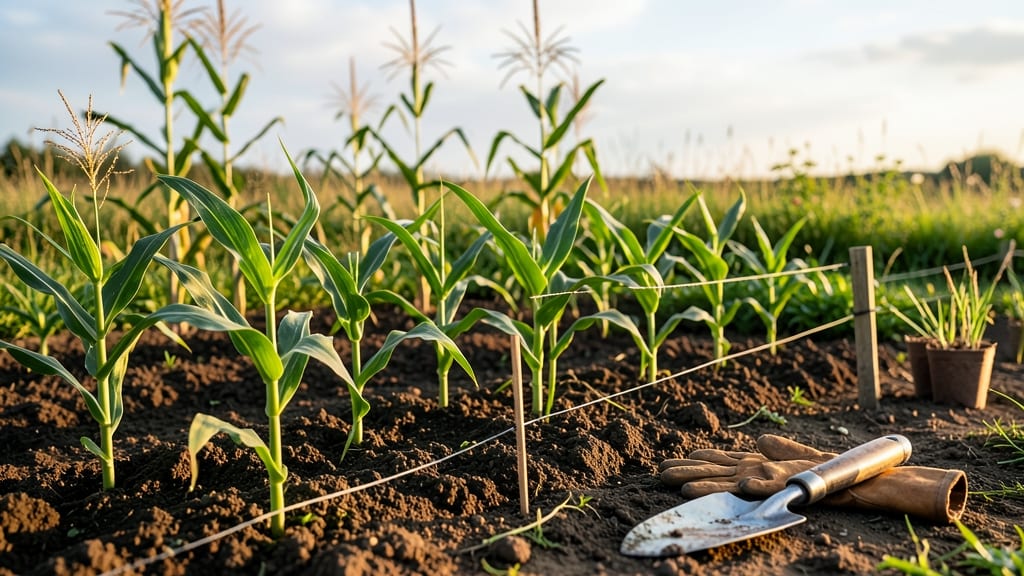
Timing your corn planting in South Carolina isn't just about following a calendar—it's about beating the last frost while giving your 🌽 enough warm days to mature. Plant too early, and a late frost could wipe out your crop; too late, and you might miss the harvest window entirely.
With USDA zones 7b-8a, South Carolina offers a generous growing season, but regional microclimates mean planting dates can vary by weeks between Charleston and Greenville.
The key is knowing when soil temperatures hit 60°F—not just the air temperature—and aligning your variety (sweet, field, or popcorn) with your local frost-free deadline.
In this guide, I’ll break down the exact planting windows by county, share soil prep secrets to accelerate growth, and reveal how to stretch your harvest with succession planting. Whether you're a backyard gardener or a small-scale farmer, these insights will help you maximize your corn yield—without the guesswork.
Ready to turn your garden into a corn patch? Let’s dive into the frost-free deadlines and planting strategies that actually work for South Carolina’s climate.
South Carolina corn planting dates by county: frost-free deadlines and last safe planting windows
South Carolina’s diverse climate zones mean corn planting dates vary dramatically from the Upstate mountains to the Coastal Lowcountry.
Understanding your last frost date and heat tolerance of your corn variety is critical—plant too early, and a late frost will kill tender seedlings; too late, and your harvest window shrinks.
Let’s break down the optimal planting windows by region so you can time your corn perfectly for maximum yield.
Most of South Carolina falls within USDA Zones 7b-8a, but microclimates create 10-14 day differences in frost-free dates. For example, Greenville County typically sees its last frost around March 25, while Charleston County averages March 10.
These differences matter because corn seeds won’t germinate below 60°F soil temperature, and seedlings are highly frost-sensitive.
Below is a county-by-county summary of frost-free deadlines and last safe planting windows. Use this as your guide to align your planting schedule with local conditions—whether you’re growing sweet corn, field corn, or popcorn.
For early-maturing varieties (60-75 days to harvest), you have a slightly wider window, while late-maturing varieties (90+ days) require earlier planting.
🌽
| County | Last Frost Date | Safe Planting Window | Heat Tolerance Note |
|---|---|---|---|
| Greenville | March 25 | April 15–May 1 | Moderate—watch for late frosts |
| Charleston | March 10 | March 20–April 15 | High—humidity speeds growth |
| Spartanburg | March 20 | April 1–April 15 | Moderate—soil warms slower |
| Florence | March 5 | March 15–April 10 | High—longer growing season |
| Anderson | March 22 | April 10–April 25 | Low—shorter season |
| Beaufort | March 8 | March 15–April 5 | Very High—humid heat |
For Upstate counties like Greenville and Spartanburg, aim to plant after April 1 to avoid late frosts. These areas benefit from early-maturing varieties (e.g., ‘Silver Queen’ or ‘Peaches and Cream’) to ensure a harvest before the first frost in November.
Meanwhile, Coastal counties like Charleston and Beaufort can start as early as mid-March thanks to their warmer microclimates.
If you’re in a transition zone (e.g., Lexington or Rock Hill), consider using a soil thermometer to confirm the ground has reached 60°F before planting. Corn seeds won’t germinate in cooler soil, and waiting ensures stronger, healthier plants.
For urban gardeners, heat islands can push your planting window 1-2 weeks earlier—just be mindful of drought stress in paved areas.
Pro tip: Use row covers to extend your planting window by 2-3 weeks in cooler regions. These lightweight fabrics protect seedlings from light frosts (down to 28°F) and can buy you extra time if you’re pushing the limits of your local frost-free date.
Just remove them once plants are 6 inches tall to avoid overheating.
🌡️
For succession planting, plan to sow new seeds every 2 weeks after your initial planting date. This ensures a continuous harvest throughout the summer. For example, if you plant your first batch on April 15, follow up with additional plantings on May 1 and May 15 to keep ears coming in until October. This strategy works especially well for s
How to adjust corn planting time for South Carolina’s microclimates and soil conditions
South Carolina’s diverse microclimates mean that planting corn in Charleston may differ by 3-4 weeks compared to Greenville. Even within a single county, elevation changes, urban heat islands, and soil types can shift your ideal planting window.
The key is soil temperature, not just air temperature—corn seeds need consistent 60°F+ soil to germinate reliably.
For example, Upstate regions like Greenville and Spartanburg often see earlier soil warming in spring due to higher elevations, while Coastal areas like Beaufort and Hilton Head may experience delayed planting because of lingering coastal breezes.
Use a soil thermometer ($10 at garden centers) to confirm readiness—planting too soon in cool soil can lead to rotten seeds or stunted growth.
Here’s how to fine-tune your planting schedule based on local conditions:
Wait until soil reaches 60°F+ at 4-inch depth. In SC, this typically aligns with mid-April to early May for most regions, but Coastal SC may need to wait until late April.
Higher elevations (e.g., Upstate) warm 1-2 weeks earlier than lowlands. If you’re above 1,000 feet, plant early-maturing varieties (e.g., Silver Queen) 7-10 days ahead of coastal schedules.
Cities like Columbia or Charleston can be 5-10°F warmer than rural areas, accelerating soil warming. Monitor local weather stations or ask Master Gardeners for neighborhood-specific advice.
Use floating row covers to plant 2-3 weeks earlier in cool microclimates. Remove covers when plants reach 6 inches tall to prevent overheating.
Coastal SC (e.g., Beaufort): Choose late-season varieties like Peaches and Cream (90-day maturity). Upstate SC (e.g., Greenville): Opt for early varieties like Bodacious (75-day maturity) to avoid early fall frosts.
Don’t overlook soil drainage—corn hates soggy roots. Amend heavy clay soils with compost or sand to improve aeration, especially in Lowcountry areas prone to spring rains. A simple percolation test (pouring water into a hole and timing drainage) can save your crop from root rot.
Pro tip: If your area has a history of late frosts (check SC State Climate Office records), plant a succession crop 2 weeks after your first planting.
This ensures a staggered harvest and reduces risk. For example, if your first batch goes in mid-April, plant a second batch in early May.
By aligning your planting with local microclimates and soil conditions, you’ll give your corn the best shot at thriving—no matter where you garden in South Carolina. 🌱