
Plants
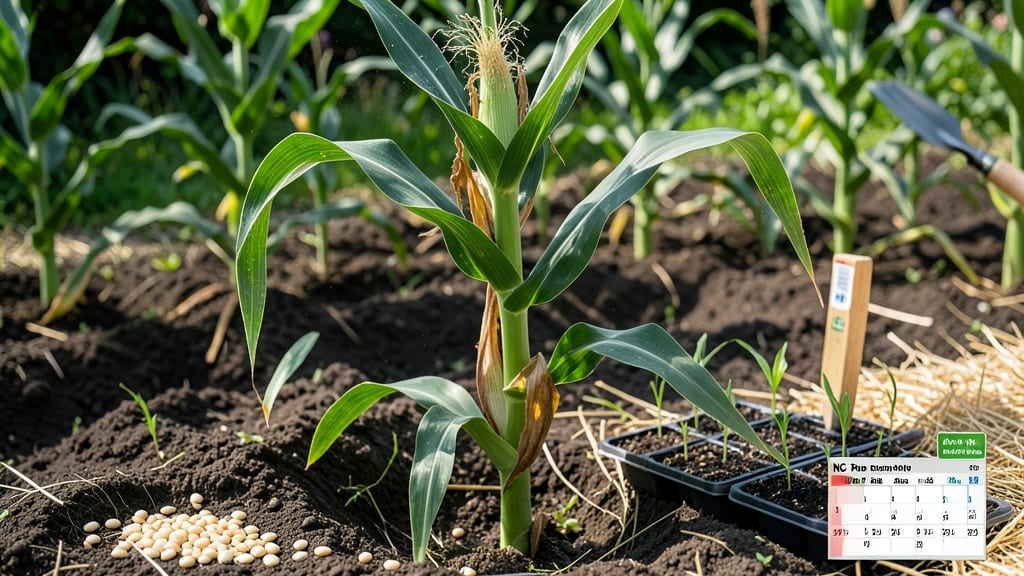
Timing your field corn planting in North Carolina could make or break your harvest—one wrong move, and you're staring at wilted 🌽 stalks before summer even kicks in.
Most gardeners in zones 7a-8b wait until mid-April to early May, but that window shifts dramatically between the coast and the mountains. Plant too early, and late frosts will zap your seedlings; too late, and heat stress shrinks your yield.
The key? Knowing your county's last frost date and soil temperature thresholds.
I'll break down exactly when to drop those seeds for peak harvests, plus how to prep your soil and pick the right varieties for your region. Whether you're a first-timer or a seasoned grower, these tips will help you avoid the most common mistakes.
Let's get your corn growing strong—no guesswork, just proven strategies for North Carolina's unpredictable spring weather.
North Carolina’s frost-free deadlines by county for planting field corn
North Carolina’s diverse climate—from coastal plains to mountain regions—means field corn planting dates vary dramatically by county. Getting the timing right ensures your 6-12-foot stalks mature before first frost (typically mid-November), avoiding stunted growth or crop loss.
Let’s break down the last frost dates and ideal planting windows for NC’s key regions.
For coastal counties (like Craven, Carteret, or Dare), the last frost usually hits March 15-25, giving you a 2-3 week earlier window than inland areas. Meanwhile, mountain counties (like Haywood or Mitchell) often see frost lingering until April 10-20, requiring later plantings.
Piedmont regions (like Mecklenburg or Wake) typically fall in between, with March 25-April 5 as the sweet spot.
Here’s how to align your planting with NC’s USDA zones (7a-8b) and regional variations:
| Region | Last Frost Date | Ideal Planting Window | Notes |
|---|---|---|---|
| Coastal (e.g., Brunswick, New Hanover) | March 15-25 | Mid-March to early April | Short season; choose fast-maturing varieties. |
| Piedmont (e.g., Wake, Mecklenburg) | March 25-April 5 | Late March to mid-April | Moderate risk of late frosts; monitor forecasts. |
| Mountains (e.g., Haywood, Mitchell) | April 10-20 | Early to mid-April | Longer growing season; can extend to late April. |
🌽 Pro Tip: Use NC State Extension’s frost maps for your specific county.
If you’re in a transition zone (like the Sandhills or foothills), err on the side of later planting—a late-March start could still risk frost damage.
For coastal gardeners, aim to plant by April 1 to ensure 90-day maturity before frost. In the mountains, you have until April 15 safely.
For maximum yield, align your planting with soil temperatures of 50°F+ (we’ll dive deeper into this in the next section).
Use a soil thermometer to confirm—cold soil slows germination, even if air temps seem warm. Direct sowing is the gold standard for field corn; transplants rarely thrive due to their delicate root systems.
One common mistake? Planting too early in cooler microclimates (like valleys or shaded areas). If your soil stays below 55°F for more than a week after planting, seeds may rot. Conversely, delaying past mid-April in coastal areas risks heat stress during pollination, reducing ear formation.
For high-altitude counties (above 3,000 ft), like Macon or Swain, push planting to late April—these areas often have 10-14 days shorter growing seasons than the Piedmont. Check your USDA zone and adjust accordingly: Zone 7a (mountains) vs. Zone 8b (coastal).
Remember: Field corn needs 90-120 days to reach harvest, so count backward from your first frost date. For example, if frost hits November 1 in your area, aim to plant by July 20 for a 90-day variety.
Use this rule to customize your schedule—whether you’re growing for silage, grain, or livestock feed.
🌱 Key Takeaway: Coastal NC = March-April, Piedmont = late March-mid April, Mountains = April. Always verify with local agricultural extensions for hyper-local advice!
How soil temperature and weather affect field corn planting success in NC
Field corn thrives when planted in warm soil, but cooler temperatures can stall germination. In North Carolina, soil must reach at least 50°F (10°C) for seeds to sprout consistently.
However, ideal germination temperatures hover around 60-65°F (15-18°C), which is why I always wait until late April or early May in most regions.
Coastal areas like Wilmington or Morehead City can plant slightly earlier—around mid-April—because their warmer microclimates reach optimal soil temps faster. Meanwhile, the mountains (Asheville, Boone) may need to wait until early May due to lingering cool nights and slower soil warming.
🌡️ Soil temperature is more critical than air temperature. Use a soil thermometer to verify readiness—planting too early in cool soil leads to rotten seeds or weak seedlings that struggle to emerge.
Another key factor is heat tolerance. Field corn handles high temperatures well but can suffer if planted too late, leaving ears to develop during NC’s brutal summer heat. Late-planted corn may also face drought stress before reaching maturity, so I prioritize early-to-mid season planting for most varieties.
🌧️ Rainfall patterns matter too. Too much rain after planting can cause soil compaction or seed rot, while droughts during tasseling (flowering stage) reduce pollination. I always monitor 7-day forecasts before sowing to avoid planting during predicted downpours.
Here’s how to adjust for NC’s three distinct regions:
Warning: Late Planting Risks
Planting after May 15 in most of NC increases risks of:
- Stunted growth from heat stress
- Poor ear fill due to drought
- Earlier frost damage if harvest is delayed
Mountain regions (USDA zones 6b-7a) have shorter growing seasons—stick to early May planting for most varieties.
For coastal NC (zones 8a-8b), I often push planting to late April because the longer frost-free season (210+ days) allows for later harvests.
In Piedmont (zones 7a-7b), aim for mid-April to early May, while mountain zones (6b-7a) should plant no later than early May to ensure maturity before frost.
Pro tip: Use black plastic mulch to warm soil faster in cooler regions. This can shave 1-2 weeks off your planting timeline by raising soil temps by 5-10°F—a game-changer for short-season areas like the mountains.