
Plants
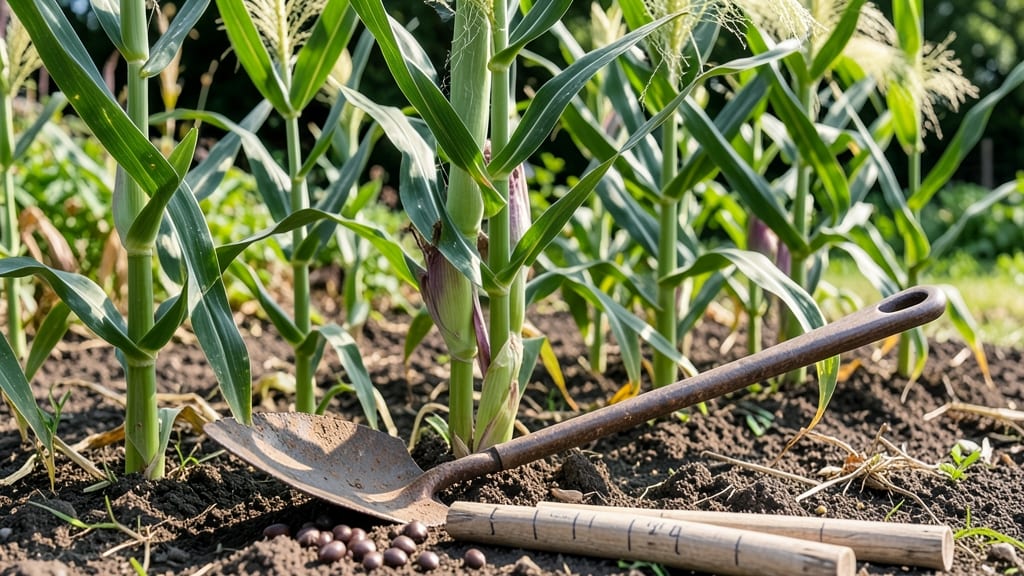
Timing your corn planting in Washington State can mean the difference between a bountiful harvest and wasted effort—especially with the region's unpredictable frost patterns and diverse microclimates.
If you're dreaming of golden 🌽 ears this summer, knowing the exact window to plant is critical. Washington's USDA zones 6b-7b offer a 60-day range for planting, but getting it wrong could leave you with stunted plants or worse.
The key? Waiting until after the last frost—typically mid-April to early June—and ensuring soil temperatures hit at least 60°F.
Sweet corn, the most popular variety in the state, thrives when planted between late April and early May in Western Washington, while Eastern regions can push planting slightly later.
But here's the catch: microclimates matter. Coastal areas like the Puget Sound may have earlier frost-free dates, while inland spots like the Columbia Basin can extend your window.
I'll break down the zone-specific deadlines, share soil prep secrets, and reveal how to adjust for your exact location—so you can grow corn that's taller than a basketball hoop and ready to harvest by summer's end.
Washington State corn planting deadlines by USDA hardiness Zone
Washington State spans USDA Zones 5b through 9a, but most gardeners focus on Zones 6b-7b for corn cultivation. The state’s diverse microclimates mean planting deadlines vary dramatically—from mid-April in the Columbia Basin to early June in the Puget Sound.
Corn thrives with 150-200 frost-free days, so timing is critical to avoid frost damage or stunted growth.
Sweet corn, the most popular variety in WA, needs 75-120 days to mature. Field corn and popcorn varieties require 90-150 days, making early planting essential in cooler zones.
Always check last frost dates from the WSU Extension or local agricultural reports, as they can shift yearly due to climate variability.
| USDA Zone | Last Frost Date | Ideal Planting Window | Heat Units Needed | Recommended Varieties |
|---|---|---|---|---|
| 5b-6a (North WA, Mountains) | May 15-20 | Late May - Early June | 2,000-2,500 | Early Sunglow, Golden Bantam |
| 6b-7a (Puget Sound, Western WA) | April 25 - May 10 | Mid-April - Late May | 1,800-2,200 | Silver Queen, Honey & Pearl |
| 7b-8a (Columbia Basin, Eastern WA) | April 10 - April 25 | Mid-April - Early May | 1,500-1,900 | Peaches & Cream, Bodacious |
| 8b-9a (Yakima Valley, Southern WA) | March 20 - April 5 | Late March - Mid-April | 1,200-1,600 | Ambrosia, Country Gentleman |
For Zone 6b-7a, which covers most of Western WA, aim to plant 2 weeks after your last frost date. Soil temperature should reach 60°F at a depth of 4 inches—use a soil thermometer to confirm.
In Zones 8b-9a, you can start as early as late March, but avoid planting before March 20 to prevent cold soil from slowing germination.
Corn is sensitive to late spring frosts, which can kill young seedlings. In Zone 5b-6a, consider using row covers or planting near windbreaks to protect tender shoots. If frost threatens after planting, cover seedlings with lightweight row fabric until temperatures rise above 32°F.
Washington’s elevation changes also affect planting. At higher elevations (e.g., Mount Rainier foothills), plant 2-3 weeks later than lowland areas. Conversely, the Columbia Basin can support earlier plantings due to its longer growing season and warmer nights.
Choose early-maturing varieties for Zone 6b and cooler, as they can complete their life cycle before first frost in October. In Zones 7b-9a, you can experiment with longer-season varieties like Bodacious or Peaches & Cream, which yield larger ears but require more heat units.
Always account for 10-14 days of buffer time between your last frost date and planting. This accounts for unpredictable weather shifts common in WA’s marine-influenced climates. For example, a Puget Sound garden might see frost as late as May 10, so planting before May 25 risks frost damage.
Use WSU Extension’s Frost Probability Tool to refine your timeline. Input your exact location and historical frost data to generate a personalized planting window. This tool adjusts for local microclimates, such as urban heat islands or sheltered valleys, which can shift frost dates by 1-2 weeks.
If you’re growing field corn or popcorn, extend your planting window by 2-3 weeks since these varieties tolerate cooler soils better than sweet corn. However, they require more heat units overall, so prioritize southern exposures and well-draining soils to maximize growth.
Pro tip: Plant in blocks, not rows, to ensure cross-pollination and better ear development. For home gardens, a 4x4 foot
How to adjust planting dates for washington’s microclimates
Washington State’s diverse geography means your corn planting timeline should depend on where you live. The Puget Sound region, for example, has milder winters and earlier frost-free dates, while the Columbia Basin experiences hotter, drier summers that can push planting later.
Even within cities, elevation changes can shift your last frost date by weeks.
For Western Washington (including Seattle, Bellingham, and Olympia), aim to plant between late April and mid-May. Coastal areas like the San Juan Islands may even see safe planting as early as early April, but verify with local frost data.
In contrast, Eastern Washington (Spokane, Wenatchee, Yakima) can delay planting until mid-May to early June thanks to later frost risks and hotter summers.
Here’s how to fine-tune your schedule: Check soil temperatures daily using a soil thermometer—corn needs 60°F soil to germinate. In cooler microclimates, use black plastic mulch to warm the soil faster. For high-elevation areas (like the Cascades foothills), plant earlier varieties (60-day maturity) to avoid late-season frost.
The Columbia Basin’s irrigated fields often allow for later planting (up to June 1), but home gardeners should stick to mid-May to avoid drought stress. If you’re near water sources (like the Yakima River), you can push planting slightly later, but ensure consistent 1-1.5 inches of water weekly.
Pro tip: Use the Washington State University Extension’s frost calendar (link in resources) to pinpoint your exact frost-free window. For example, Moses Lake’s last frost is May 10, while Port Townsend’s is April 15—a 25-day difference that matters for your harvest.
🌱
- 📅 Puget Sound: Plant April 15–May 10 (soil >60°F). Use row covers for early starts.
- 🏔️ Cascade Foothills: Delay until May 1–15; choose short-season varieties (e.g., 'Ambrosia').
- 🌡️ Columbia Basin: Plant May 15–June 1; irrigate deeply to prevent drought stress.
- 🌊 Coastal Areas: Start as early as March 30 if soil is workable (risk of cold soils).
- ⚠️ All Regions: Avoid planting after June 15—ears won’t mature before frost.
If you’re unsure about your microclimate, observe nearby gardens: when do their corn plants emerge? That’s your local cue. For container growing, start seeds indoors 4–6 weeks before your outdoor planting date, but transition seedlings outdoors only after the last frost—corn is not frost-tolerant at any stage.
🌿