
Planting
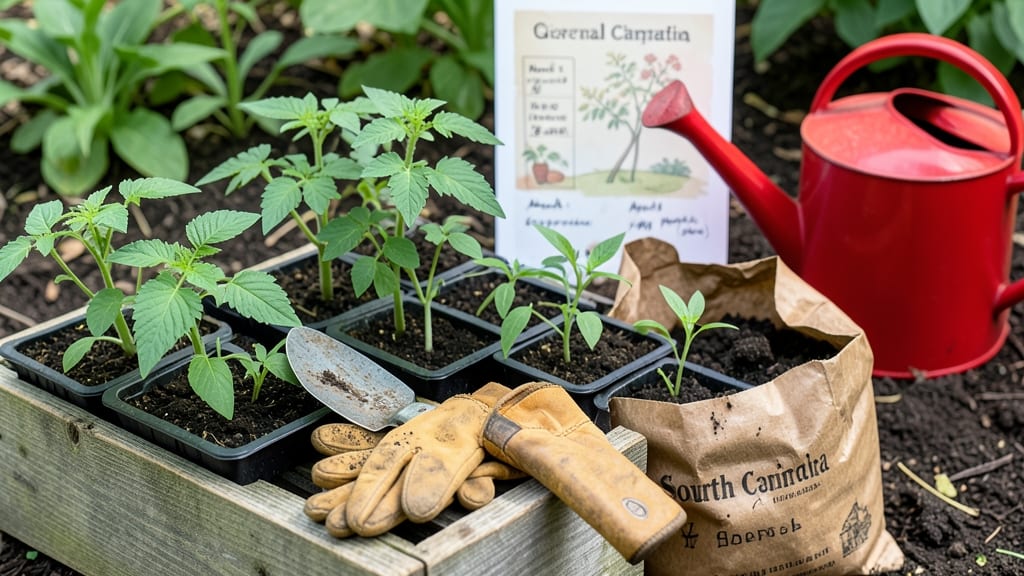
Timing your General Garden Planting in South Carolina can make or break your harvest—plant too early, and frost zaps your seedlings; too late, and summer heat stunts growth.
With USDA zones 7b-8a offering 200-240 frost-free days, knowing the ideal windows (late February through April and August-September) is the key to thriving 🌱 greens, juicy tomatoes, and fragrant herbs.
If you’ve ever watched your carefully nurtured seedlings wilt overnight or struggled to coax stubborn crops to maturity, you’re not alone. The secret lies in aligning your planting schedule with South Carolina’s unique microclimates—where Charleston’s coastal breezes create earlier opportunities than Greenville’s inland heat.
Let’s break down the exact frost-free deadlines by county so you can plant with confidence.
From cool-season staples like spinach and peas to heat-loving favorites like okra and peppers, each crop has its own rhythm. I’ll show you how to prepare your soil, time your seeds, and adjust for those pesky late frosts or early heat waves that can throw off even the best-laid plans.
Ready to transform your garden from a gamble into a guaranteed success? By the end, you’ll know exactly when to tuck seeds into the earth for maximum yields—and which tricks local gardeners swear by to beat the climate. Let’s get growing!
South Carolina’s frost-free deadlines by county: exact planting windows for vegetables and flowers
South Carolina’s diverse climate means frost dates vary dramatically between the Upstate mountains and Lowcountry coast. In Charleston, you can plant warm-season crops like tomatoes and peppers as early as late February, while Greenville gardeners wait until mid-March to avoid frost damage.
Understanding these county-specific deadlines ensures your vegetable garden thrives year-round.
For cool-season crops like broccoli and spinach, timing is equally critical. Plant these 4-6 weeks before your average last frost date, which ranges from February 15 in the Lowcountry to March 15 in the Upstate. This window gives seedlings enough time to establish roots before warm weather arrives.
The USDA hardiness zones in South Carolina span from 7b to 8a, but microclimates—like urban heat islands or sheltered valleys—can shift planting times by 1-2 weeks. Always check your local frost data from sources like the SC State Climatology Office for the most accurate guidance.
| County | Last Frost Date | First Frost Date | Warm-Season Planting Window | Cool-Season Planting Window |
|---|---|---|---|---|
| Charleston | Late February | Mid-November | March 1 - April 15 | August 1 - September 15 |
| Greenville | Mid-March | Late October | April 1 - May 1 | July 15 - August 30 |
| Columbia | Early March | Early November | March 15 - April 30 | July 1 - August 15 |
| Spartanburg | Mid-March | Late October | April 1 - May 1 | July 15 - August 30 |
| Myrtle Beach | Late February | Mid-November | March 1 - April 15 | August 1 - September 15 |
Warm-season crops like tomatoes, peppers, and squash need soil temperatures above 60°F to germinate. Use a soil thermometer to confirm readiness—especially in Upstate areas where cooler nights delay warming.
For fall planting, aim to sow seeds 8-10 weeks before your first frost date to ensure harvests before winter sets in.
Cool-season crops such as lettuce, kale, and carrots can handle light frosts and often taste sweeter after exposure to cool temperatures. In the Lowcountry, you can plant these as early as September for a winter harvest, while Upstate gardeners should wait until late August to avoid early frost.
Don’t forget about perennial plants like asparagus and berries, which benefit from being planted in early spring (March-April) when soil is workable but not waterlogged. These long-lived crops establish deeper roots with cooler soil temperatures, setting them up for years of productivity.
For container gardening, you can extend your planting season by 1-2 weeks in both spring and fall. Pots warm up faster in sunny locations and cool down quicker in shade, giving you more flexibility with transplanting dates.
Just ensure containers have drainage holes to prevent root rot in South Carolina’s humid climate.
Always monitor weather forecasts in the days leading up to your planting date. A late frost warning can ruin weeks of preparation, so
How to adjust planting times for South Carolina’s microclimates and soil conditions
South Carolina’s diverse geography creates unique microclimates that can shift planting windows by weeks. The Upstate (Greenville, Spartanburg) often sees frost 2-3 weeks earlier than the Lowcountry (Charleston, Hilton Head), while coastal areas enjoy longer growing seasons thanks to moderating ocean breezes.
Even within 50 miles, soil types—sandy coastal soils vs. clay-rich Piedmont—demand different prep strategies.
For example, tomatoes and peppers thrive in Upstate’s warmer April soil (60°F+) but may bolt in Lowcountry’s hotter May conditions. Meanwhile, cool-season crops like kale can handle Upstate’s March chill but risk frost damage in coastal areas if planted too early.
Adjusting for these variations means checking local frost data and amending soil 4-6 weeks before planting.
Sandy soils in coastal regions drain too quickly for moisture-loving crops like cucumbers or lettuce, while clay soils in the Midlands compact easily, suffocating roots.
Test your soil’s pH (6.0-7.0 ideal) and amend with compost or organic matter to improve water retention. Mulching with pine straw or leaves helps regulate soil temps and reduces weeds—critical in South Carolina’s humid summers.
Extend your season with row covers or cold frames for early spring/fall plantings. These protect tender seedlings from late frosts (common in Upstate) or heat spikes (common in Lowcountry).
For example, broccoli can be planted in late August in Charleston with row covers, while Upstate gardeners might wait until September 15th to avoid early frost.
Choose heat-tolerant varieties for Lowcountry gardens—like ‘Celebrity’ tomatoes or ‘Malaga’ okra—while Upstate gardeners can opt for earlier-maturing varieties such as ‘Early Girl’ tomatoes. Always check seed packets for days to maturity and align planting with your first frost date.
For instance, a 60-day tomato planted in mid-April Upstate will harvest just before frost, while a late May Lowcountry planting risks bolting.
Monitor humidity levels too—South Carolina’s high humidity (especially in summer) increases fungal risks like powdery mildew. Space plants properly for air circulation and water deeply in the morning to reduce disease pressure. With these adjustments, you’ll maximize your garden’s potential regardless of where you live in the Palmetto State.