
Plants
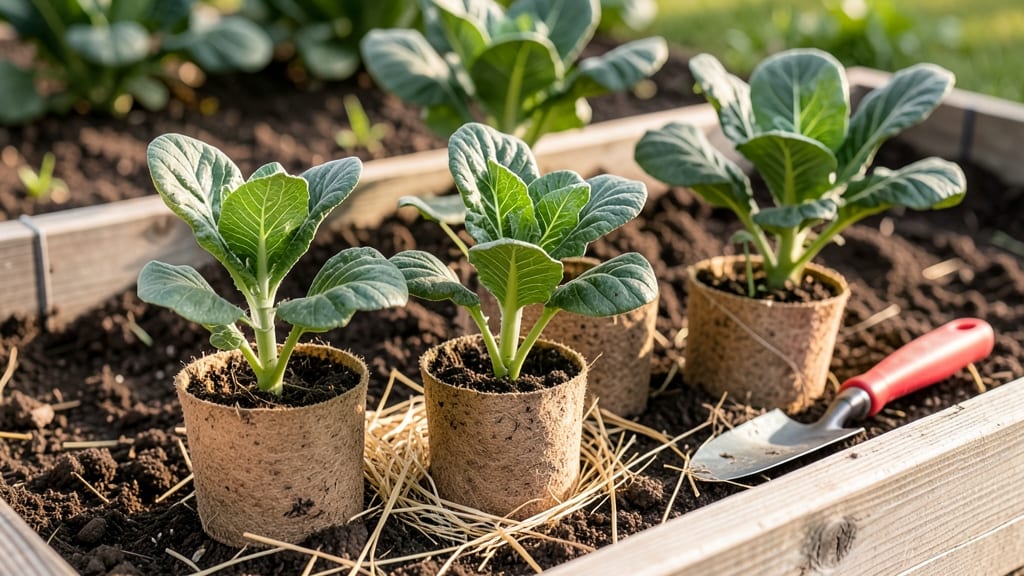
Planting collards in North Carolina at the wrong time can turn your 🥬 harvest into bitter disappointment—but timing it right means tender, flavorful greens all season long. With USDA zones 7a-8b offering two prime windows, knowing when to plant is the secret to avoiding stunted growth or early bolting.
Most gardeners in North Carolina focus on the spring window (March-April), but fall planting (August-September) often yields sweeter leaves when temperatures dip. The key lies in soil warmth—collards thrive when temps hit 50°F+, making early spring and late summer the sweet spots before summer heat sets in.
If you're aiming for a continuous supply, succession planting every 2-3 weeks during these windows ensures you'll have fresh collards from May through November. And don't worry about frost—these cold-hardy greens can handle light freezes, extending your harvest well into fall.
Ready to grow collards that taste like they came straight from a Southern kitchen? Let's break down the exact planting schedule for your zone, plus pro tips to maximize your yield without the guesswork.
North Carolina collard planting calendar by USDA Zone: frost dates and optimal windows
North Carolina spans USDA zones 7a-8b, giving gardeners two prime windows to plant collards: early spring and late summer/fall. The key is avoiding heat stress in summer and frost damage in winter.
For spring planting, aim for 4-6 weeks before your last frost date—typically mid-March to early April in most of the state.
For fall planting, collards thrive when soil temps drop below 85°F, making late August to early September ideal. This timing ensures mature plants before first frost, which usually hits mid-November in zone 7a and late November in zone 8b.
Coastal areas like Wilmington may enjoy 2-3 extra weeks of growth compared to the mountains.
Here’s how your USDA zone impacts planting timing:
| USDA Zone | Spring Planting Window | Fall Planting Window | Last Frost Date | First Frost Date |
|---|---|---|---|---|
| 7a (Mountains) | March 15–April 1 | August 15–September 1 | April 15 | November 10 |
| 7b (Piedmont) | March 20–April 5 | August 20–September 5 | April 20 | November 15 |
| 8a (Coastal) | March 25–April 10 | August 25–September 10 | April 25 | November 20 |
| 8b (Southern) | March 30–April 15 | September 1–15 | May 1 | November 25 |
Direct sowing is easiest for spring collards, but transplants give you a head start. Start seeds indoors 6-8 weeks before your last frost if you prefer this method.
For fall planting, transplants are your best bet—you’ll need mature plants to withstand light frosts (down to 20°F) without bolting.
Pro tip: Use row covers in late fall to extend harvests into December in warmer zones (7b-8b). This works especially well for cold-hardy varieties like 'Georgia Southern' or 'Top Bunch'. Just remove covers during the day to prevent overheating.
If you’re in zone 7a, prioritize fall planting—spring crops may struggle with late-season heat. In zone 8b, you can even try a winter crop by planting in October and harvesting through January with protection.
For succession planting, sow new seeds every 2-3 weeks in spring or fall to ensure a continuous harvest. This is especially useful in zone 8b, where the growing season stretches longer. Just stop 6-8 weeks before your first frost to allow time for maturity.
Always check your local frost dates—they can vary by 1-2 weeks depending on elevation and microclimates. For example, Asheville (7a) may frost earlier than Raleigh (7b) or Wilmington (8a). Use the NC State Extension’s frost calculator for precise timing.
Remember: Collards hate heat. Planting in late summer (after August 15) risks bolting (premature flowering). Stick to the fall window for the best flavor and yield.
3 Critical factors that determine your collard planting success in NC
North Carolina’s diverse microclimates mean your collard planting success hinges on three key factors beyond just frost dates. First, soil temperature must reach 50°F (10°C) for seeds to germinate—waiting for this threshold avoids stunted seedlings.
In Zone 7a, this often means mid-March planting, while Zone 8b gardeners can start as early as late February.
Second, heat tolerance limits your window. Collards bolt (go to seed) when temps exceed 85°F (29°C) for extended periods. In coastal NC (Zone 8a), this means avoiding summer planting entirely—focus on early spring or fall instead.
Mountain regions (Zone 7a) have more flexibility but still risk bolting in late June.
Third, regional frost patterns vary wildly. While Raleigh (Zone 7b) averages its last frost on March 15, Asheville (Zone 7a) can see frost until April 1. Use your local Cooperative Extension Service frost maps to adjust planting dates by 1-2 weeks if you’re in a cooler pocket.
Soil Temperature
Wait for 50°F+ soil—use a soil thermometer to avoid slow germination. In Zone 8b, this is often 2-3 weeks earlier than Zone 7a.
Heat Tolerance
Avoid planting when nighttime temps exceed 75°F. In coastal NC, this means no summer sowing—opt for August for fall crops instead.
Frost Variations
Adjust by 1-2 weeks if you’re in a mountain valley (colder) or coastal plain (warmer). Check NC State Climate Office for your exact last-frost date.
For example, if you’re in Charlotte (Zone 7b), aim for March 1-15 for spring collards—soil temps hit 50°F reliably by then.
But if you’re in Wilmington (Zone 8a), you can start February 20-March 5 without risking frost. Fall planting follows the reverse logic: Zone 7a gardeners sow by August 15, while Zone 8b can extend to September 1.
Pro tip: Use black plastic mulch to warm soil faster in early spring, shaving 10-14 days off your planting timeline. This is especially helpful in Zone 7a where cold snaps linger. Just remove it once soil temps stabilize above 60°F (15°C) to prevent overheating.
Finally, don’t overlook succession planting. In Zone 8b, you can squeeze in two fall crops: one in early August and another in mid-September. The second batch matures just as winter sets in, giving you harvests through December if you use frost cloth.