
Plants
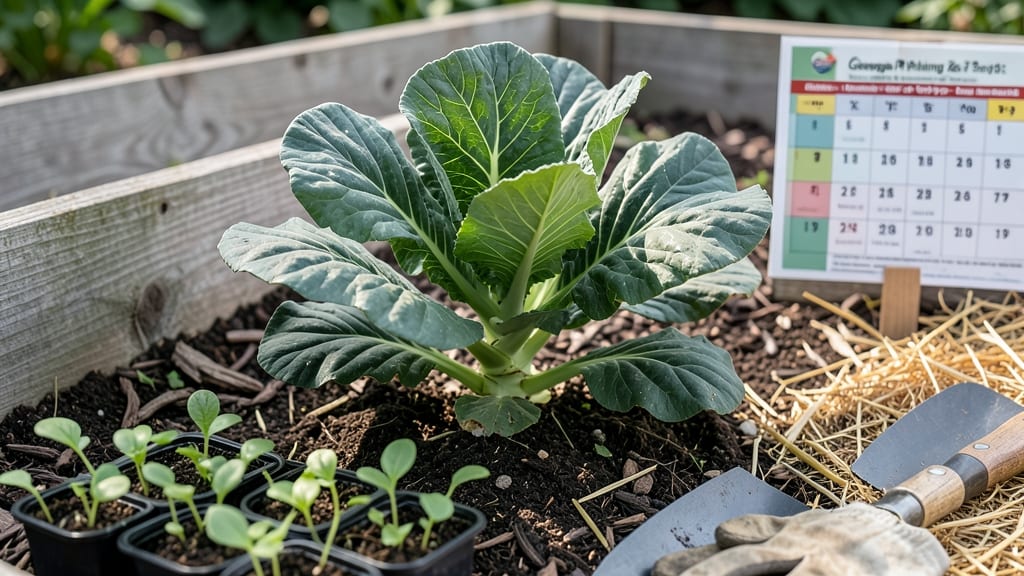
If you're dreaming of a steady supply of homegrown 🥬 collards but aren't sure when to plant them in Georgia, timing is everything. Planting too early risks frost damage, while waiting too long might mean bitter leaves or missed harvests.
Georgia's unique zones—from 7b to 9a—create distinct frost-free windows that can make or break your collard success.
For most Georgia gardeners, the sweet spot is between late February and early April for spring planting, or August to early September for a fall crop.
These windows align perfectly with the state's average last frost dates, giving your collards the 60-day growing season they need to thrive before winter sets in. But here's the catch: your exact zone matters, and even a few weeks can mean the difference between tender greens and tough, woody leaves.
In this guide, I'll break down the exact planting dates for each Georgia hardiness zone, including how to adjust for microclimates like coastal humidity or mountain chill.
You'll also discover common mistakes Georgia gardeners make—and how to avoid them—so you can enjoy fresh collards straight from your garden all season long.
Ready to grow collards that taste better than store-bought? Let's dive into the perfect planting schedule tailored just for your corner of Georgia.
Georgia collard planting dates by hardiness Zone (7a-8b) with exact months
Georgia’s USDA hardiness zones 7a-8b create perfect conditions for growing collards year-round, but timing is everything. Plant too early, and frost will damage tender seedlings; too late, and you’ll miss the optimal harvest window.
Here’s the exact frost-free planting schedule tailored for each zone to ensure sweet, tender greens from spring through winter.
Most Georgia gardeners focus on two planting windows: spring (for summer harvests) and fall (for winter harvests). The key is planting 4-6 weeks before your last frost date for spring crops and 8-10 weeks before first frost for fall crops.
Coastal areas (Zone 8a-8b) can even plant year-round with minimal risk.
Below is your zone-specific planting calendar, including exact months, frost dates, and ideal transplant windows. Use this as your guide to avoid common mistakes like bitter greens from heat stress or stunted growth from early frost.
| Zone | Last Frost Date | First Frost Date | Spring Planting Window | Fall Planting Window | Harvest Window |
|---|---|---|---|---|---|
| 7a (North GA) | March 15 | November 15 | Late February - Early April | August 1 - September 1 | May-June, Oct-Nov |
| 7b (Central GA) | March 1 | November 1 | Late January - Early April | July 15 - August 15 | April-June, Sept-Nov |
| 8a (South GA) | February 15 | October 31 | January - March | June 15 - August 1 | March-May, Aug-Nov |
| 8b (Coastal GA) | January 31 | October 15 | December - February | May 15 - July 15 | Feb-April, July-Nov |
🌱 Pro Tip: Coastal gardeners can plant collards year-round with minimal frost risk.
For spring planting, start seeds indoors 6-8 weeks before your last frost date to give seedlings a head start. In Zone 7a, this means sowing seeds by mid-January, while Zone 8b gardeners can wait until late December.
Transplant seedlings outdoors 2-3 weeks before last frost to harden them off gradually.
Fall planting is trickier but rewarding. Aim to transplant 8-10 weeks before first frost to ensure mature plants before winter chill sets in. In Zone 7a, this means August 1 is your deadline, while Zone 8b can extend planting until early September.
Use row covers in late fall to protect tender leaves from unexpected frost.
If you’re in Zone 8a or 8b, you can even plant succession crops every 2-3 weeks from spring through fall for a continuous harvest. This works especially well in coastal areas where frost is rare.
Just be mindful of heat stress—collards bolt (go to seed) quickly in temperatures above 85°F, so provide afternoon shade in summer.
One mistake I see often is planting fall collards too late. If you miss the August-September window, your plants won’t mature before frost, leaving you with small, bitter leaves. To fix this, use fast-maturing varieties like ‘Georgia Southern’ or ‘Top Bunch’, which reach harvest in 45-50
How to adjust collard planting for Georgia’s microclimates (coastal vs Piedmont vs mountains)
Georgia’s diverse geography means your collard planting schedule should change based on whether you’re in the humid coastal plains, the hot Piedmont region, or the cooler mountain areas. Each microclimate has unique frost patterns, soil conditions, and pest pressures that can make or break your harvest if ignored.
For example, coastal Georgia (Zone 8a-9a) has milder winters and longer growing seasons, while mountain regions (Zone 7a-7b) face earlier frosts and shorter summers. Even within the same zone, elevation changes of just 500 feet can shift your frost dates by weeks.
Understanding these differences lets you fine-tune your planting for maximum success.
Let’s break down the key adjustments for each region, including when to plant, how to protect young seedlings, and when to expect your first harvest. These tweaks can mean the difference between tender greens and bitter, stunted plants.
| Region | Zone | Spring Planting Window | Fall Planting Window | Key Adjustments |
|---|---|---|---|---|
| Coastal (Savannah, Brunswick) | 8a-9a | Late Feb - Early March | Late Aug - Mid-Sept | Plant earlier; use shade cloth for seedlings in summer heat |
| Piedmont (Athens, Macon) | 7b-8a | Mid-March - Early April | Early Sept - Early Oct | Watch for bolting in summer; mulch to retain moisture |
| Mountains (Blue Ridge, Dahlonega) | 7a-7b | Early April - Mid-April | Mid-Sept - Late Sept | Plant later; use row covers for early frosts |
In coastal Georgia, you can often start collards as early as late February because the ground warms faster and frosts are rare. However, summer heat can stress young plants, so I recommend using shade cloth during the hottest months to protect seedlings.
For a fall crop, aim for late August to ensure your collards mature before the first frost in early November.
If you’re in the Piedmont region, wait until mid-March to plant, as cooler nights can damage tender seedlings. This area’s hot summers can also cause collards to bolt prematurely, so I suggest planting in partial shade during June and July.
For fall, start seeds in early September to harvest before the first frost hits in mid-November.
For mountain gardeners, patience is key—wait until early April to plant, as late frosts are common. Use row covers or cold frames to extend your growing season, and plant your fall crop no later than mid-September to avoid frost damage.
These adjustments ensure your collards thrive despite the shorter growing season.
No matter your region, always monitor local weather forecasts and adjust your planting dates by 1-2 weeks if needed. A little flexibility goes a long way in Georgia’s unpredictable climate!