
Plants
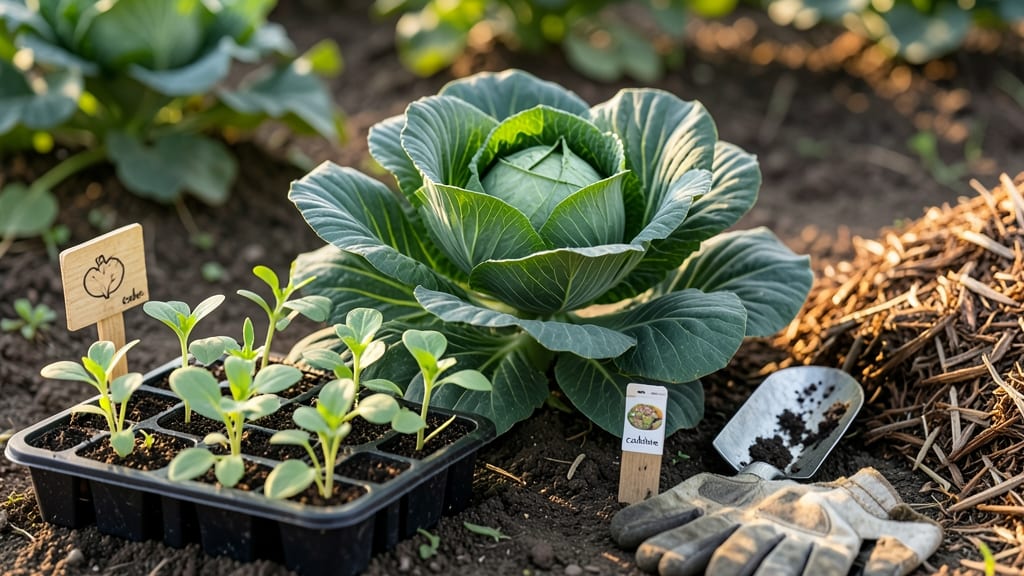
If you've ever planted 🥬 cabbage in North Carolina only to watch it bolt into bitter flowers before forming a proper head, you're not alone.
The key to avoiding this frustrating gardening setback lies in understanding when to plant your cabbage—because timing isn't just about seasons, it's about matching your variety to North Carolina's unique climate zones.
North Carolina's 7a-8b zones create a delicate balance between warm springs and hot summers that can push cabbage into early bolting. Whether you're in the cooler mountains or the warmer Piedmont, planting too early risks frost damage, while planting too late risks heat stress.
The solution? A strategic approach that aligns with your specific microclimate and variety.
In this guide, I'll walk you through the exact planting windows for both spring and fall crops, including how to prepare your soil and when to start seeds indoors for maximum success.
You'll discover which cabbage varieties thrive best in NC's heat and how to extend your growing season with simple techniques that protect your plants from bolting.
Ready to grow heads of cabbage that stay sweet and compact? Let's dive into the zone-specific deadlines that will transform your North Carolina garden from hit-or-miss to consistently delicious harvests.
North Carolina cabbage planting calendar by USDA Zone: exact dates to avoid bolting
North Carolina spans USDA Zones 5b through 8b, meaning frost dates and planting windows vary dramatically from the mountains to the coast. In Zone 5b (western NC), your last frost typically arrives around March 20-25, while Zone 8b (coastal areas) sees frost as late as November 20.
These differences mean your planting schedule must adapt—or risk bolting or frost damage.
For spring cabbage, I recommend starting seeds 6-8 weeks before your last frost date. In Zone 7a (central NC), that means sowing indoors by February 1-15 and transplanting outdoors by March 15-30.
In Zone 8a (eastern NC), you can start as late as March 1-15 for outdoor planting.
Fall cabbage is trickier—plant too late, and heat stress triggers bolting. Aim to sow seeds 8-10 weeks before your first frost. In Zone 6a (foothills), that’s July 1-15 for transplanting by August 15.
Coastal Zone 8b gardeners can extend this window to August 15-30 for a late fall harvest.
Here’s how to avoid common mistakes: Never plant cabbage seeds directly outdoors in spring—they’ll rot in cold soil. Instead, start indoors under grow lights or use a seedling heat mat to speed germination. For fall, prioritize heat-tolerant varieties like ‘Golden Acre’ to delay bolting.
Soil temperature is critical. Cabbage roots struggle below 50°F, so wait until soil warms to at least 55°F before transplanting. Use a soil thermometer to check—especially in Zone 5b, where cool springs delay planting by weeks.
North Carolina Cabbage Planting Calendar by USDA Zone
| USDA Zone | Last Frost Date | Spring Planting Window | Fall Planting Window | Key Tip |
|---|---|---|---|---|
| 5b (Mountains) | March 20-25 | Start seeds: Jan 15-Feb 15 Transplant: March 20-April 5 |
Start seeds: July 15-Aug 1 Transplant: Aug 15-Sept 1 |
Use row covers for early spring |
| 6a (Foothills) | March 15-20 | Start seeds: Feb 1-Mar 1 Transplant: March 15-April 10 |
Start seeds: July 1-Aug 15 Transplant: Aug 15-Sept 15 |
Choose ‘Tendercrisp’ for heat tolerance |
| 7a (Central) | March 10-15 | Start seeds: Feb 15-Mar 15 Transplant: March 15-April 15 |
Start seeds: July 15-Aug 30 Transplant: Aug 30-Oct 1 |
Mulch heavily to retain soil moisture |
| 8a/8b (Coastal) | November 15-20 | Start seeds: March 1-April 1 Transplant: April 1-May 1 |
Start seeds: Aug 15-Sept 15 Transplant: Sept 15-Oct 15 |
Avoid late summer planting—heat causes bolting |
For Zone 8a/8b gardeners, summer heat is the biggest enemy. If you plant cabbage in late June or July, temperatures above 85°F will trigger bolting within weeks. Instead, opt for late-summer sowing (August) and use shade cloth to protect seedlings until soil cools.
In Zone 5b, early spring planting requires extra protection. Use black plastic mulch to warm soil faster, or plant under low tunnels to extend the season. I’ve had success with ‘Savoy King’ in these conditions—its wrinkled leaves tolerate cooler temps better than smooth varieties.
Pro tip: Succession plant every 2 weeks in spring and fall to ensure a continuous harvest. For example, in Zone 7a, sow a new batch of seeds on March 1, 15, and 30 for staggered maturity. This also reduces bolting risk by preventing overcrowding.
Always monitor your local NC State Extension forecast for frost advisories. A surprise late frost in April can devastate young plants. If frost is predicted, cover seedlings with frost cloth or old bedsheets secured with bricks.
How to extend your cabbage growing season in North Carolina: cold frames, row covers, and succession planting
North Carolina’s mild winters and long summers create unique opportunities to grow cabbage beyond the typical spring and fall windows. With the right techniques, you can push your planting dates earlier or later, ensuring a steady supply of fresh heads year-round.
The key lies in low-tech season extenders like row covers and cold frames, which protect tender seedlings from unpredictable frost or heat spikes.
For early spring planting, start seeds indoors 8-10 weeks before your average last frost date. Use grow lights to simulate sunlight, then transplant seedlings into the garden 4-6 weeks before the last frost.
This gives your cabbage a head start while avoiding the bolting risk of late-winter planting. In USDA Zone 7a, this often means starting seeds in January for a March transplant.
Here’s how to maximize your growing season with practical, budget-friendly tools:
- Use cold frames to plant 6-8 weeks before the last frost. These mini greenhouses trap heat and protect seedlings from frost and wind.
- Apply black plastic mulch to warm soil faster. This raises soil temperatures by 5-10°F, helping roots establish sooner.
- Plant near south-facing walls or fences to capture extra warmth from the sun.
- Deploy row covers over seedlings to shield them from late-summer heat, which triggers bolting. Use floating row covers to allow airflow while blocking extreme temps.
- Plant heat-tolerant varieties like ‘Golden Acre’ or ‘Tendercrisp’ for fall harvests. These handle 85°F+ temps better than standard types.
- Shade cloth (30-50%) can reduce soil temps by 10-15°F, creating a cooler microclimate for seedlings.
- Sow seeds every 2 weeks from February to April for a staggered spring harvest. This ensures you’re always harvesting one mature head at a time.
- Plant a second crop in July for a fall harvest. Choose fast-maturing varieties (50-60 days) to beat the first frost.
- Avoid planting after August 15 in most of NC—late-summer heat will cause bolting before heads form.
For winter harvests, focus on cold-hardy varieties like ‘January King’ or ‘Red Express’. These can tolerate light frosts and even improve flavor after a 20-25°F chill.
Pair them with straw mulch (4-6 inches) to insulate roots and protect against freeze-thaw cycles. In Zone 8a, you might even harvest into December with these methods!
Remember, consistent moisture is critical during season extension. Use drip irrigation or soaker hoses to deliver water directly to roots, avoiding the stress of overhead watering on tender seedlings. Monitor soil temps with a soil thermometer—ideal planting temps are 50-60°F for germination and 60-75°F for growth.
With these strategies, you can double your cabbage harvest in North Carolina, enjoying fresh heads from early spring to late fall—or even winter! The secret? Plan ahead, use protective tools, and choose the right varieties for your microclimate.
Your garden will thank you with crisp, sweet cabbages all season long. 🥬