
Plants
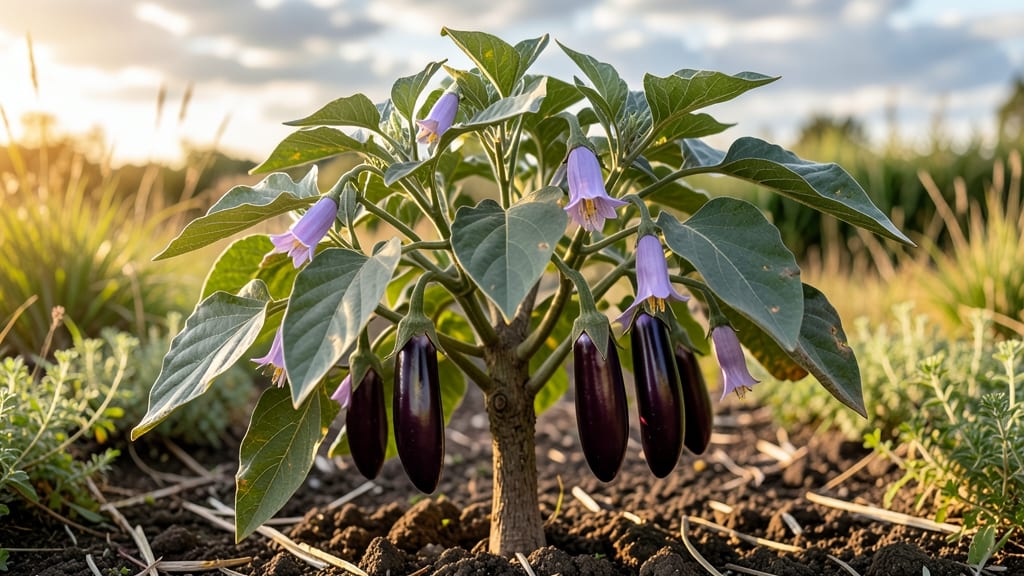
If you're planning your garden this year, knowing how tall does an eggplant plant grow could make or break your space strategy. These plants might look delicate, but they pack a surprising vertical punch—some varieties stretch nearly as tall as a kitchen countertop!
For most gardeners, eggplants like Black Beauty reach 3-4 feet, while dwarf types stay compact at just 1-2 feet. That difference means the space between your tomato plants and your patio could be the perfect spot for either a towering harvest or a neat, low-profile addition.
But here's the catch: their growth habits change how you should plant them. Bush varieties need less elbow room, while vining types might sprawl if left unchecked. I'll show you exactly how to plan your garden layout to maximize space and yield—no wasted room or missed harvests.
Ready to turn your garden into a productive eggplant powerhouse? Let's dive into the varieties, spacing secrets, and growth hacks that will have you harvesting glossy, ready-to-cook 🍆 fruits all season long.


Eggplant plant heights by variety: compact vs towering types
Eggplants come in a surprising range of heights, from compact dwarf varieties that fit in containers to towering standard types reaching waist height. Choosing the right variety for your space isn't just about aesthetics—it directly impacts your harvest potential and garden layout.
For example, a Fairy Tale eggplant stays under 12 inches, while a Black Beauty can stretch to 36 inches. Let's break down the key differences so you can plan with confidence.
Most gardeners assume all eggplants grow similarly, but this couldn't be further from the truth. The height of your plant determines everything from container size to row spacing in your vegetable garden.
Even experienced growers often misjudge space needs, leading to overcrowding or wasted garden real estate. Understanding these variations helps you maximize yield in even the smallest spaces.
Here’s how eggplant varieties stack up in height—plus what each means for your growing setup:
| Variety | Height Range | Best For | Notes |
|---|---|---|---|
| Fairy Tale | 12–18 inches | Containers, small gardens | Compact, great for patios |
| Ichiban | 18–24 inches | Balconies, raised beds | Dwarf but productive |
| Black Beauty | 30–36 inches | Standard gardens | Classic, needs space |
| Rosa Bianca | 24–30 inches | Medium gardens | White, elegant fruit |
| Long Purple | 36–48 inches | Large gardens, trellises | Vining, needs support |
If you're growing eggplants in containers, stick to dwarf varieties like Fairy Tale or Ichiban. These thrive in 5-gallon pots and can produce just as many fruits as their taller cousins—if given enough sunlight.
For in-ground gardens, standard varieties like Black Beauty or Rosa Bianca are ideal, but space them at least 18–24 inches apart to prevent competition.
Vining varieties like Long Purple can reach heights of 4 feet or more, making them perfect for trellises or tall cages. This not only saves space but also improves air circulation, reducing the risk of fungal diseases.
Just be sure to stake them early—eggplants are top-heavy and can topple in windy conditions.
For urban gardeners with limited space, consider bush varieties like Patio Baby, which max out at 20 inches. These are perfect for balcony gardens or even windowsill setups with sufficient light. Even in small spaces, you can expect 5–10 fruits per plant if cared for properly.
One common misconception is that taller eggplants always produce more fruit. While some varieties like Long Purple yield larger individual fruits, dwarf varieties often compensate with faster fruiting cycles. This means you can harvest more frequently, making them ideal for continuous harvests throughout the season.
When planning your garden, also consider the fruit size of each variety. Dwarf types like Fairy Tale produce small, 4–6 inch fruits, while taller varieties may grow 8–12 inch eggplants.
If you're growing for family meals, a mix of sizes can be ideal—smaller fruits for quick cooking, larger ones for roasting or grilling.
Pro tip: If you love the idea of a tall eggplant but have limited space, try pruning the main stem after the first 2–3 fruits set.
This encourages bushier growth and prevents the plant from becoming too top-heavy. Just be sure to leave 3–4 leaves above each fruit to support photosynthesis.
How eggplant growth habits affect your garden layout
Eggplant plants come in two primary growth habits that dramatically impact your garden layout: bush varieties and vining types. Bush varieties like 'Rosa Bianca' stay compact at 2-3 feet, while vining types such as 'Ichiban' can reach 4-5 feet if unchecked.
This difference isn't just about height—it affects spacing, trellising needs, and even how you arrange companion plants.
For bush varieties, space them 18-24 inches apart in rows 2-3 feet apart. This compact spacing works perfectly for small gardens or containers, giving you room for 4-6 plants in a 5-gallon container.
Meanwhile, vining varieties need 24-36 inches between plants and wider row spacing to prevent overcrowding. Without proper spacing, you'll end up with stunted growth and fewer fruits.
Here's the game-changer: trellising can transform your garden layout. Vining eggplants trained on a 3-4 foot tall trellis save space while improving air circulation, reducing disease risk. I've seen 'Black Krim' plants grow vertically to 5 feet on a sturdy trellis, freeing up ground space for other crops.
Just ensure your trellis can support 10-15 pounds per plant at peak harvest!
Another layout trick? Interplanting with shallow-rooted crops like basil or lettuce works beautifully. These companions thrive in the eggplant's dappled shade while the eggplant gets consistent moisture from the surrounding soil. Just avoid planting near fennel or dill, which can stunt eggplant growth through allelopathy.
For container gardeners, choose dwarf varieties like 'Fairy Tale' (12 inches tall) or 'Patio Baby' (18 inches). These fit perfectly in 10-15 gallon pots with proper drainage.
The key is matching the container size to the plant's mature root zone—eggplants hate soggy roots, so ensure pots have drainage holes and you're watering consistently.
Pro tip: If you're short on space, prune selectively to control height. Remove the topmost leaves and stems when plants reach 2 feet tall, directing energy to fruit production rather than vertical growth.
This works especially well for standard varieties like 'Black Beauty', keeping them manageable at 3 feet while boosting yield.
Remember, eggplants are warm-season crops that need 6-8 hours of sun daily. Place them where they'll get full sun exposure, and avoid areas with afternoon shade. With the right layout, you'll maximize your harvest while keeping your garden organized and productive all season long! 🌱✂️🪴