
Plants
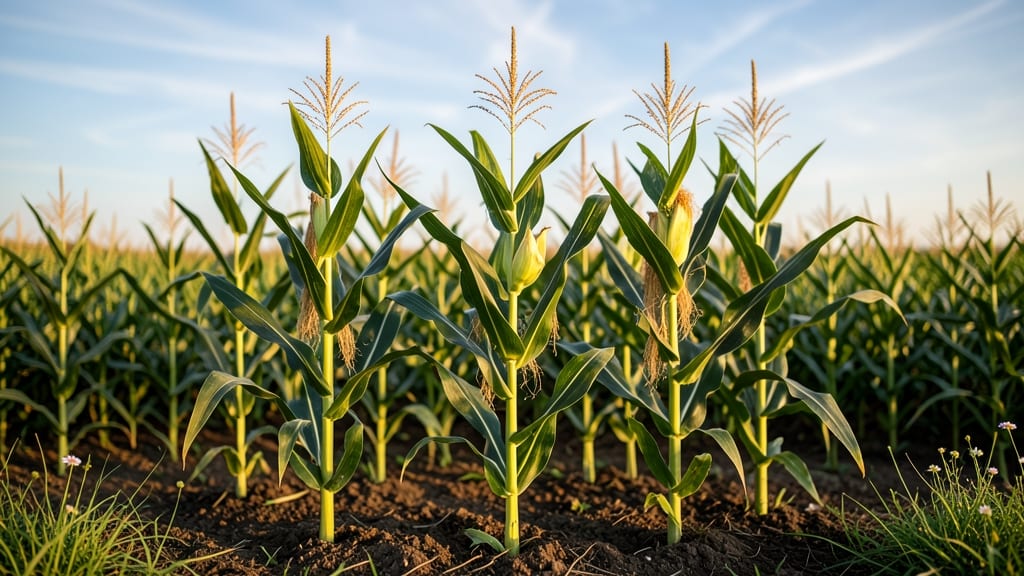
If you're planning your garden this spring, knowing how tall does a corn plant grow could make all the difference between a crowded plot and a thriving harvest. 🌽 Whether you're dreaming of towering stalks reaching toward the sky or prefer compact varieties for small spaces, corn height varies more than you might think.
Sweet corn varieties often stand between 6 and 10 feet, while dwarf types can stay as short as 3 to 5 feet. The difference isn't just about space—it affects everything from pollination to harvest ease.
Choosing the right variety for your garden layout and climate is the first step to success.
But height isn't just about the plant itself—soil quality, sunlight, and proper spacing play huge roles in how tall your corn will grow. A well-fed plant with plenty of room to stretch can reach its full potential, while poor conditions might leave it struggling to stand tall.
In this guide, I'll break down everything you need to know about corn height, from variety selection to practical tips for managing tall stalks. Let's get your garden growing the right way!


Corn plant height by variety: from dwarf to giant stalks
When planning your corn garden, height matters more than you might think. Some varieties barely reach your knees, while others tower over your head—literally!
The average corn plant grows between 6 to 10 feet tall, but dwarf varieties can stay as short as 3 feet, making them perfect for containers or small spaces. Choosing the right height ensures your corn thrives and produces the best ears for your harvest.
Taller corn varieties often yield more ears but require more space and support. Standard sweet corn, like 'Silver Queen' or 'Golden Bantam,' typically reaches 7 to 9 feet, while heirloom varieties such as 'Country Gentleman' can soar up to 12 feet in ideal conditions.
On the other hand, dwarf corn varieties, like 'Tom Thumb,' stay compact at 3 to 5 feet, making them ideal for urban gardens or small plots.
Here’s how corn height varies by type, along with what to expect from each:
| Variety Type | Height Range | Best For | Notes |
|---|---|---|---|
| Dwarf | 3–5 ft | Containers, small gardens | Ideal for urban gardening; may produce smaller ears. |
| Semi-Dwarf | 5–7 ft | Home gardens, limited space | Balanced height; good for pollination in small plots. |
| Standard | 6–10 ft | Large gardens, commercial | Most common; requires proper spacing and support. |
| Giant/Heirloom | 10–12+ ft | Specialty gardens, displays | Needs strong support; may require windbreaks. |
If you're growing corn for ornamental purposes, like 'Glass Gem' or 'Black Aztec,' expect heights of 7 to 10 feet with stunning, colorful kernels. These varieties are prized for their beauty but still require the same care as edible corn.
For maximum yield, standard varieties like 'Peaches and Cream' or 'Ambrosia' are excellent choices, reaching 8 to 10 feet and producing abundant ears.
One common misconception is that taller corn always means better ears. While taller plants can produce more ears, the size and quality of the ears depend more on genetics, sunlight, and soil fertility than just height.
For example, a 5-foot dwarf variety can yield delicious ears if given proper care, while a 12-foot giant might struggle in poor soil or with insufficient water.
When selecting corn for your garden, consider your space constraints and garden layout. Taller varieties need at least 18 inches between plants and 3 feet between rows to prevent shading and ensure good airflow.
Dwarf varieties can be spaced 12 inches apart, making them perfect for interplanting with shorter crops like beans or lettuce.
Pro tip: If you're growing corn in containers or small pots, choose dwarf varieties like 'Tom Thumb' or 'Golden Midget.' These stay under 4 feet tall and thrive in 5-gallon buckets with proper drainage.
Just ensure they get full sun and consistent watering to compensate for their limited root space.
For those with larger gardens, standard or heirloom varieties offer the most reward. Plant them in blocks or squares (not single rows) to improve pollination. A 4x4-foot block of corn can yield 20–30 ears, depending on the variety and growing conditions.
Just be prepared to provide support if your stalks reach 8 feet or taller!
Factors affecting corn plant height: soil, sun, and spacing
Did you know that corn height isn't just about the variety? While genetics set the baseline, your growing conditions can push those stalks higher—or keep them shorter than expected.
The right soil fertility, sunlight exposure, and spacing can make all the difference between a 6-foot plant and one reaching 12 feet or more!
Let’s start with soil quality, which is the foundation of strong growth. Corn plants thrive in well-draining, nutrient-rich soil with a pH between 6.0 and 7.0. If your soil is poor or compacted, roots struggle to access nutrients and water, stunting growth.
Amending with compost or aged manure before planting gives your corn the boost it needs to reach its full height potential.
Next, sunlight is non-negotiable for tall corn. These plants need at least 6-8 hours of direct sun daily—any less, and you’ll see weaker stalks and smaller ears. In shady spots, corn may grow tall but lean toward the light, becoming unstable.
If you’re in a partial-shade area, choose dwarf varieties or supplement with grow lights to encourage even growth.
Here’s a critical factor many gardeners overlook: proper spacing. Corn plants need room to stretch their leaves and develop strong stalks. Crowding leads to competition for nutrients and light, causing plants to grow tall but weak.
For standard varieties, space plants 12-18 inches apart in rows 30-36 inches apart. Dwarf varieties can tolerate closer spacing, but even they benefit from 8-12 inches between stalks.
Watering plays a surprising role too. While corn needs consistent moisture, especially during tasseling and ear development, overwatering or uneven watering can stress plants, leading to uneven growth or even lodging (when stalks fall over).
Aim for 1-2 inches of water per week, delivered at the base of the plant in the morning to reduce fungal risks.
Finally, don’t underestimate the power of wind and support. Tall corn varieties are prone to lodging, especially in windy areas. If you’re growing 8-foot-plus stalks, consider planting near a windbreak or using stakes and twine to support them.
Even dwarf varieties benefit from gentle support if your garden is prone to storms.
By mastering these factors, you’ll give your corn plants the best chance to grow tall, strong, and productive—no matter which variety you choose! 🌾