
How To
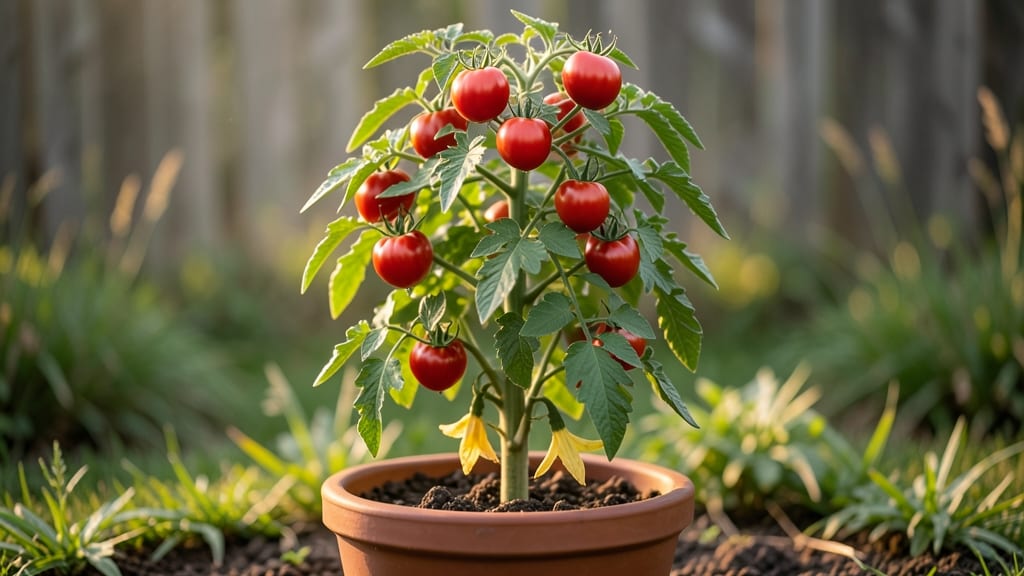
If you’ve ever wondered how tall does a Roma tomato plant grow, the answer might surprise you—especially if you’re working with limited space.
These 🍅 powerhouses typically reach 3 to 5 feet in height, but their growth habits can vary wildly depending on whether you’re growing determinate (bush) or indeterminate (vining) varieties.
For gardeners in USDA Zone 6a or similar climates, knowing this difference is key to planning your spring planting. Determinate Roma tomatoes stay compact, making them perfect for containers or small gardens, while indeterminate types can stretch toward 6 feet or more if left unchecked.
The good news? With the right support or pruning, you can keep even the tallest varieties manageable.
Whether you’re dreaming of a backyard harvest or a balcony garden, understanding these growth patterns helps you choose the right variety and set up your space for success. Let’s break down what you need to know to maximize your yield—no matter how much (or little) room you have.
From spacing recommendations to trellising tips, I’ll show you how to work with your Roma tomatoes’ natural growth to create a thriving, space-efficient garden. Ready to get started?


Roma tomato plant height: standard growth ranges and determinate varieties
When planning your Roma tomato garden, knowing their mature height helps you choose the right spot and support system. Most Roma tomato plants grow between 3 to 5 feet tall at maturity, making them ideal for both in-ground beds and containers.
This compact size is one reason they’re so popular for small spaces!
The height of your Roma tomato plant depends largely on whether it’s a determinate or indeterminate variety. Determinate types stay shorter and bushier, typically reaching 3 to 4 feet, while indeterminate varieties can grow taller—sometimes even 6 feet or more—if not pruned.
Understanding this difference is key to managing your garden’s layout.
For example, if you’re growing Roma VF tomatoes (a common disease-resistant variety), you can expect them to stay around 4 feet tall. This makes them perfect for balcony gardens or raised beds where space is limited.
On the other hand, traditional Roma hybrids might stretch taller, requiring stakes or trellises for support.
| Variety Type | Mature Height | Growth Habit | Best For |
|---|---|---|---|
| Determinate Roma | 3–4 feet | Bushy, compact | Containers, small gardens |
| Indeterminate Roma | 4–6 feet | Vining, tall | Trellises, vertical gardens |
| Dwarf Roma | 2–3 feet | Ultra-compact | Balconies, window boxes |
Note: Heights can vary based on pruning, sunlight, and soil quality.
If you’re growing Roma tomatoes in containers, opt for determinate varieties to save space. A 5-gallon pot is ideal for a single plant, giving it enough room to grow without becoming root-bound.
For in-ground planting, space plants 18 to 24 inches apart to allow airflow and reduce disease risk.
One common misconception is that Roma tomatoes always need a lot of space. In reality, their compact growth makes them one of the most space-efficient tomato varieties. With the right support system, like a cage or trellis, you can even grow taller varieties in small areas.
This adaptability is why they’re a favorite among urban gardeners!
For those in USDA Zone 6a or warmer, Roma tomatoes thrive when planted after the last frost, typically in late April or May. Their 60-day harvest time means you’ll enjoy fresh tomatoes by mid-summer, provided they receive 6–8 hours of sunlight daily.
This quick turnaround is another reason they’re perfect for beginners.
When planning your garden layout, consider pairing Roma tomatoes with companion plants like basil or marigolds. These plants help deter pests and improve growth. For example, basil near your tomatoes can enhance flavor while keeping whiteflies at bay.
Just be sure to give your Roma plants enough space to avoid shading them.
If you’re new to growing tomatoes, start with a determinate Roma variety like 'Roma Red' or 'Roma VF'. These are low-maintenance and forgiving, making them ideal for first-time gardeners. With proper watering and pruning, you’ll harvest plump, meaty tomatoes perfect for sauces, salsas, or fresh eating.
Remember, the height of your Roma tomato plant isn’t set in stone—it’s influenced by your care routine. Regular pruning can keep even indeterminate varieties in check, while overfeeding with nitrogen can lead to leafy growth at the expense of fruit.
Balance is key to achieving that perfect 3–5 foot height for a productive harvest.
Roma tomato plant height: standard growth ranges and determinate varieties
Understanding how tall your Roma tomato plants will grow is key to planning your garden layout. Most standard Roma tomato varieties reach 3 to 5 feet tall at maturity, but this can vary based on growing conditions and whether you're cultivating determinate (bush) or indeterminate (vining) types.
Determinate Roma tomatoes—like the classic 'Roma'—typically stay compact, making them ideal for smaller spaces.
If you're working with limited space, determinate Roma tomatoes are your best bet. These varieties grow in a bush-like shape, reaching heights of 3 to 4 feet and producing fruit all at once.
This makes them perfect for container gardening or tight garden beds. Indeterminate types, on the other hand, can grow 6 feet or taller and continue producing fruit throughout the season.
| Type | Height Range | Growth Habit | Best For |
|---|---|---|---|
| Determinate Roma | 3–4 ft | Bushy, compact | Containers, small gardens |
| Indeterminate Roma | 5–7 ft+ | Vining, sprawling | Trellises, large gardens |
| Dwarf Roma | 2–3 ft | Ultra-compact | Balconies, window boxes |
For container gardening, choose dwarf or determinate Roma varieties to avoid overcrowding. These plants thrive in 5-gallon pots or larger, with proper drainage holes to prevent root rot. If you're growing in the ground, space determinate plants 2 to 3 feet apart to allow airflow and reduce disease risk.
One common misconception is that all Roma tomatoes need full sun exposure and deep watering to reach their full height. While this is true, overwatering or poor soil drainage can stunt growth or lead to weak stems.
Aim for 6 to 8 hours of sunlight daily and water deeply every 3 to 5 days, adjusting for your climate.
If you're growing indeterminate Roma tomatoes, plan for vertical support like trellises or cages. These plants can grow 6 feet or taller and may need pruning to manage height and encourage fruit production.
Regularly pinch off suckers (the small shoots that form in the leaf axils) to redirect energy to fruit development.
Remember, the height of your Roma tomato plant directly impacts its yield and care requirements. Shorter varieties produce fruit faster and are easier to maintain, while taller types offer a longer harvest season. Choose based on your space, time, and gardening goals!