
Planting
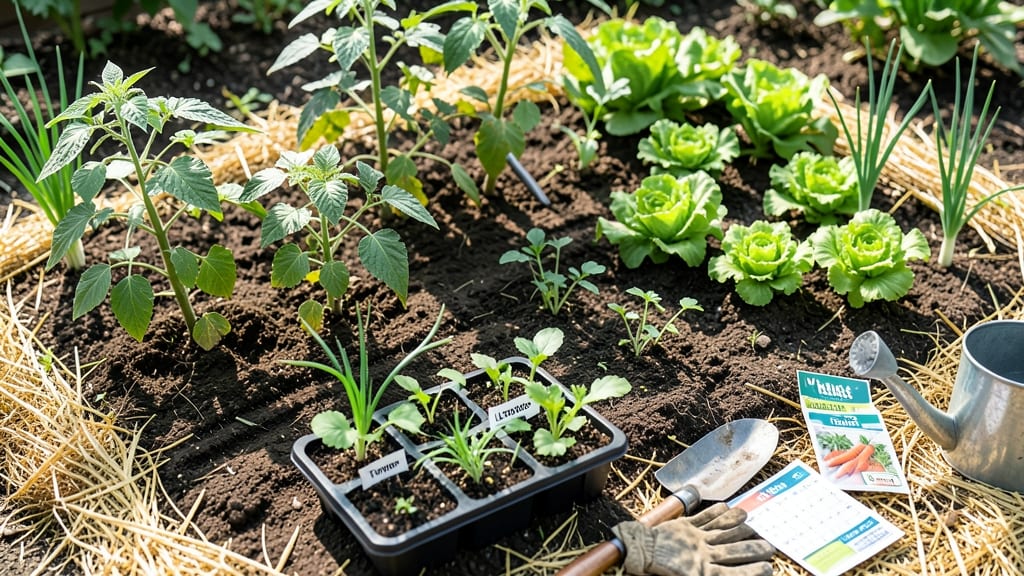
Timing your 🥬 vegetable garden in New Jersey isn’t just about luck—it’s about knowing exactly when to plant to beat frost and maximize your harvest. With NJ’s Zone 6b/7a climate, getting the schedule wrong could mean wilted seedlings or missed peak flavors.
The key? Understanding your last spring frost and first fall freeze dates to plan around them.
Most gardeners in NJ start cool-season crops like spinach and peas as early as mid-March, while warm-season favorites like tomatoes and peppers wait until after the last frost in mid-April to May.
But here’s the catch: North Jersey’s chill lingers longer than South Jersey’s, so your exact planting window might shift depending on where you live.
I’ll break down the perfect planting timeline for your NJ garden, including how to adjust for unpredictable frosts and which crops thrive in each season. Whether you’re a first-time gardener or a seasoned pro, these tips will help you grow a bountiful harvest—without the guesswork.
Ready to transform your garden from a gamble into a guaranteed success? Let’s dive into the frost-date secrets that will change how you plan your 🥬 vegetable garden this year.
NJ frost dates 2024: last spring & first fall freeze timeline for zone 6b/7a
New Jersey’s Zone 6b/7a climate creates a 165-200 day frost-free window, but exact frost dates vary by region. North Jersey (like Bergen County) tends to freeze 1-2 weeks earlier than South Jersey (like Cape May).
Knowing these dates helps you avoid frost damage to tender crops while maximizing harvests.
For 2024, use these average last spring frost dates as your guide: Mid-April (North) to Early April (South). The first fall frost typically arrives between Mid-October (North) and Late October (South).
However, microclimates (like urban heat islands or coastal areas) can shift these dates by 1-3 weeks.
🌱Pro Tip: Check the USDA Plant Hardiness Zone Map for your exact location. Even within NJ, a 5-mile difference can mean a 1-week frost difference.
To fine-tune your planting schedule, use local weather stations like the NJ State Climate Office or Almanac.com. These tools provide historical frost data for your exact ZIP code, helping you adjust for early or late frost years.
For cool-season crops like spinach or kale, plant 4-6 weeks before your last frost date. For warm-season crops like tomatoes or peppers, wait until 2-3 weeks after the last frost to avoid chilling injury.
🌡️Key Insight: Soil temperature matters more than air temperature. Use a soil thermometer—most seeds need 40°F+ for germination, while warm-season crops require 60°F+.
If you’re unsure about your exact frost dates, plant a mix of early, mid, and late varieties. This succession planting strategy ensures a continuous harvest even if some crops miss the ideal window.
📅Action Step: Mark your calendar for March 15 (start seeds indoors) and April 15 (harden off seedlings). By May 1, most NJ gardeners can safely plant outdoors.
Best vegetables to plant by NJ season: cool vs. warm season crops
New Jersey’s Zone 6b/7a climate creates two clear planting seasons: cool-season (spring/fall) and warm-season (summer). Understanding these distinctions helps you maximize your harvest.
Cool-season crops like spinach and kale thrive when temperatures hover between 40°F and 75°F, while warm-season varieties such as tomatoes and peppers need consistent warmth above 60°F.
In my garden, I’ve found that succession planting is key—especially for fast-growing crops like lettuce or radishes. By staggering plantings every 2-3 weeks, I ensure a steady supply of fresh produce.
For example, I start bush beans in early May and follow up with another round in late June to extend the harvest into September.
Row covers and cold frames are my secret weapons for extending harvests. In late summer, I use floating row covers to protect broccoli and cauliflower from early frosts.
These simple tools can add 2-4 weeks to your growing season, giving you time to enjoy homegrown veggies well into October or even November.
🌱 Cool vs. Warm Season Crops: NJ Planting Guide
| Crop Type | Best Planting Time | Days to Maturity | NJ-Specific Tip |
|---|---|---|---|
| Spinach | March–April, Sept–Oct | 30–50 days | Use row covers for bolting protection. |
| Tomatoes | May–June (after frost) | 60–85 days | Choose early varieties like 'Stupice' for shorter seasons. |
| Peas | March–April, Aug–Sept | 50–70 days | Sow directly in cool soil for best germination. |
| Bell Peppers | May–June (start indoors) | 70–90 days | Use black plastic mulch to warm soil faster. |
One common mistake I see is planting warm-season crops too early. For example, cucumbers and squash won’t germinate in cold soil, no matter how hard you water them.
Always wait until the soil temperature reaches 60°F+—use a soil thermometer to check! I also recommend hardening off seedlings for 7–10 days before transplanting to avoid shock.
For a year-round harvest, I dedicate part of my garden to fall planting. By mid-July, I sow radishes, turnips, and kale for a late-season bounty.
These crops tolerate cooler temps and often produce sweeter flavors after a light frost. Just be sure to mulch heavily in October to protect roots from freezing.
Remember, local microclimates matter in NJ. Coastal areas like Cape May have milder winters, while inland zones like Sussex County experience earlier frosts. Adjust your planting dates by 1–2 weeks based on your specific location. With the right timing, you can enjoy fresh homegrown veggies from spring through fall! 🌿