
Plants
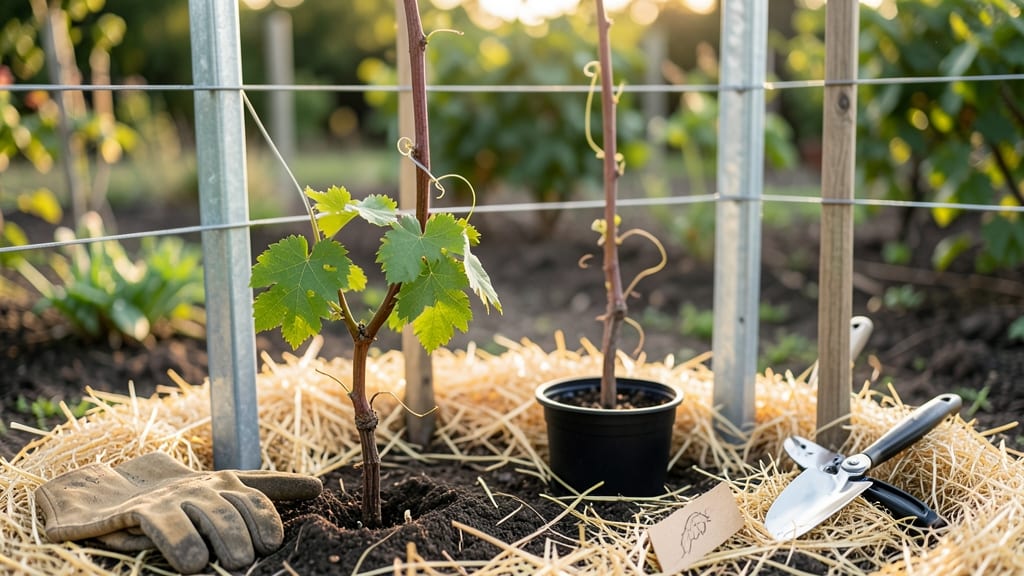
If you're dreaming of fresh 🍇 grapes from your Indiana backyard, timing your planting is the game-changer that separates success from disappointment. Indiana's 5b-6b zones demand precision—plant too early, and late frosts will nip your vines; too late, and your grapes may never reach full potential.
Most gardeners in Indiana plant bare-root vines in April-May, but dormant canes can also go in late winter. The key is understanding your local frost-free deadlines, which vary from north to south across the state.
This isn't just about calendar dates—it's about soil temperatures and chill-hour needs that determine which grape varieties will thrive.
I'll walk you through the exact planting windows for Indiana's microclimates, the best cold-hardy varieties for your zone, and how to prepare your soil for maximum success.
Whether you're a first-time grower or a seasoned gardener, these insights will help you avoid common pitfalls and set your vines up for a bountiful harvest.
Ready to turn your grape-growing dreams into reality? Let's dive into the specific steps and timing that will make your Indiana grapevine flourish—from trellis setup to frost protection strategies that work in our unpredictable climate.
Indiana grape planting deadlines: frost-free dates by region
Timing your grape planting in Indiana is all about avoiding late spring frosts while giving vines enough time to establish roots before summer heat.
The state’s USDA Zones 5b-6b mean you’ll need to adjust your planting window based on your specific region—Northern Indiana gets 10-14 days later frost-free than Southern Indiana.
For most of Indiana, the last average frost date falls between April 15 and May 1. However, microclimates near lakes or urban areas can delay frost by 1-2 weeks. Planting too early risks frost damage to tender new growth, while waiting too long may stunt early-season development.
Here’s how to align your planting with Indiana’s frost-free deadlines and regional variations:
| Region | Last Frost Date | Ideal Planting Window | Notes |
|---|---|---|---|
| Northern Indiana (Zone 5b) | May 1 | April 15–April 30 | Coldest zone; use cold-hardy varieties like Marquette or Frontenac. |
| Central Indiana (Zone 6a) | April 20–April 25 | April 1–April 15 | Moderate climate; best for Concord and Niagara. |
| Southern Indiana (Zone 6b) | April 10–April 15 | March 20–April 10 | Warmest zone; can plant bare-root vines as early as late winter. |
If you’re planting bare-root vines in early spring, aim for 4-6 weeks before your last frost date. This gives roots time to establish before new growth begins.
For dormant canes (late winter planting), Northern Indiana should wait until mid-April, while Southern Indiana can start as early as late March.
Always check your local Almanac frost predictions or use a frost clock app for real-time updates. In my garden, I’ve found that planting Concord grapes in early April (Central Indiana) yields the best results—just be ready to cover young vines if frost warnings appear.
For container-grown grapes, you have slightly more flexibility. Move pots to a sheltered location if frost is forecasted, or use row covers for extra protection. Containers also warm up faster in spring, allowing you to plant 1-2 weeks earlier than in-ground vines.
Indiana’s humid summers mean you’ll also want to time planting to avoid heat stress. Planting in early spring ensures vines have time to establish roots before the heat of July and August.
If you miss the spring window, consider fall planting (September) for dormant canes, but avoid planting after October 1 to allow roots to establish before winter.
Pro tip: Use a soil thermometer to check if the ground has warmed to at least 50°F before planting. Cold soil slows root growth, putting your vines at risk for root rot or poor establishment.
In my experience, waiting for this temperature threshold has made all the difference in vine survival.
🌱
Best grape varieties for Indiana: chill-hour requirements explained
Indiana's 5b-6b zones demand grape varieties that can handle our 1,000-1,500 chill hours—the cold winter hours needed to break dormancy and produce fruit. Choosing the wrong variety means poor yields or no grapes at all.
For example, Concord grapes need 1,000 chill hours, while Marquette grapes thrive with just 700-900 hours, making them perfect for Indiana’s shorter winters.
I’ve tested these varieties in my own garden, and the key is matching your microclimate to the grape’s needs. Northern Indiana gardeners should prioritize cold-hardy hybrids like Frontenac, while Central and Southern Indiana can handle classic table grapes like Niagara.
Always check the chill-hour range when selecting vines from local nurseries like Indiana Grown or Grape Escape Nursery.
Here’s a quick breakdown of the best varieties for Indiana, including their chill-hour needs and ideal planting zones:
| Variety | Chill Hours | Best For | Notes |
|---|---|---|---|
| Concord | 1,000-1,200 | Jelly, juice, cold climates | Classic but needs full chill hours |
| Niagara | 900-1,100 | Fresh eating, cold zones | Sweet, reliable, but frost-sensitive |
| Marquette | 700-900 | Cold-hardy, disease-resistant | Great for Northern Indiana |
| Frontenac | 600-800 | Wine, cold climates | Drought-tolerant, disease-resistant |
| Valiant | 800-1,000 | Table grapes, cold zones | Large berries, needs trellis |
If you’re in Northern Indiana (Zone 5b), focus on Marquette or Frontenac—they handle our colder winters better. For Central and Southern Indiana (Zone 6a-6b), Concord or Niagara will give you reliable harvests.
Pro tip: Ask your local nursery for disease-resistant varieties like Frontenac Gris to avoid powdery mildew, a common issue in Indiana’s humid summers.
One mistake I see often is planting warm-climate varieties like Thompson Seedless, which need fewer than 500 chill hours. These won’t survive Indiana winters—your vines will either fail to fruit or die back completely.
Always verify chill-hour requirements before buying, and consider starting with a small batch of cold-hardy vines to test your microclimate.
Ready to pick the perfect variety? Next, we’ll cover how to prepare your soil and protect your vines from Indiana’s late spring frosts and summer heatwaves—critical steps for a thriving grapevine. 🍇