
Plants
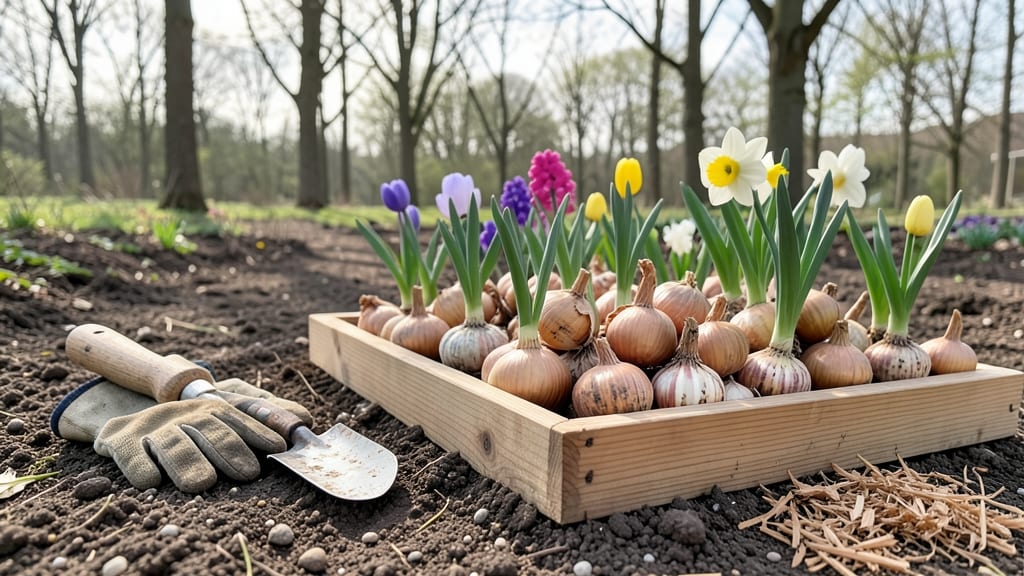
Timing when to plant bulbs in Zone 8a (like tulips, daffodils, and hyacinths) isn’t just about digging them into the ground—it’s about unlocking the perfect bloom show.
With mild winters and warm spells, getting the window wrong can mean missed flowers or even rotten bulbs before they have a chance to shine.
Here's the secret: most gardeners in Zone 8a (think Central California or Southern Georgia) plant these 🌷 beauties in fall, but the exact timing depends on chill-hour needs and your local frost dates.
Plant too early, and you risk premature sprouting; too late, and your bulbs won't get enough winter chill to bloom properly. Let's break down the science—and the simple steps—to get it right every time.
You'll discover how to read your microclimate, adjust for regional variations, and choose the best bulbs for your area. Whether you're a first-time planter or a seasoned gardener, these insights will help you create a garden that bursts into color from March through May—without the guesswork.
Ready to transform your yard? I'll walk you through the exact planting calendar, soil prep tips, and even common mistakes to avoid. Your future spring garden starts with the right moves this fall.
Zone 8a bulb planting calendar: chill-hour requirements by variety
Zone 8a's mild winters make bulb planting tricky—too early, and bulbs rot; too late, and they won’t bloom. The key is understanding chill-hour needs, which measure how many hours below 45°F (7°C) a bulb requires to trigger flowering.
Most spring bulbs need 100-1,500 chill hours, but Zone 8a often falls short.
To succeed, choose bulbs with moderate chill-hour needs (300-600 hours) or use pre-chilled bulbs from nurseries. For example, daffodils (300-600 hours) thrive here, while tulips (900-1,200 hours) often flop without extra care. Timing also depends on your local frost dates—plant 6-8 weeks before the first frost for best results.
Here’s how to match bulbs to your microclimate using chill hours and frost dates:
| Bulb Type | Chill-Hour Needs | Zone 8a Planting Window | Notes |
|---|---|---|---|
| Daffodils (Narcissus) | 300-600 hours | October-November | Best for Zone 8a; deer-resistant. |
| Hyacinths | 600-900 hours | September-October (pre-chilled) | Plant in containers for flexibility. |
| Tulips (species, not hybrid) | 900-1,200 hours | Late October-November | Use botanical tulips (e.g., Tulipa greigii). |
| Crocuses | 200-400 hours | October-November | Early bloomers; great for ground cover. |
| Alliums (Ornamental Onions) | 300-600 hours | October-November | Drought-tolerant; long stems for cutting. |
For fall-planted bulbs, aim for soil temps between 50-60°F (10-15°C). Use a soil thermometer to check—if temps drop below 40°F (4°C), bulbs may rot. In warmer microclimates (e.g., coastal Zone 8a), plant later in November to avoid early rains.
Spring bulbs like lilies (which need 0-300 chill hours) can be planted in late winter (February-March) for summer blooms. These thrive in Zone 8a’s heat but require well-draining soil to prevent rot. Pair them with annuals like marigolds to hide foliage as it dies back.
Pro tip: Use a heat map of your garden to spot microclimates. South-facing beds warm faster and may need earlier planting, while shaded areas can handle later dates.
For example, San Diego’s coastal Zone 8a might plant in December, while Atlanta’s inland Zone 8a can start in October.
If you miss the fall window, don’t despair—spring-planted bulbs (like rain lilies) can add color too. Just adjust your expectations: they’ll bloom later and may not last as long. The key is adapting to your local frost dates and choosing the right bulbs for your chill hours.
For a year-round display, layer bulbs with perennials like lavender or ornamental grasses. This hides dying foliage while adding texture. And remember: mulch after planting to insulate bulbs from temperature swings—this is critical in Zone 8a’s unpredictable winters.
🌱
Zone 8a bulb planting calendar: chill-hour requirements by variety
In Zone 8a, where winters are mild and summers stretch long, the key to stunning spring blooms lies in understanding chill-hour requirements—the number of hours below 45°F your bulbs need to trigger flowering.
Most classic spring bulbs (like tulips and daffodils) need 12-16 weeks of chill, but Zone 8a’s warm winters can make timing tricky. Plant too early, and bulbs may sprout prematurely; too late, and they won’t bloom. Let’s map out the perfect window for your favorite varieties.
For Zone 8a gardeners, the ideal planting window spans October through early November. This timing ensures bulbs get enough winter chill while avoiding the risk of rot from late-season rains.
For example, tulips (12-16 weeks of chill) should go in by mid-October, while daffodils (6-10 weeks) can wait until late October or November. Always check your local first frost date—aim to plant 6-8 weeks before frost.
Here’s how to adjust for your microclimate: Coastal areas (like Central California) may need to plant earlier (September-October) due to milder winters, while inland zones (like Southern Georgia) can wait until November.
Use a heat map tool (like the USDA Plant Hardiness Zone Map) to pinpoint your exact chill-hour zone—this helps fine-tune timing for varieties like hyacinths (12-16 weeks) or crocuses (4-8 weeks).
| Bulb Variety | Chill-Hour Needs | Best Planting Window (Zone 8a) | Notes |
|---|---|---|---|
| Tulips | 12-16 weeks | Mid-October | Plant early for coastal areas; avoid soggy soil. |
| Daffodils | 6-10 weeks | Late October-November | Tolerates warmer winters; great for deer-resistant gardens. |
| Hyacinths | 12-16 weeks | Mid-October | Needs well-draining soil; avoid overwatering. |
| Crocuses | 4-8 weeks | November-December | Early bloomers; plant shallow (2x bulb depth). |
| Alliums | 8-12 weeks | Late October | Drought-tolerant; great for pollinators. |
Pro tip: If your winters are warmer than average, opt for low-chill varieties like daffodils or grape hyacinths (6-8 weeks of chill). For high-chill bulbs (like tulips), consider pre-chilling them in your fridge for 8-12 weeks before planting. This trick works wonders in Zone 8a’s mild climate.
Don’t overlook spring-planted bulbs like caladiums or canas, which thrive in Zone 8a’s heat. These beauties go in after your last frost (around March-April), offering summer color when other bulbs rest. Mix them with your fall-planted varieties for a year-round floral display.
Remember, the soil temperature matters too—aim for 60°F or below when planting. Use a soil thermometer to check, especially in late fall. With this calendar, you’ll avoid the #1 mistake of planting too early and ensure your bulbs bloom boldly next spring.