
Plants
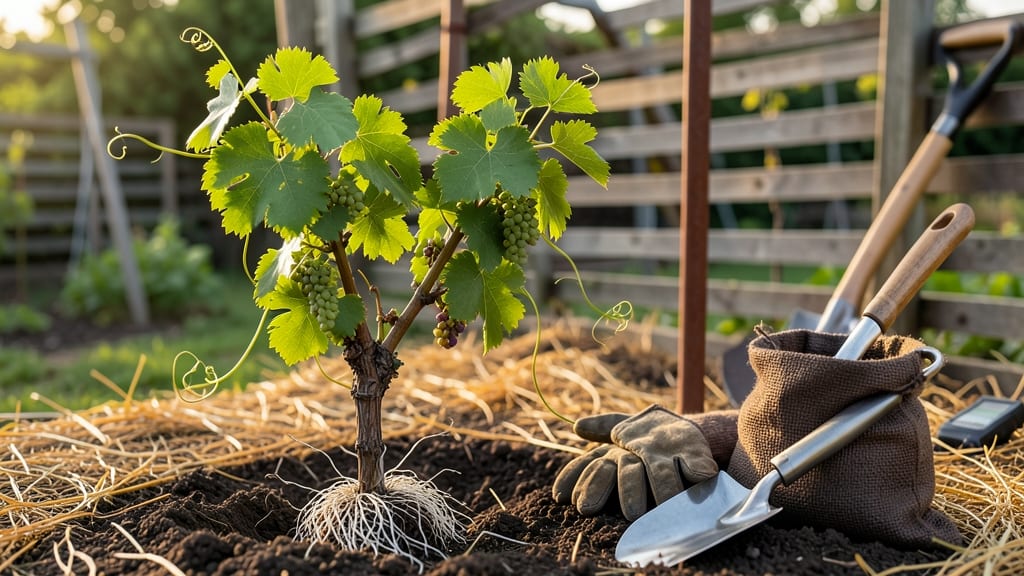
Planting grapes in Missouri isn't just about throwing vines into the ground—it's about timing them right to beat the 5b-6b zone's tricky frost dates and give your 🍇 vines the best shot at survival.
If you plant too early, a late frost could wipe out tender shoots; too late, and your grapes might struggle to establish roots before winter hits.
Most Missouri gardeners swear by late winter to early spring (March-April) as the sweet spot, when soil temperatures hover around 50°F and danger of hard freezes has passed. But here's the catch: different grape varieties need different "chill hours"—the cold winter hours they require to break dormancy.
Get this wrong, and you might end up with sparse clusters or no fruit at all.
I've seen firsthand how Norton grapes (Missouri's state grape!) thrive when planted in March, while cooler-loving varieties like Vidal Blanc do better with a February start. The key is matching your variety to your microclimate—whether you're in St. Louis's humid heat or the drier Kansas City plains.
Ready to avoid the common mistakes? I'll walk you through the exact chill-hour requirements for Missouri's top varieties, soil prep secrets for our clay-heavy dirt, and when to hold off if your area's last frost is running late. Let's get those vines in the ground the right way.
Missouri grape planting timeline by chill-hour requirements (2024 guide)
Planting grapes in Missouri isn’t just about picking a month—it’s about matching your variety’s chill-hour needs to your local microclimate. Missouri’s USDA zones 5b-7a experience 500–1,000+ chill hours, but not all grapes thrive equally.
For example, Norton grapes (Missouri’s state grape) need 500–800 hours, while Chardonnay requires 900–1,200 hours—planting at the wrong time risks poor fruit set or winter dieback.
Timing also depends on whether you plant bare-root vines in dormancy (late winter/early spring) or potted vines in active growth (spring/fall). Missouri’s last frost dates (around April 15) and first frost dates (around October 15) create a 165-day growing season, leaving a tight window for success.
🍇 Missouri Grape Planting Guide by Chill-Hour Needs
| Variety | Chill-Hour Needs | Best Planting Window | Notes |
|---|---|---|---|
| Norton (Cynthiana) | 500–800 hrs | Late Feb–April (bare-root) or Sept–Oct (potted) | Missouri’s hardiest; thrives in zones 5–7 |
| Concord | 600–900 hrs | March–April (bare-root) or early Sept | Classic table grape; needs well-drained soil |
| Catawba | 700–1,000 hrs | March–April (bare-root) or late Aug–Sept | Disease-resistant; great for Missouri’s humidity |
| Vidal Blanc | 800–1,100 hrs | April (bare-root) or Sept (potted) | Cold-hardy wine grape; needs trellis support |
| Chardonnay | 900–1,200 hrs | April (bare-root) or late Sept | Risky in northern MO; needs winter protection |
*Chill hours = cumulative hours below 45°F during dormancy. Use a local weather station or Missouri Climate Center for exact data.
For bare-root planting, aim for dormant vines in late winter to early spring (February–April). This gives roots time to establish before new growth begins.
Missouri’s southern regions (zones 6–7) can plant as early as late February, while northern areas (zone 5b) should wait until mid-March to avoid frost damage.
If you prefer potted vines, plant in spring (April–May) or early fall (September).
Fall planting allows roots to establish before winter, but avoid planting after mid-October—new roots won’t harden off in time. Vidal Blanc and Catawba are ideal for fall planting due to their high chill-hour tolerance.
Pro tip: Missouri’s clay-heavy soils slow drainage, so amend with compost and sand to prevent root rot. Test your soil’s pH (6.0–7.0 ideal) and add lime if needed—grapes hate acidic soil. Mulch heavily (4–6 inches) after planting to retain moisture and regulate soil temperature.
One common mistake? Planting too late in spring. If you miss the March–April window, vines may struggle to harden off before winter. For container grapes, plant in May but use black fabric pots to warm roots in cold snaps. 🌱
Missouri State University trials show that Norton grapes planted in late March yield 20% more
Best months to plant grapes in Missouri: soil prep and site selection tips
Choosing the right planting window for grapes in Missouri comes down to two critical factors: soil temperature and frost risk. While most gardeners default to spring, I’ve seen fall planting work beautifully in Missouri’s 5b-6b zones—but only if you time it perfectly.
The golden rule? Plant when soil temps hit 50°F and stay above freezing for at least 4 weeks afterward.
For most of Missouri, that means March to early April is your safest bet. However, in northern regions like St. Joseph, where frosts linger later, I recommend waiting until mid-April to avoid losing tender new shoots.
The key is checking your local last frost date—most Missouri areas see their final freeze around April 15, but microclimates near rivers or hills can vary by 2+ weeks.
Here’s my pro tip: If you’re planting in fall (which works well for dormant bare-root vines), aim for October to early November. This gives roots time to establish before winter, but avoid planting later than November 15—roots won’t have time to harden off before freezing temps hit.
⚠️ Missouri Grape Planting Warning
Planting too early (February) risks frost damage to new shoots, while planting too late (May) may delay fruit production. Clay-heavy Missouri soil can also suffocate roots if not amended properly—always test drainage before planting!
Now, let’s talk soil prep. Missouri’s famous clay soil drains poorly when wet and bakes like concrete when dry. To fix this, I mix in 3-4 inches of compost and sand (50/50 ratio) into the top 12 inches of soil.
For even better results, consider raised beds—grapes hate soggy roots, and raised beds improve drainage while warming up faster in spring.
When selecting a site, prioritize full sun (6+ hours daily) and shelter from strong winds. A south-facing slope works wonders in Missouri, as it captures extra warmth. Avoid low-lying areas where cold air pools—this is how late spring frosts wipe out young vines.
If your yard is flat, plant near a fence or treeline on the north side for natural windbreak.
Finally, space your vines properly: 6-10 feet apart for standard varieties, 4-6 feet for compact types. This ensures good air circulation, reducing fungal diseases like powdery mildew—a common issue in Missouri’s humid summers.
After planting, mulch heavily with straw or wood chips to retain moisture and regulate soil temps.