
Plants
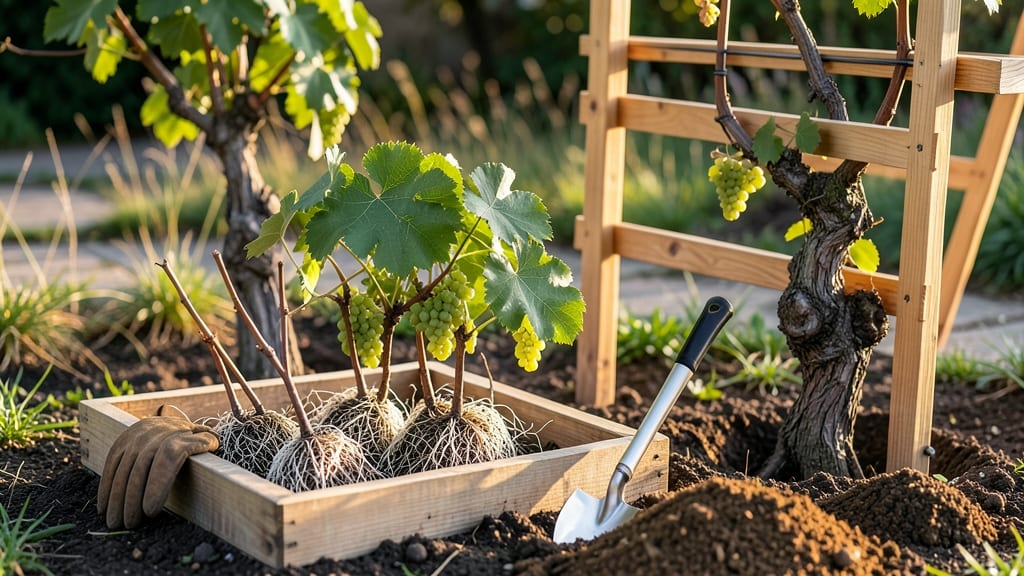
If you're dreaming of lush 🍇 grapes thriving in your California backyard, timing your planting could make or break your harvest. The best months to plant grapes in California depend on whether you're in frost-prone inland areas or mild coastal zones, and even your grape variety plays a role.
Most gardeners in California's USDA zones 8-11 plant grapes between November and March, when cooler temperatures help vines establish roots before summer heat arrives. Coastal areas have more flexibility, while inland regions need to avoid late winter frosts that can damage young plants.
I'll show you exactly when to plant your favorite varieties - whether you're growing wine grapes like Cabernet Sauvignon or sweet table grapes like Thompson Seedless - plus how to adjust for your specific microclimate. With the right timing, you'll be enjoying homegrown grapes in just a few seasons.
Let's dive into the ideal planting windows that will set your grape vines up for success, so you can avoid common mistakes and maximize your harvest potential year after year.
Best planting months for grapes in California by variety
California’s diverse climate zones mean your grape planting window depends on whether you’re in coastal areas (like Sonoma or Santa Barbara) or inland valleys (such as the San Joaquin Valley).
For most varieties, the ideal planting months are November through March, when vines are dormant and soil temperatures are cool—perfect for root establishment.
Coastal regions with milder winters (USDA zones 9-11) even allow year-round planting, while inland areas (zones 8-10) should avoid late spring or summer to prevent heat stress.
Your grape variety also plays a role. Wine grapes like Cabernet Sauvignon and Zinfandel thrive when planted in late winter (January-February), giving them time to establish before the growing season.
Meanwhile, table grapes such as Thompson Seedless or Flame Seedless can handle slightly earlier planting in November-December, as they’re more frost-tolerant. Always check your local last frost date—planting too early risks frost damage to young vines.
Here’s a quick comparison of the best planting windows for California’s most popular grape varieties, tailored to your region:
If you’re planting bare-root vines (the most common method in California), aim for dormant season—this means November through March for inland areas. For coastal growers, you can plant year-round, but winter months still offer the best success rates.
Pro tip: Soak bare-root vines in water for 1–2 hours before planting to rehydrate the roots and reduce transplant shock.
For container-grown grapes, timing is more flexible, but still prioritize cooler months. Containers dry out faster, so spring or fall planting (April or October) works well in inland regions. Just ensure your container has drainage holes and use a well-draining potting mix to prevent root rot.
I’ve had great success with Flame Seedless in 15-gallon pots on my patio—just move them to a shaded area during peak summer heat!
One common mistake I see is planting too late in spring (April or May), especially in inland areas. By then, soil temperatures can exceed 75°F, which stresses young vines and slows root growth. If you miss the winter window, wait until next fall (September–October) to plant.
The key is to give your vines 4–6 weeks of warm soil before the growing season kicks in—this ensures they’re ready to burst into growth when temperatures rise.
For frost-sensitive varieties like Chardonnay or Pinot Noir, avoid planting in November if your region experiences late frosts (e.g., Sacramento Valley). Instead, wait until December or January when frost risk has passed.
Check the USDA Plant Hardiness Zone Map for your area—coastal zones (9–11) are safer for earlier planting than inland zones
How to adjust planting timing for California’s microclimates
California’s diverse climate zones mean grapes planted in Napa Valley thrive under different timing rules than those in Temecula or the Central Valley.
Coastal regions like Sonoma and Santa Barbara enjoy mild winters with no frost, while inland areas face colder nights and potential frost between December and February. Understanding these microclimates ensures your vines establish roots before summer heat arrives.
For coastal California (USDA zones 9-11), you can plant grapes year-round, but the ideal window stretches from October through April. The ocean’s moderating influence keeps soil temperatures consistently warm, allowing roots to establish even in winter months.
In contrast, inland regions (USDA zones 8-10) should focus on November through March to avoid late-winter frosts that can damage tender new growth.
Soil temperature is your best guide—wait until the ground reaches 50°F (10°C) at least 6 inches deep. Use a soil thermometer to check, especially in drought-prone areas where soil heats up faster. In Northern California’s wine country, this typically aligns with late November to January, while Southern California’s desert-adjacent zones (like Riverside or Palm Springs) may allow planting as early as October.
| Region | Best Planting Window | Key Consideration | Soil Temp Goal |
|---|---|---|---|
| Northern California (Napa, Sonoma, Mendocino) | November–March | Frost risk Dec–Feb | 50–55°F (10–13°C) |
| Central Valley (San Joaquin, Sacramento) | December–February | Cold snaps possible | 55–60°F (13–16°C) |
| Southern California (Temecula, Riverside) | October–March | Mild winters, year-round option | 50–58°F (10–14°C) |
| Coastal (Santa Barbara, Monterey) | October–April | No frost, warm soils | 52–58°F (11–14°C) |
Heat waves can also stress young vines, especially in Southern California’s inland valleys. If planting in April or May, choose shade-cloth-covered areas or use drip irrigation to keep roots cool.
For container grapes, monitor soil moisture daily—pots dry out 3x faster than in-ground beds during summer heat.
Local frost dates are your secret weapon. Check the USDA Plant Hardiness Zone Map or your local Cooperative Extension office (e.g., UC Master Gardeners) for last frost averages.
In Napa Valley, for example, January 15th is a safer bet than December 1st for frost-sensitive varieties like Chardonnay. Conversely, Zinfandel or Thompson Seedless can handle slightly earlier planting due to their hardier nature.
Pro tip: Mulch heavily (4–6 inches of straw or wood chips) to insulate roots from temperature swings. This is especially critical in drought-prone areas like San Diego County, where soil can heat to 90°F (32°C) by midday.
Pair mulch with drip irrigation to maintain consistent moisture—a game-changer for first-year vines.