
Plants
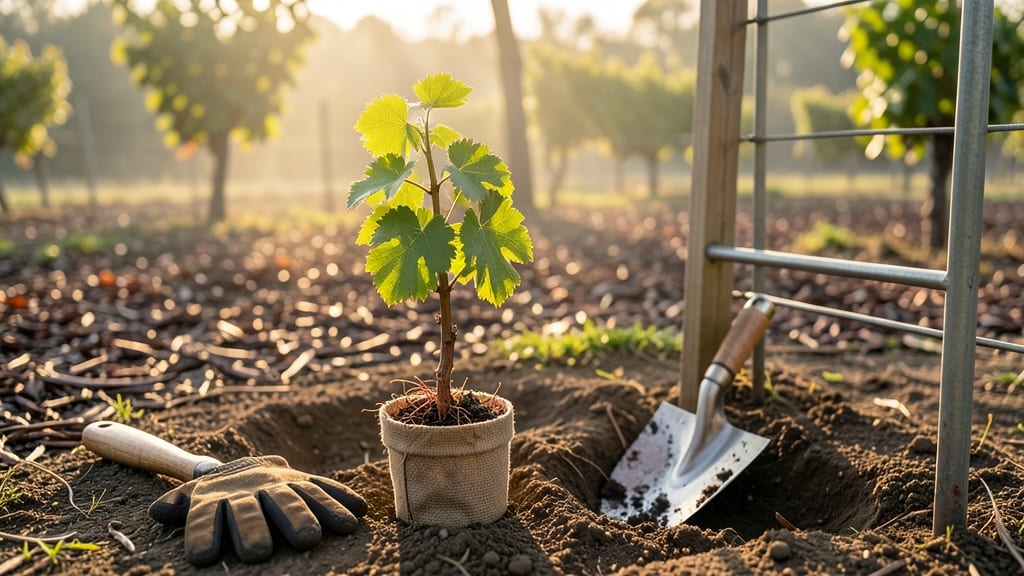
Planting grape vines in California at the wrong time can mean the difference between a thriving vineyard and years of frustration—especially when you consider the state’s diverse microclimates.
Whether you're growing wine grapes in Napa’s foggy hills or table grapes in the Central Valley’s heat, timing isn’t just about seasons—it’s about matching your variety to the perfect window for strong root growth.
Most California gardeners know winter is ideal for bare-root vines, but did you know coastal regions like Zone 9-11 can plant as late as early spring? Meanwhile, inland valleys in Zone 8-10 need to get vines in the ground by February to avoid early frost.
The key? Understanding your local frost dates and soil temperatures—because even a few degrees can make or break your first year.
I’ve helped countless growers navigate these challenges, and what I’ve learned is that preparation is everything. From amending clay-heavy soils in the Central Valley to ensuring proper drainage in desert Zone 9b-11 areas, the right steps before planting set the stage for vines that flourish.
Let’s break down exactly when—and how—to plant for the best possible start.
You’ll discover the best months for your region, variety-specific tips, and common pitfalls to avoid. Whether you’re a backyard gardener or a small-scale farmer, these insights will help you plant with confidence—and watch your 🍇 grape vines thrive from day one.
Best planting months for grape vines in California by region
California’s diverse climate means grape vine planting times vary dramatically from cool coastal regions to hot inland valleys. The ideal window for most varieties is late winter to early spring, but timing depends on your USDA zone and microclimate.
In Northern California (Zones 8-9), plant between February and March to avoid late frosts, while Southern California (Zones 10-11) allows planting year-round for container-grown vines.
For bare-root vines, the dormant season (December-February) is perfect—they establish roots before spring growth. Container-grown vines, however, adapt better to mild coastal winters and can be planted as late as May in Zone 10+.
Always check your last frost date: Zone 8 areas (e.g., Sacramento) risk frost until March 15, while Zone 11 (e.g., Palm Springs) has no frost risk.
Here’s how to match your region, variety, and planting window for maximum root growth and fruit production:
In Northern California, Cabernet Sauvignon thrives when planted in February, giving roots time to establish before spring heat. Coastal areas like Sonoma benefit from January plantings to avoid fog-related fungal risks later in the season.
Meanwhile, Southern California’s Thompson Seedless grapes can handle year-round planting but peak in February-April for optimal fruit set.
Pro tip: Use a soil thermometer to confirm soil temperatures are above 50°F (10°C) before planting. Cooler soils delay root growth, while warmer soils (60°F+) encourage faster establishment. In drought-prone areas like the Central Valley, plant in early spring to align with natural rainfall patterns and reduce irrigation needs.
For container-grown vines, timing is less critical—plant anytime in Zones 10-11, but avoid peak summer heat (June-August) when transplant shock risks rise. If you’re in Zone 9 (e.g., Los Angeles), March-April is ideal for balancing growth and water availability.
One critical mistake is planting too early in frost-prone zones. Young vines can’t survive below 20°F (-7°C), so wait until after your last frost date. Check the USDA Plant Hardiness Zone Map for your exact location—Sacramento (Zone 8) is riskier than Santa Barbara (Zone 10).
Finally, adjust for elevation: Mountain regions like Napa’s Mayacamas Range may need later plantings (April-May) due to cooler microclimates. Always observe local vineyards in your area—they’re your best guide for region-specific timing.
🌱
How to prepare soil and choose varieties for strong root growth
Preparing your soil for grape vines is the foundation of success—especially in California, where clay-heavy Central Valley soils and sandy desert areas require different approaches. Most grape varieties thrive in well-draining soil with a pH between 6.0 and 7.0.
If your soil is compacted or waterlogged, amending with compost or aged manure improves aeration and nutrient retention.
For coastal regions like Santa Barbara or Sonoma, focus on organic matter to retain moisture during dry summers. In contrast, inland valleys need extra drainage to prevent root rot—mix in coarse sand or perlite if your soil feels heavy when squeezed.
Test your soil’s pH before planting; grape vines are sensitive to extremes, and adjusting with lime (to raise pH) or sulfur (to lower pH) can make all the difference.
Key Takeaways for Soil Prep
Choosing the right grape variety is just as critical as soil prep. Wine grapes like Cabernet Sauvignon or Syrah need deep, fertile soil to develop robust roots, while table grapes such as Thompson Seedless adapt better to drier conditions.
For cooler coastal areas, opt for varieties like Pinot Noir, which matures earlier. In hot inland valleys, heat-tolerant Zinfandel or Grenache shine.
Dwarf or semi-dwarf varieties are ideal for home gardens, as they’re easier to manage on trellises. If you’re planting in containers, choose compact varieties like Concord or Muscat and ensure your pots have drainage holes.
Remember, grape vines are permanent investments—once planted, they’ll thrive for decades, so pick a variety that suits your climate and space.
After amending your soil, create a planting hole twice as wide as the root ball but no deeper. Mix the removed soil with compost and place the vine so the graft union (if present) sits 2–3 inches above ground level.
Backfill gently, tamp down lightly, and water deeply to eliminate air pockets. Mulching with straw or wood chips helps retain moisture and regulates soil temperature—critical for young vines.
In my experience, the first 60 days after planting are make-or-break for root establishment. Keep the soil consistently moist (but not soggy) and avoid heavy pruning in the first year.
With the right soil prep and variety choice, your grape vines will develop a strong root system that supports decades of fruit production—no matter where you are in California.