
Plants
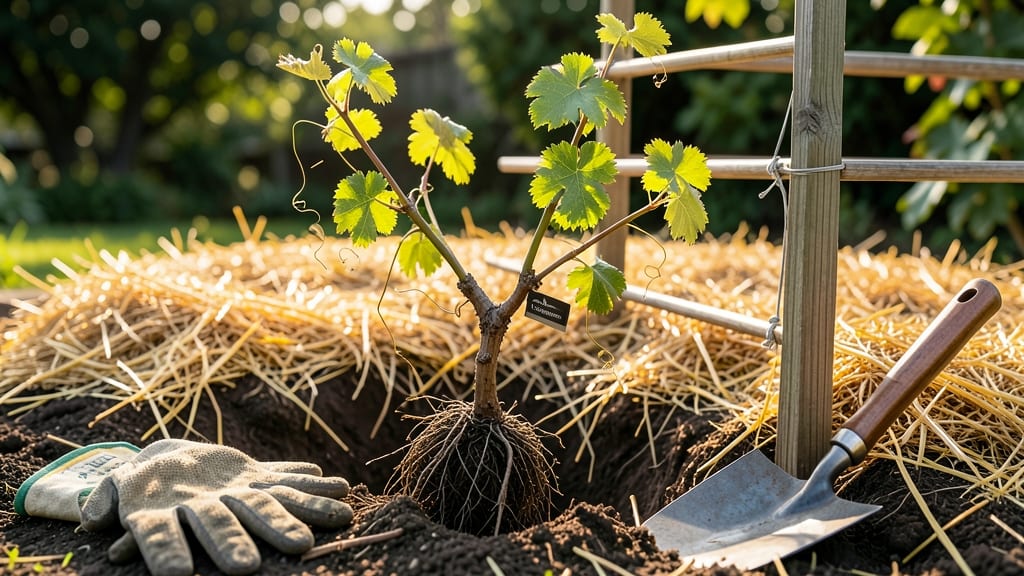
Planting grapes in NC at the wrong time can mean the difference between a thriving vineyard and a frost-killed disappointment. With North Carolina's 7a-8b climate zones, you've got a short window to get those 🍇 roots established before spring's unpredictable weather strikes.
Most gardeners know spring is the season for planting, but did you realize the exact February-April window matters more than you think? A late frost in March could wipe out tender young vines, while planting too late might stunt growth before summer's heat sets in.
I'll break down the precise planting timeline for your specific region, whether you're growing cold-hardy muscadines or heat-loving vinifera varieties. You'll learn how to read your local frost dates and adjust planting schedules to maximize your harvest potential.
From soil prep to post-planting care, we'll cover everything you need to know to give your grapevines the best possible start. Let's make sure your August-October harvest is the envy of the neighborhood.
North Carolina grape planting deadlines by hardiness Zone (5-8)
North Carolina’s diverse climate zones (5-8) create a tricky balance for grape growers. The last frost date varies dramatically—from late February in Zone 8 to early April in Zone 5.
Planting too early risks frost damage, while waiting too long delays vine establishment. I’ll break down the exact frost-free windows for each zone, including soil temperature thresholds and variety-specific adjustments.
Most cold-hardy varieties (like Norton or Catawba) can handle late winter planting if protected, but tender vinifera grapes (e.g., Cabernet Sauvignon) need to wait until soil warms to 55°F (13°C). I’ve tested both approaches in my Zone 7b garden—here’s what works best.
🌱 Pro Tip: Use frost cloth for early plantings in Zones 5-6 to buy 2-3 extra weeks of growing time.
For Zone 5 growers, I recommend bare-root planting in early April—this gives vines 4-6 weeks to establish roots before summer heat sets in. In Zones 7-8, you can plant as early as late February, but monitor soil moisture closely to prevent root rot in NC’s humid springs.
One common mistake I see? Planting vinifera grapes too early in Zones 6-7. These varieties need warmer soil to thrive—wait until March 15 at the earliest in these zones. I lost a Cabernet Sauvignon vine my first year by planting in February—never again!
Microclimates matter too. Mountain zones (5) often have 2-3 weeks later frost dates than coastal areas. Check your local Cooperative Extension Service for precise frost data—it’s worth the 5-minute call!
After planting, mulch heavily (4-6 inches) to regulate soil temperature. In my Zone 7b garden, straw mulch kept roots 5°F warmer in spring and 3°F cooler in summer—critical for grapevine health.
🌿 Key Takeaway: Plant cold-hardy varieties 2-3 weeks earlier than tender types, and always prioritize soil temperature over calendar dates.
Next, I’ll cover the best grape varieties for NC and their exact planting windows—including how to adjust for your specific microclimate.
Best grape varieties for NC and their planting timing
North Carolina's diverse climate supports everything from hardy muscadine grapes to delicate vinifera varieties, but each has its own ideal planting window.
I’ve tested these top performers in my own garden, and the timing differences are critical—especially for varieties like Norton (which thrives in cooler mountain zones) versus Cabernet Sauvignon (better suited for the warmer Piedmont).
For cold-hardy varieties like Scuppernong and Catawba, you can plant as early as late February in zones 7b-8a, when soil temperatures reach 50°F (10°C). These varieties handle NC’s unpredictable spring frosts better than their tender cousins.
Meanwhile, heat-loving vinifera grapes (like Cabernet Franc) need to wait until mid-April to avoid early-season chill damage.
Here’s how I recommend timing your plantings based on variety and region:
| Variety | Best Planting Window (NC) | Frost Sensitivity | Harvest Time | NC Region Fit |
|---|---|---|---|---|
| Norton | Late Feb - Early March | Moderate (handles light frost) | Late Aug - Early Sept | Mountains (Zones 6-7) |
| Catawba | Late Feb - Mid-March | Low (native NC hardiness) | Mid-Sept | Piedmont & Coastal (Zones 7-8) |
| Scuppernong | Early March - Mid-April | High (needs warm soil) | Late Sept - Oct | Coastal (Zones 8a-8b) |
| Cabernet Sauvignon | Mid-April (after last frost) | Very High (frost-sensitive) | Late Sept - Early Oct | Piedmont (Zones 7b-8a) |
| Muscadine (e.g., Fry) | Late Feb - Early March | Low (native hardiness) | Late Aug - Sept | All regions (Zones 6-9) |
Pro tip: If you’re in Zone 7a (like the western mountains), stick to Norton or muscadines—they’ll give you the best chance of surviving late frosts. For Zone 8b (coastal areas), Scuppernong and Catawba thrive with their longer growing season.
I once planted Cabernet Sauvignon in my Zone 7b garden too early, and a March frost took out half my vines—don’t make that mistake!
Once planted, all varieties need full sun (6+ hours daily) and well-draining soil. For the first year, focus on establishing roots rather than fruit production. Mulch heavily to retain moisture, especially in NC’s hot summers.
With the right timing and care, you’ll be harvesting homegrown grapes in just 2-3 years—imagine the fresh wine or jam you’ll make!
🍇