
Plants
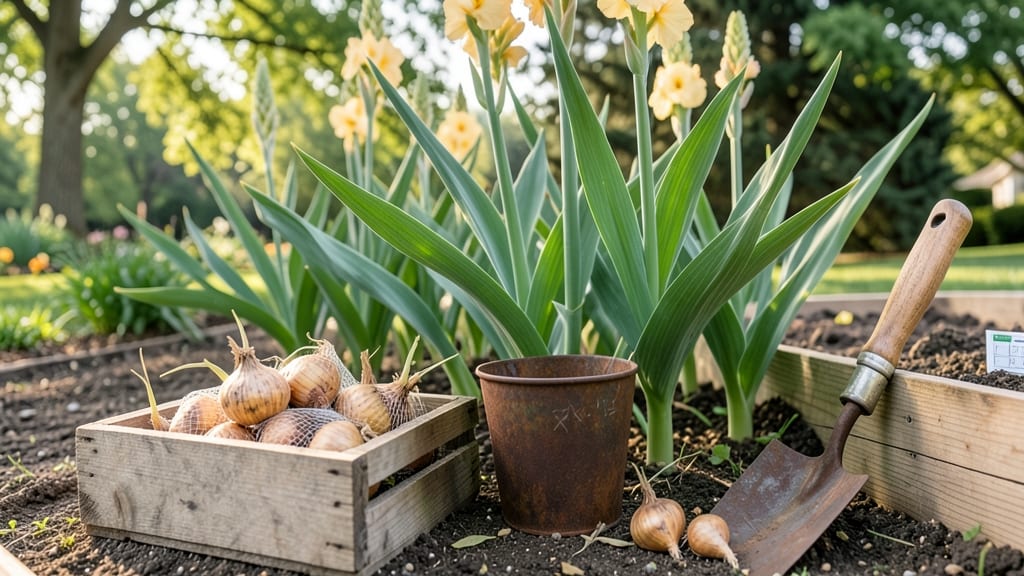
Timing is everything when it comes to planting gladiolus bulbs in Georgia, and getting it wrong could mean the difference between stunning 🌸 blooms and wasted effort. Georgia’s varied climate—from the warm coastal plains to the cooler mountain regions—means your neighbors might be planting while you’re still bundling up.
The key is knowing exactly when to put those bulbs in the ground to avoid frost damage or scorching heat.
Most gardeners in Georgia’s 7b-8b zones focus on two main windows: late winter through early spring and again in early fall. But here’s the catch—planting too early in the mountains or too late in the south can throw off your entire growing season.
I’ll break down the exact months for each microclimate so you can time it perfectly, whether you’re in the Piedmont or the coastal plains.
Why does this matter? Because gladiolus bulbs need consistent warmth to thrive, and Georgia’s unpredictable weather can throw a wrench in even the best-laid plans. By following the right schedule, you’ll ensure your bulbs get a strong start, leading to those show-stopping summer blooms you’ve been dreaming of.
Let’s get into the details so you can plant with confidence.
From soil temperature thresholds to adjusting for early or late blooms, I’ve got the insider tips to help you avoid common mistakes. Whether you’re a seasoned gardener or just starting out, these strategies will set you up for success—no guesswork required.
Ready to transform your garden with 🌸 gladiolus that steals the show?
Georgia’s 7 microclimate zones & ideal gladiolus planting months
Georgia’s 7 distinct microclimates create unique challenges for gladiolus growers. From the coastal Zone 8a with its mild winters to the mountainous Zone 6b where frost lingers, timing is everything.
I’ve broken down the optimal planting windows for each zone based on soil temperature and frost-free dates to ensure your gladiolus thrive.
Gladiolus bulbs need soil temperatures above 60°F to establish roots. In Georgia’s Zone 7b Piedmont region, this typically happens by mid-March, while coastal Zone 8a gardeners can plant as early as late February. Meanwhile, North Georgia’s Zone 6b requires waiting until late April to avoid frost damage.
Below is your zone-by-zone planting schedule, including soil prep tips and frost risk alerts. Use this as your gladiolus planting calendar to time it perfectly for summer-long blooms.
| Zone | Planting Window | Soil Temp Threshold | Key Considerations |
|---|---|---|---|
| Zone 8a (Coastal) | Late February - Early March | 60°F+ | Humidity risk; use raised beds |
| Zone 7b (Piedmont) | Mid-March - Early April | 60°F+ | Clay soil; amend with compost |
| Zone 7a (Central GA) | Early April | 60°F+ | Moderate frost risk; cover bulbs |
| Zone 6b (North GA) | Late April - Early May | 65°F+ | Late frost danger; wait until after May 1 |
| Zone 7b (Fall Planting) | August - Early September | 70°F+ | Establish roots before heat stress |
| Zone 8a (Fall Planting) | September - Early October | 75°F+ | Avoid planting too late; bulbs need root growth |
For Zone 8a coastal gardeners, planting in late February gives you a 3-month head start on blooms compared to Zone 6b mountain growers, who should wait until late April.
The key is monitoring soil temperature—gladiolus bulbs won’t sprout until the ground reaches 60°F consistently for 5+ days.
In Zone 7b Piedmont, where clay soil dominates, I recommend amending beds with compost before planting. This improves drainage and prevents bulb rot, a common issue when bulbs sit in soggy soil.
For North Georgia’s Zone 6b, use black plastic mulch to warm soil faster and protect against late spring frosts that can occur as late as May 1.
Fall planting is also critical in Georgia. Zone 7b gardeners should plant in August to establish roots before winter, while Zone 8a coastal areas can extend planting until early October.
The goal is to give bulbs 6-8 weeks of root growth before first frost (typically November 15 in most zones).
Pro tip: Use gladiolus corms (not bulbs) for fall planting—they’re more heat-tolerant and establish faster. I’ve found ‘Green Gables’ and ‘Picasso’ varieties perform best in Georgia’s heat, with vibrant blooms from July through September when planted correctly.
Remember, gladiolus thrive on consistency. Once planted, maintain even moisture and full sun exposure (6+ hours daily). In Zone 8a’s humidity, I space plants 6 inches apart with good airflow to prevent fungal diseases like botrytis.
In drier Zone 7b Piedmont, you can plant 4 inches apart for a denser display.
For first-time Georgia growers, start with 3-5 bulbs per zone to test your timing. Keep a planting journal noting when you planted, soil temps, and bloom dates.
This helps refine your schedule for future seasons—because in Georgia, perfect timing is the difference between vibrant summer blooms and stunted growth.
How to adjust planting dates for early vs. late blooms in Georgia
Want continuous gladiolus blooms all summer? The trick is staggered planting—spreading out your bulbs by 4-6 weeks to extend your flower show. In Zone 7b (Piedmont), for example, I plant my first batch in early March for June blooms, then follow up in mid-April for August flowers.
This simple strategy adds 6+ weeks of vibrant blooms to your garden!
For southern Georgia (Zone 8a), where winters are milder, you can even squeeze in a fall planting in late August for holiday-season blooms. Heat-tolerant varieties like 'Red Beauty' or 'White Friendship' thrive in these conditions, while northern zones should stick to spring-only plantings to avoid frost damage.
Here’s my 3-step