
Plants
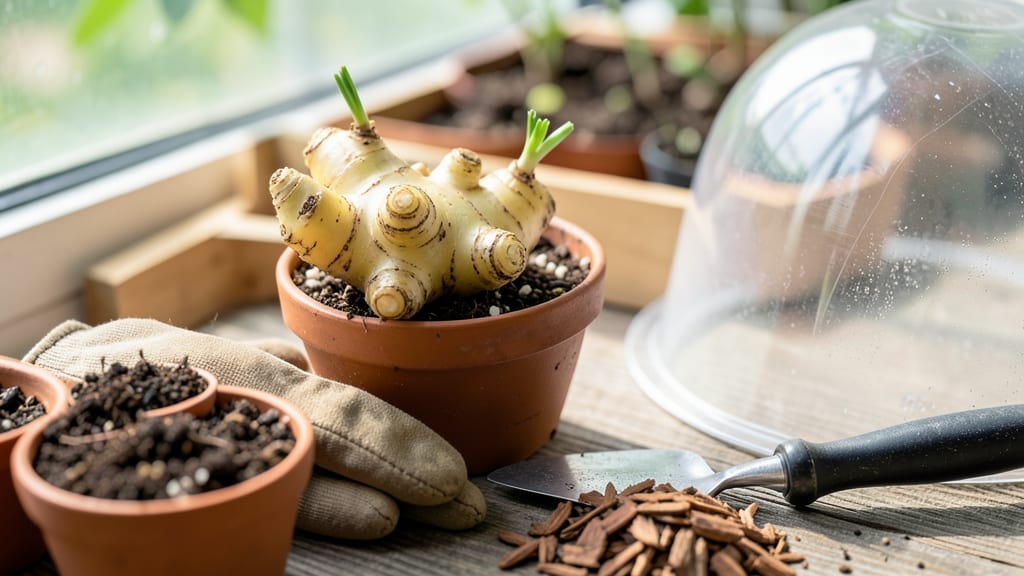
If you’ve ever tried growing ginger 🌿 in California and ended up with stunted plants or bitter rhizomes, timing is the secret you’ve been missing.
Planting at the wrong time—whether too early and risking frost or too late and stressing the roots—can make all the difference between a bountiful harvest and a wasted effort.
California’s diverse climates mean there’s no one-size-fits-all answer, but the key is understanding your region’s microclimate. Coastal areas like San Francisco (USDA Zone 10) can plant year-round, while inland valleys like Sacramento (Zone 9) need to wait until after the last frost in February or March.
Desert regions like Palm Springs (Zone 10b-11) have their own sweet spot for success.
What you’ll discover here are the exact months to plant for zero-frost success, plus how to adjust for heat spikes and soil conditions.
Whether you’re a coastal gardener with mild winters or an inland grower dealing with unpredictable springs, these insights will help you learn how to time your ginger planting for the best possible yield.
Ready to unlock the full potential of your ginger patch? Let’s dive into the ideal planting windows tailored to your California zone—and why getting it right means the difference between a handful of rhizomes and a harvest you’ll actually enjoy.
Best months to plant ginger in California (by region)
California’s diverse climates mean ginger planting times vary wildly—from year-round coastal growing to strict spring windows inland. The key is avoiding frost (which kills ginger) while ensuring soil stays warm enough for root growth. Let’s break it down by region so you plant at the perfect moment.
Coastal areas like San Francisco (USDA Zone 10) and Santa Barbara (Zone 10b) have no frost risk, letting you plant ginger rhizomes any month.
But inland valleys like Sacramento (Zone 9) or deserts like Palm Springs (Zone 10b-11) demand precision—wait until after last frost dates (Jan 15–Feb 15) to guarantee success.
| Region | USDA Zone | Best Planting Window | Soil Temp Goal | Harvest Window |
|---|---|---|---|---|
| Coastal (SF, LA, Santa Barbara) | 10-11 | Year-round (best: Feb–Apr) | 60°F+ (15°C+) | Oct–Dec (9–12 months) |
| Inland Valleys (Sacramento, Fresno) | 9 | Feb 15–Apr 15 (after frost) | 65°F+ (18°C+) | Oct–Dec (9–12 months) |
| Desert (Palm Springs, Coachella) | 10b-11 | Feb–Mar (avoid summer heat) | 70°F+ (21°C+) | Nov–Jan (9–12 months) |
For coastal gardeners, February through April is ideal—rhizomes sprout quickly in 60°F+ soil, and you avoid summer heat stress.
Inland areas must wait until after last frost (Feb 15) to prevent frost damage, while desert zones like Palm Springs should plant in February–March to escape the brutal summer sun.
Pro tip: Use a soil thermometer to confirm temperatures—ginger rhizomes need consistent warmth to root. If soil is below 60°F (15°C), wait a week or two. Coastal gardeners can even plant in late summer (August–September) for a winter harvest, but inland zones should avoid this risk.
Harvest timing depends on your region too. Coastal plantings often yield by October–December, while inland ginger may need until January to mature fully. Watch for yellowing leaves—this signals rhizomes are ready to dig!
Container growers have flexibility: Move pots indoors during heatwaves or cool snaps to extend the season. Just ensure pots have drainage holes and use well-draining potting mix to prevent root rot.
Remember, ginger thrives in partial shade—especially in inland areas where afternoon sun can scorch leaves. Pair it with hostas or ferns for natural shade or use shade cloth (30%) in summer.
Start with organic rhizomes from a trusted nursery (avoid grocery store ginger—it’s treated to prevent sprouting). Cut larger rhizomes into 1-inch chunks, ensuring each has at least one "eye" (bud) for faster growth.
With the right timing, your California ginger harvest could be the juiciest, most aromatic of the year—just imagine fresh rhizomes ready by Thanksgiving! 🌱
Best months to plant ginger in California (by region)
California’s diverse microclimates mean your ginger planting window depends entirely on where you live. Coastal areas like San Francisco 🌊 (USDA Zone 10) enjoy frost-free growing year-round, while inland valleys like Sacramento 🏞️ (Zone 9) face frost risks until mid-February.
Desert regions like Palm Springs 🏜️ (Zone 10b-11) have their own ideal timing to avoid summer heat stress.
For coastal gardeners, the best months to plant ginger rhizomes are February through June—this gives your plants 9-12 months to mature before harvest. Inland growers should wait until after the last frost, typically late February to early April, to ensure zero frost damage.
Desert regions benefit from planting in late summer (August-September) to take advantage of cooler temperatures before winter.
Here’s a quick reference for your region’s perfect planting window:
| Region | USDA Zone | Best Planting Months | Key Consideration |
|---|---|---|---|
| Coastal (San Francisco, Santa Barbara) | 10-11 | February–June | No frost risk; year-round planting possible. |
| Inland Valleys (Sacramento, Fresno) | 9 | Late February–Early April | Wait for last frost; avoid spring heat spikes. |
| Desert (Palm Springs, Joshua Tree) | 10b-11 | August–September | Escape summer heat; plant for winter harvest. |
Timing isn’t just about avoiding frost—it’s also about harvest windows. Planting in February or March in inland zones ensures rhizomes mature by October or November, when temperatures are still warm enough for growth.
Coastal gardeners can plant as late as June and still harvest year-round, thanks to mild winters.
Pro tip: Soil temperature matters just as much as air temperature. Ginger rhizomes need soil that’s at least 60°F (15°C) to sprout. Use a soil thermometer 🌡️ to check before planting—especially in inland areas where nights can still be chilly in early spring.
If you’re in a transition zone (like the Bay Area’s East Bay), err on the side of planting a month earlier than inland recommendations. Microclimates here can vary drastically between urban and rural areas, so observe your garden’s specific conditions for the first few years.
Ready to plant? Mark your calendar for your region’s ideal window—and don’t forget to prep your soil with compost and organic matter to give your ginger rhizomes the rich, well-draining environment they crave. 🌱