
Plants
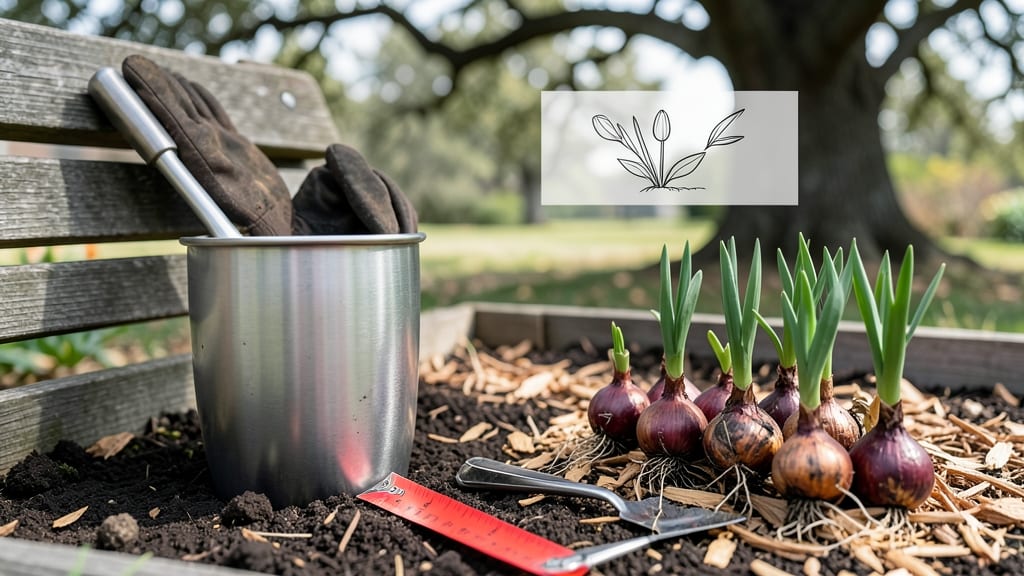
Planting tulips in Oklahoma at the wrong time can mean no blooms next spring—but with the right timing, you’ll get vibrant 🌷 flowers that thrive despite the state’s 6b-7a climate. The key? Getting those bulbs in the ground between October and November, when soil temps drop but frost hasn’t arrived yet.
Oklahoma’s unpredictable winters make timing everything. Plant too early, and your bulbs might sprout before the first frost; too late, and they won’t establish roots before dormancy.
I’ll show you exactly when to plant in your specific zone, plus how to prep soil and protect your tulips from Oklahoma’s mid-November freezes.
Most gardeners in 6b-7a zones aim for late October, but local frost dates can shift that window. We’ll cover the signs your planting is on track—like 4-6 inches of foliage by March—so you avoid common mistakes that kill tulips before they bloom.
Ready to grow tulips that outlast Oklahoma’s weather? Let’s dive into the exact months, soil tips, and frost-proofing tricks that’ll turn your fall planting into a spring spectacle.
Oklahoma tulip planting calendar by USDA Zone (exact months for best results)
Oklahoma spans USDA Zones 6b-8a, meaning your tulip planting window varies by region. Northern areas (like Oklahoma City) have shorter frost-free periods, while southern regions (like Tulsa) enjoy longer growing seasons.
The key is planting 4-6 weeks before the first hard frost—typically mid-October to early November—when soil temps drop to 50-60°F.
For Zone 6b (northwest OK), aim for late September to mid-October to avoid early frosts. In Zone 7a (central/southern OK), you can plant until early November safely. Always check local frost dates—Oklahoma’s first frost typically arrives mid-November, but it can vary yearly.
| USDA Zone | Ideal Planting Window | Soil Temp Threshold | First Frost Date | Notes |
|---|---|---|---|---|
| Zone 6b (Northwest OK) | Late September - Mid-October | 50-60°F | Mid-November | Shortest window; prioritize early planting. |
| Zone 7a (Central OK) | Mid-October - Early November | 50-60°F | Late November | Flexible timing; later plantings still work. |
| Zone 8a (Southeast OK) | October - Mid-November | 55-65°F | December | Longest window; can plant into December. |
Pro tip: Use a soil thermometer to confirm temps. Tulip bulbs need 4-6 weeks of cool soil to root before winter. If you plant too early (e.g., August-September), bulbs may sprout prematurely and get frost-damaged. Conversely, planting after November risks bulbs not establishing roots before freeze.
Oklahoma’s unpredictable weather means even late plantings can succeed if bulbs are hardy varieties like Darwin Hybrids or Fosteriana. These tolerate colder temps better than fragile Parrot tulips. Always plant bulbs 6-8 inches deep—deeper in sandy soils, shallower in clay—to protect them from temperature swings.
For container planting, adjust timing slightly later (by 1-2 weeks) since pots warm faster. Place containers in ground-level beds or bury them in soil for winter insulation. Water containers weekly until ground freezes to keep soil moist but not soggy.
If you miss the fall window, don’t panic! Tulips can be planted in early spring (March), but blooms will arrive 1-2 weeks later than fall-planted bulbs. Spring planting works best for small bulbs or replacement flowers—just expect smaller blooms.
After planting, mulch heavily (3-4 inches) with straw or leaves to insulate bulbs. Remove mulch in early spring (March) to allow sunlight to trigger blooming. In Oklahoma’s Zone 7a/8a, you can even plant tulips in December if soil temps stay above 40°F.
Remember: Tulips need cold dormancy to bloom. If Oklahoma experiences an unusually warm winter, bulbs may sprout early and get damaged by late frosts. Monitor weather forecasts and adjust planting dates if needed.
Critical signs your Oklahoma tulip planting timing is wrong (and how to fix it)
Even with the perfect October-November planting window, Oklahoma’s unpredictable frost dates can throw off your tulips. One telltale sign your timing is off? Foliage sprouting before the first frost—this weakens bulbs and often kills them before spring.
If you see green shoots in late September or October, your bulbs went in too early.
Another red flag: No bud formation by late winter (around February). This usually means the bulbs didn’t establish roots before dormancy. In Oklahoma’s 6b-7a zones, aim to plant when soil temps hit 50-60°F—use a soil thermometer to check.
If buds appear but stay closed or wilt, your bulbs may have frost damage from planting too late.
Here’s a quick