
Plants
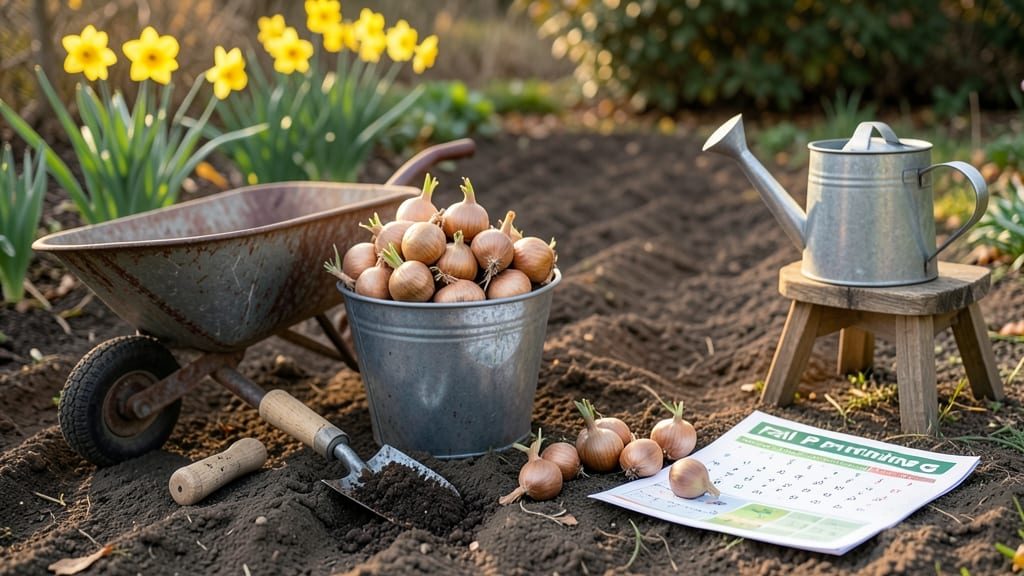
If you’ve ever wondered when to plant daffodils in California, timing is the secret to those vibrant 🌼 blooms popping up year after year—without freezing or rotting in the soil.
The Golden State’s diverse microclimates mean coastal gardeners and inland growers don’t follow the same schedule, and getting it wrong can mean the difference between a showstopping spring display and a wasted bulb.
Most California gardeners know fall is the magic window, but the exact months depend on where you live.
In milder coastal zones like San Diego (Zone 10), you can plant as late as December, while inland areas like Sacramento (Zone 7) need bulbs in the ground by early November to avoid winter damage.
Even a 2-week difference can shift your blooms from March to May—or leave them struggling to survive.
What you’ll discover here is how to match your planting schedule to your local frost dates, soil type, and even elevation. Whether you’re a first-time gardener or a seasoned pro, these zone-specific tips will help you plant with confidence—so you’re not left scrambling when the first frost hits.
Let’s get those 🌼 bulbs in the ground the right way.
The best part? Once you nail the timing, daffodils practically take care of themselves—pushing through winter’s chill to reward you with cheerful blooms that brighten up every spring. Ready to turn your garden into a zero-frost bloom machine? Let’s break it down by region.
California planting zones for daffodils: months by coastal vs. inland climates
California’s diverse climate means daffodil planting times can vary by 100+ days between coastal and inland regions. While Southern California gardeners in USDA Zones 9-10 can plant as late as December, those in Zone 7 valleys (like Sacramento) must plant by November 1st to avoid winter freezes.
The key is planting 6-8 weeks before your first frost—but California’s microclimates complicate things.
Coastal areas like San Francisco (Zone 9) enjoy mild winters with rare frosts, while inland Central Valley zones (5-7) experience 20°F drops. Even Los Angeles (Zone 10) has cooler inland pockets where timing matters.
Let’s break down the exact months for each region, plus soil prep tips to ensure your bulbs thrive.
🌱 Pro Tip: Use your local National Weather Service frost calendar—not just USDA zones—to pinpoint your last frost date. Most California counties publish these annually.
| Region | USDA Zone | Ideal Planting Window | Soil Prep Tip | First Frost Avg. |
|---|---|---|---|---|
| Northern Coastal (San Francisco, Santa Cruz) | 9-10 | October 15–December 15 | Amend sandy soil with compost (20%) for water retention. | December 15 |
| Central Coast (Monterey, Santa Barbara) | 8-9 | October 1–November 30 | Test for clay content; add perlite if compacted. | November 20 |
| Southern California (LA, San Diego) | 10-11 | November 1–December 31 | Mulch with straw to prevent winter rains from displacing bulbs. | December 31 (rare) |
| Central Valley (Sacramento, Fresno) | 7-8 | September 15–October 31 | Plant in raised beds if soil stays soggy in winter. | January 1 |
| Inland Mountains (Lake Tahoe, Mammoth) | 5-6 | August 15–September 30 | Use gravel mulch to insulate bulbs from freezing. | October 15 |
Notice how inland zones plant 2-3 months earlier than coastal areas? That’s because Central Valley and mountain regions experience harder frosts, while coastal daffodils can handle milder winters. Even within Los Angeles County, inland areas like Antelope Valley (Zone 8) need earlier planting than Malibu (Zone 10).
For container gardening, adjust your timeline by 2-4 weeks later—potted bulbs warm up faster and may need extra chill time. Place containers in a garage or shed for 4-6 weeks post-planting if your winter stays too mild. This mimics the natural frost cycle daffodils need to bloom.
One common mistake is assuming all of California is frost-free. Even Zone 10 areas like Palm Springs can dip below 32°F in December. Check your local almanac—some inland desert pockets plant by November 1st to be safe.
Overplanting in summer heat (June-August) is another no-no; bulbs rot when soil temps exceed 85°F.
After choosing your planting window, focus on soil drainage. Daffodils hate soggy soil—they’ll rot in clay or compacted ground. Mix in coarse sand or perlite if your soil feels heavy when squeezed. Aim for 6-8 inches of loose soil below the bulb to prevent waterlogging. In heavy rain zones (like Northern California), consider
California’s diverse climate means daffodil planting times vary dramatically from coastal San Diego (Zone 10) to inland Sacramento (Zone 7). The golden rule? Plant 6-8 weeks before your area’s first frost—this ensures bulbs root before winter chills. Coastal gardeners have a 3-month window (October-December), while inland zones must act by mid-November to avoid frost damage. For Southern California (Zones 9-10), like Los Angeles or San Diego, daffodils thrive when planted in November. Mild winters mean bulbs can handle light frosts, but avoid summer planting—heat stress kills bulbs before they root. In Central Coast (Zone 8-9), such as Santa Barbara, aim for October to early November to outpace early rains. Northern California’s cooler inland valleys (Zones 7-8), like the Sacramento Valley, demand earlier action. Plant between September 15 and October 31—this 6-week buffer accounts for November frost risks. Mountain regions (Zones 5-6), like Lake Tahoe’s foothills, need August-September planting to establish roots before first snow. 🌼 KEY INSIGHT: Coastal areas enjoy longer planting windows due to milder winters, while inland zones require precise timing to dodge frost. Always check your local frost date—the USDA Plant Hardiness Zone Map is your best friend. ✂️ Pro Tip: Use a bulb planter for precise depth (6" deep, 3x bulb width apart). Beyond planting months, soil prep makes or breaks success. California’s clay-heavy soils (common in inland areas) drain poorly—mix in organic matter like compost or coconut coir to prevent bulb rot. Coastal gardeners should focus on well-draining beds to handle winter rains without waterlogging. For container gardening, plant in well-draining pots with sand or perlite added to soil. Use terracotta pots for better drainage than plastic. Containers warm faster in spring, so delay planting until November to avoid premature sprouting in coastal zones. Remember: Daffodils need chill hours to bloom. In Zone 10 (no frost), plant ‘Paperwhite’ varieties—they bloom without cold treatment. For Zones 7-9, choose hardy varieties like ‘Ice Follies’ or ‘Tête-à-Tête’ for reliable spring color. Mark your calendar and plant before the holiday rush—bulbs sell out fast!California planting zones for daffodils: months by coastal vs. inland climates
🌱 California Daffodil Planting Guide by Zone
Zone
Region
Best Planting Months
Soil Prep Tip
9-10
Southern CA (San Diego, LA)
November
Amend clay soil with compost
8
Central Coast (Santa Barbara)
October-November
Add gravel for drainage
7
Sacramento Valley
September-October
Test pH (6.0-7.0 ideal)
5-6
Mountain Foothills
August-September
Mulch heavily after planting