
Plants
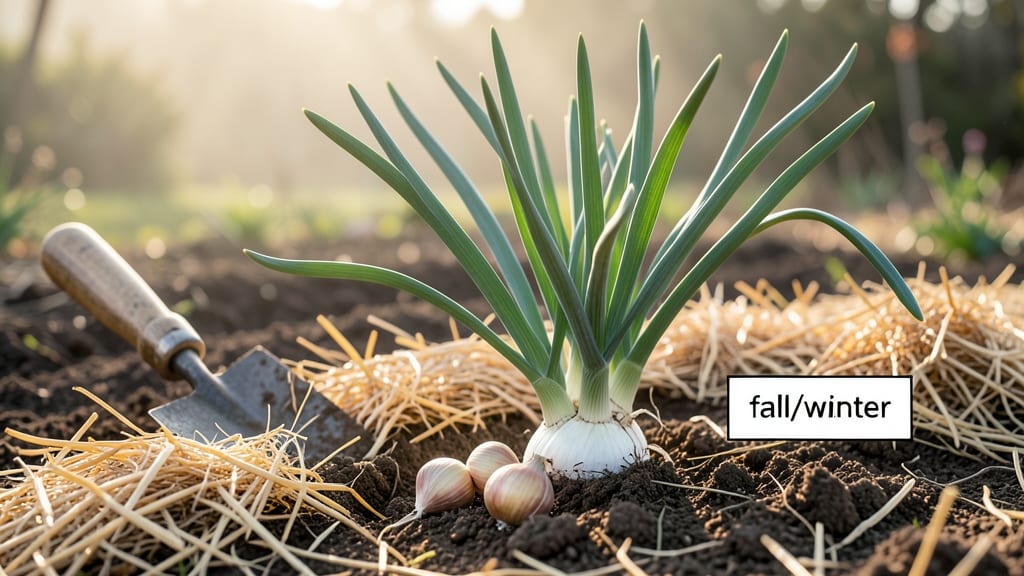
Planting garlic in Zone 10a isn’t just about timing—it’s about working with your mild winter climate to avoid the two biggest mistakes: bolting from heat stress or stunted bulbs from poor timing.
Unlike colder zones, you’ve got two perfect windows to plant 🧄, and choosing the wrong one could mean smaller harvests or even failed crops.
Most gardeners in Southern California or Phoenix assume garlic needs a cold snap, but your frost-free winters actually give you flexibility. The key is planting when soil temps drop just enough to trigger growth without lingering heat.
I’ll break down exactly when to plant for maximum bulb size—whether you’re aiming for fall’s cooler start or spring’s milder push toward harvest.
Here’s the game-changer: Fall planting (October–December) gives you a head start, while spring planting (January–February) lets you dodge winter rains. Both methods work in Zone 10a, but your location—coastal or inland—can shift the ideal window by weeks.
Let’s dive into the exact dates and soil prep tricks to guarantee plump, flavorful garlic every season.
Ready to stop guessing and start growing? You’ll walk away with a clear planting schedule, soil prep tips, and the best varieties for Zone 10a that thrive in your warm-but-not-too-hot winters. No more wasted cloves or bolted plants—just reliable harvests from April to June.
Zone 10A garlic planting calendar: optimal dates for fall vs. spring planting
Growing garlic in Zone 10A means working with a frost-free climate and mild winters, which changes the traditional planting rules. Unlike colder zones, you have two clear windows to plant: fall and spring.
Each offers unique advantages, but timing is critical to avoid heat stress or poor bulb formation.
The fall planting window runs from mid-October to December, aligning with cooler temperatures and shorter days. This mimics garlic’s natural dormancy cycle and ensures strong root development before summer heat arrives.
For spring planting, aim for January to early February—any later, and your crop may struggle with intense summer heat.
Here’s the key difference: Fall-planted garlic matures faster and produces larger bulbs, while spring-planted garlic avoids winter moisture risks but may yield smaller harvests. Both methods work in Zone 10A, but your choice depends on your local microclimate and harvest goals.
Zone 10A Garlic Planting Comparison
| Planting Window | Best Months | Ideal Soil Temp | Bulb Maturity | Harvest Time |
|---|---|---|---|---|
| Fall Planting | Mid-October–December | 55–65°F | Larger bulbs | April–June |
| Spring Planting | January–Early February | 60–70°F | Smaller bulbs | May–July |
Note: Coastal areas may extend fall planting into early January due to cooler ocean breezes.
For coastal Zone 10A (e.g., Los Angeles, San Diego), ocean breezes can push fall planting into early January safely. Inland areas like Phoenix or Palm Springs, however, should stick to October–November to avoid premature bolting from early warmth.
If you’re planting in December or later, use shade cloth during peak afternoon sun to protect young cloves. This mimics the cooler conditions garlic needs to establish roots before summer’s heat peaks. A simple 30% shade cloth can make the difference between thriving plants and stunted growth.
Spring planting in Zone 10A requires immediate attention to soil moisture. Unlike fall, spring’s dry winds and rising temperatures can dry out soil quickly. Water deeply every 5–7 days after planting to encourage root growth before the heat sets in.
Mulch with straw or wood chips to retain moisture and regulate soil temperature.
One critical mistake in Zone 10A is planting garlic in summer or late spring. Temperatures above 75°F trigger bolting (premature flowering), ruining bulb development. Always plant when daytime highs stay below 70°F to ensure strong, healthy growth.
For maximum yield, pair your planting window with well-draining soil and full sun exposure. Zone 10A’s intense sunlight can be a double-edged sword—while garlic loves sun, overheating soil stresses cloves. Amend your soil with compost or aged manure before planting to improve moisture retention and fertility.
Remember: Garlic is a cool-season crop, even in warm climates. The key to success in Zone 10A is planting when temperatures mimic its natural dormancy period, whether that’s fall’s cooler days or winter’s mild start. With the right timing, you’ll enjoy plump, flavorful bulbs year after year.
Zone 10A garlic planting calendar: optimal dates for fall vs. spring planting
In Zone 10a, garlic thrives with two distinct planting windows that align with your mild winter climate. Unlike colder zones, you don’t need a frost period—just cooler soil temps to kickstart growth.
My fall planting window runs from mid-October to December, while spring planting works from January to early February. These timelines prevent heat stress and ensure bulbs develop properly before summer’s intensity.
Your location within Zone 10a matters: Coastal areas like San Diego can plant slightly later (November–December) due to milder winters, while inland spots like Phoenix should aim for October–November to avoid early heat spikes. The key is planting when soil temps drop to 60–70°F—ideal for garlic germination without bolting.
Here’s the critical difference: Fall-planted garlic benefits from longer bulb development time before summer heat, while spring-planted garlic matures faster but may yield slightly smaller bulbs. Both methods work, but your choice depends on your harvest timeline and local microclimate.
| Planting Window | Best Months | Soil Temp Goal | Bulb Size Potential | Disease Risk |
|---|---|---|---|---|
| Fall Planting | Mid-October–December | 60–70°F | Larger bulbs (8+ cloves) | Low (dry winter) |
| Spring Planting | January–Early February | 65–75°F | Smaller bulbs (4–6 cloves) | Moderate (spring rains) |
*Adjust dates 1–2 weeks later for coastal areas, earlier for inland heat.
For fall planting, aim to have garlic established before December’s cooler temps. This gives bulbs 4–5 months of growth before summer heat stress kicks in. I’ve found that softneck varieties like ‘Artichoke’ or ‘Silverskin’ handle Zone 10a’s climate best—they’re heat-tolerant and store longer than hardnecks.
Spring planting is riskier but works if you’re short on space. Plant in January to harvest by June, but expect smaller bulbs due to compressed growth time.
Always choose organic cloves from last year’s harvest or a trusted nursery to avoid disease. Avoid planting after February, or your garlic will bolt prematurely.
Pro tip: Use a soil thermometer to confirm temps before planting. Garlic needs consistent moisture but hates soggy soil—amend your beds with compost and sand for drainage. Mulch with straw to retain moisture and protect cloves from winter heat spikes.