
Plants
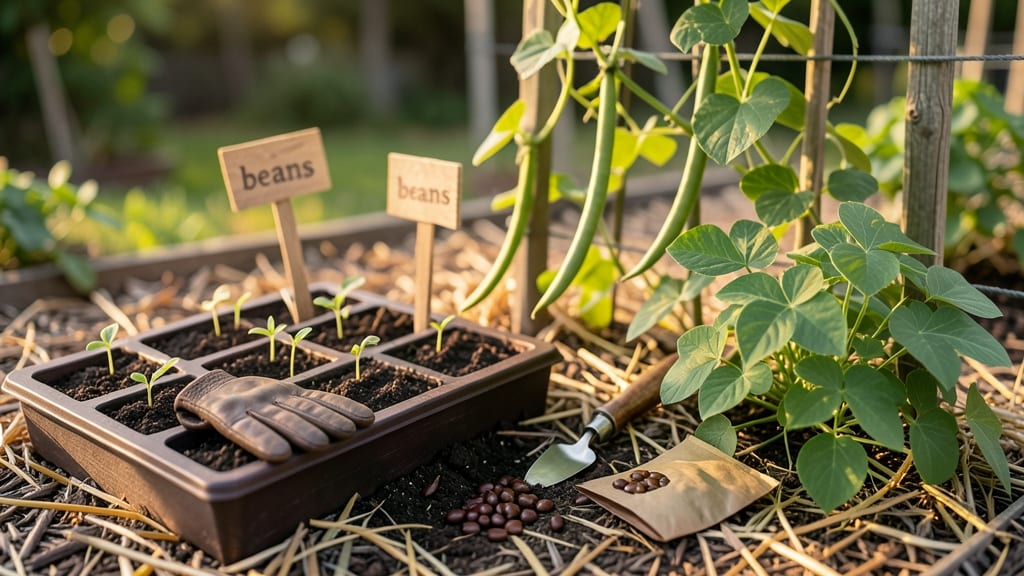
Timing your bean planting in Kansas can mean the difference between a bountiful harvest and a sad, wilted garden. With USDA zones 5b-7a and unpredictable weather patterns, knowing exactly when to plant 🌱 beans is the key to success.
Most Kansas gardeners wait until after the last frost—typically around April 15—to plant their beans, but there’s more to it than just dates. Soil temperature plays a crucial role, and rushing too early can leave your plants vulnerable to late frosts or stunted growth.
In this guide, I’ll break down the best planting windows for bush beans, pole beans, and specialty varieties, so you can avoid common mistakes and maximize your yield. Whether you’re a seasoned gardener or just starting out, these tips will help you grow beans that thrive in Kansas’ climate.
From soil prep to adjusting for fall varieties, you’ll learn everything you need to know to plant beans at the perfect time—no guesswork required.
Kansas bean planting calendar: exact dates by bean type
Kansas’ USDA Zone 6 climate demands precision when planting beans—miss the window, and you risk frost damage or stunted growth. The key is aligning your planting with soil temperatures above 60°F and frost-free dates, which typically range from late April to early May in most regions.
For fall varieties, aim for September 1-30 to ensure harvest before the first frost in late October.
Bush beans, pole beans, and specialty varieties like lima beans all thrive in Kansas but have slightly different planting windows. Bush beans, for example, are more forgiving and can handle cooler soils, while pole beans need warmer conditions to establish strong vines.
Always check your local last frost date—most Kansas counties average April 1, but microclimates in western Kansas may delay this by a week or more.
Here’s your Kansas bean planting calendar broken down by variety and season:
For bush beans, you can start seeds indoors 4-6 weeks before your last frost date to get a head start.
However, direct sowing is easier and just as effective once the soil warms up. Pole beans, on the other hand, benefit from a longer growing season, so planting them slightly later ensures their vines have enough time to mature before Kansas’ first frost in late October.
If you’re in western Kansas, where springs can be drier and cooler, consider using black plastic mulch to warm the soil faster. This technique can shave off 1-2 weeks from your planting timeline, giving you an earlier start.
Always test your soil’s moisture and temperature at a depth of 2 inches—this is where your seeds will germinate.
Pro tip: Use a soil thermometer to monitor temperatures. Beans won’t germinate well below 55°F, and waiting for 60°F+ ensures faster, more reliable sprouting.
In my Kansas garden, I’ve found that planting bush beans in early May and pole beans in mid-May gives me the best balance of frost safety and harvest timing.
For fall plantings, stick to varieties labeled for short-season growth, like Black Valentine or King of the Garden. These can handle cooler nights and still produce a 6-8 week harvest before frost. Just be sure to plant by September 15 to avoid rushing the crop.
Remember, Kansas’ unpredictable weather means flexibility is key. If a late frost threatens, have row covers ready to protect young seedlings. And if a heatwave hits early, mulch your plants to retain moisture and keep roots cool.
With the right timing, you’ll enjoy a bountiful bean harvest from June through October.
How to adjust planting for Kansas’ unpredictable weather
Kansas’ spring is famously fickle—one day it’s 60°F and sunny, the next a 28°F frost. This volatility makes timing your bean planting a high-stakes game. The key is flexibility: use soil thermometers and local frost alerts to fine-tune your schedule.
Even if your neighbor plants on April 15, your microclimate might need a two-week delay.
For extra protection, try row covers or black plastic mulch to warm soil faster. These tricks can shave off critical weeks, giving your beans a head start before the last frost. I’ve seen pole beans planted under row covers thrive when direct-sown beans failed nearby.
Don’t overlook fall planting either. Kansas’ shorter growing season allows for a late-summer harvest if you sow September 1-15. Choose fast-maturing varieties like ‘Blue Lake’ (50 days) to beat the first frost in October. Just remember: soil must stay above 50°F for germination.
Here’s my pro tip: Monitor the National Weather Service’s frost predictions for your county. Sign up for alerts from your local Cooperative Extension Service—they’ll notify you of 50°F nighttime temps, which can stunt young plants. A 10-day forecast is more reliable than guessing.
Even after the average last frost, cold snaps can linger. If nighttime temps drop below 50°F, cover seedlings with frost blankets or move pots indoors temporarily. Never skip this step—beans wilted by frost won’t recover.
For pole beans, which take longer to mature, consider starting seeds indoors 4-6 weeks before the last frost. Transplant seedlings when soil hits 60°F and nighttime temps stay above 55°F. I’ve had success with ‘Kentucky Wonder’ this way, even in Zone 6b where late frosts are common.
Adjust your watering too—drought stress weakens plants, making them more vulnerable to frost damage. Mulch with straw or grass clippings to retain moisture and moderate soil temps. In my garden, mulched beds stayed 5°F warmer overnight during spring’s rollercoaster weather.
Finally, keep an eye on heatwaves after planting. If temps hit 90°F+, beans may stop flowering. Provide afternoon shade with shade cloth or plant near taller crops like corn to break wind and retain coolness. With these adjustments, you’ll turn Kansas’ unpredictability into an advantage.