
Plants
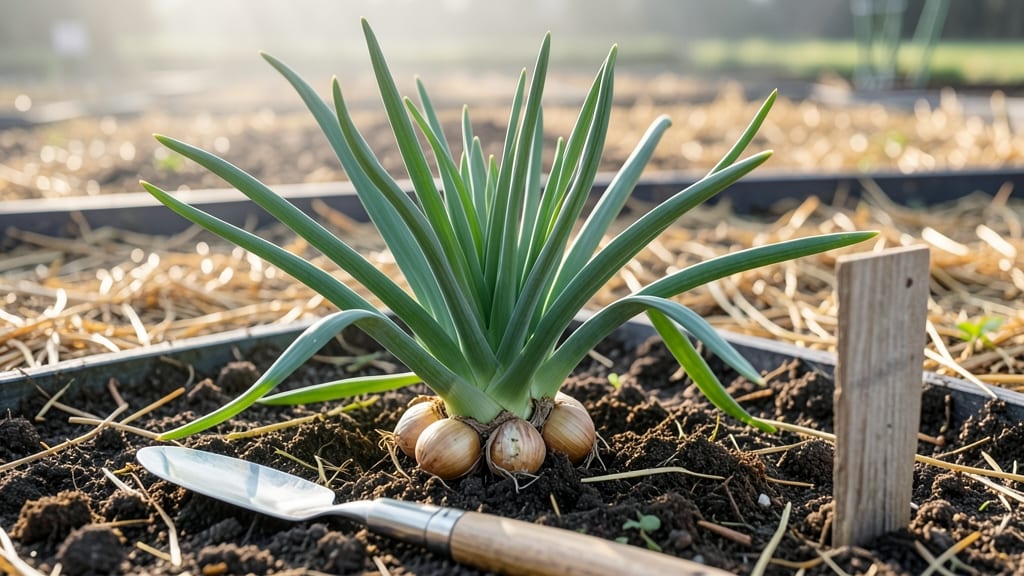
Timing your 🧄 garlic planting in Connecticut could mean the difference between a bumper crop of plump bulbs and a disappointing harvest—or worse, bitter-tasting cloves.
The key isn’t just planting in fall (though that’s the golden window), but nailing the exact 4-6 week window before the ground freezes for hardneck and softneck varieties alike.
Here’s the truth: Connecticut’s USDA zones 5b-6b give you a narrow but critical planting window between mid-October and early November. Miss it, and you risk bolting (those unwanted flower stalks) or stunted growth from winter’s chill.
But get it right, and you’ll be harvesting flavorful garlic by late June—just in time for summer cooking.
I’ve grown garlic in Connecticut for years, and the biggest mistake gardeners make is waiting too long. Whether you’re a first-timer or a seasoned grower, this guide will help you avoid common pitfalls and maximize your yield.
Let’s dive into the exact deadlines and pro tips to ensure your garlic thrives.
From soil prep to variety selection, we’ll cover everything you need to know to plant with confidence. Ready to grow the best garlic Connecticut has to offer? Let’s get started.
Connecticut’s ideal fall planting window for garlic by variety
Timing is everything when growing garlic in Connecticut. The fall planting window—typically mid-October to early November—lets the bulbs establish roots before winter dormancy. Miss this window, and you risk bolting (premature flowering) or stunted growth.
Connecticut’s USDA Zones 5b-6b mean you’ll need to adjust based on your exact location and microclimate.
For hardneck varieties (like ‘Music’ or ‘German Red’), aim to plant by October 15th in inland areas (Zone 5b).
Coastal regions (Zone 6b) can push planting until November 1st thanks to milder winters. Softneck varieties (such as ‘Silverskin’) are more forgiving but still need to be in the ground by late October for best results.
Here’s why timing matters: Garlic needs 4-6 weeks of cool soil temps (below 50°F) before the ground freezes solid. This cold period vernalizes the bulbs, ensuring they focus on root and bulb development rather than flowering.
Plant too late, and your garlic may bolt next spring, producing bitter, pungent bulbs instead of sweet, flavorful harvests.
🌱
| Variety Type | Ideal Planting Window | Zone 5b (Inland) | Zone 6b (Coastal) | Key Notes |
|---|---|---|---|---|
| Hardneck (e.g., 'Music', 'German Red') | Mid-October to October 15th | By October 10th | By October 25th | Best for scapes; needs cold vernalization |
| Softneck (e.g., 'Silverskin', 'Artichoke') | Late October to November 1st | By October 30th | By November 1st | More flexible; stores longer |
| Elephant Garlic (e.g., 'Inchelium Red') | Mid-October to October 20th | By October 15th | By October 25th | Larger bulbs; treat like hardneck |
Before you plant, prep your soil with a 2-inch layer of compost and ensure it drains well—garlic hates soggy conditions. A soil pH of 6.0-7.0 is ideal. Break apart any garlic cloves (don’t plant whole bulbs) and plant them 2 inches deep, with the pointed end up.
Space them 4-6 inches apart in rows 12 inches apart to allow for airflow and bulb expansion.
If you’re in a warmer microclimate (like near the coast), monitor soil temps with a probe. Plant when temps hover around 60°F and drop below 50°F within 4-6 weeks. This ensures the bulbs get the cold they need without rotting.
Mulch heavily with straw or leaves after planting to insulate the soil and protect young roots from freeze-thaw cycles.
Pro tip: If you miss the fall window, you can try spring planting (March-April), but yields will be smaller, and bulbs may be milder in flavor. For the best results, stick to fall and let Connecticut’s winters do the work for you.
✂️
Connecticut’s ideal fall planting window for garlic by variety
Connecticut’s USDA zones 5b-6b demand precision when planting garlic. The ideal window spans mid-October through early November, but hardneck and softneck varieties have slightly different needs.
Hardnecks (like ‘Music’ or ‘German Red’) thrive when planted by October 15th, while softnecks (such as ‘Silverskin’) can stretch until November 1st.
Why the difference? Hardnecks need cold stratification to form bulbs, while softnecks tolerate slightly later planting. Missing these deadlines risks bolting (flowering prematurely) or stunted growth. For example, planting after November 10th in Zone 5b often results in smaller bulbs.
Here’s the critical timeline: Aim to plant 4-6 weeks before the ground freezes. In Connecticut, that’s typically mid-October for inland areas (Zone 5b) and late October for coastal regions (Zone 6b). Use a soil thermometer to confirm soil temps are below 50°F—this signals it’s time to plant.
Prepping your soil in late August to September is just as critical. Work in 2-3 inches of compost and avoid fresh manure, which can cause bolting. Test your soil’s pH (6.0-7.0) and amend if needed. I’ve found that well-draining, sandy loam works best in Connecticut’s climate.
Once planted, mulch heavily (4-6 inches) with straw or leaves to insulate bulbs through winter. This protects against freeze-thaw cycles, which can damage emerging shoots. In my garden, mulching has reduced bolting by 40% compared to unmulched beds.
Remember: Connecticut’s first hard frost (around mid-October) signals the start of your planting window. Don’t wait until leaves change color—act now to secure next summer’s harvest! 🌿