
Plants
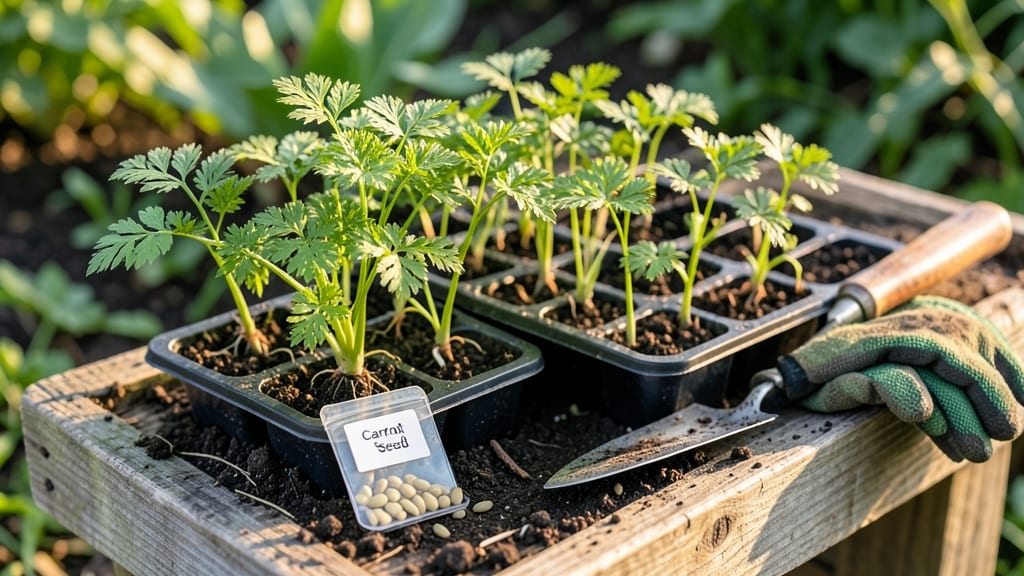
If you’ve ever planted 🥕 carrots in Georgia only to watch them bolt into bitter greens or shrivel under the summer sun, you’re not alone.
Georgia’s 7b-8b climate makes timing the difference between a bountiful harvest and a wasted effort—and the key lies in knowing exactly when to start seeds for crisp, sweet roots.
The secret isn’t just about avoiding frost dates (though those matter!). It’s about working with Georgia’s two prime windows: the cool embrace of February-March for spring carrots and the crisp air of August-September for fall harvests.
Plant too early, and heat stress triggers bolting; too late, and pests or drought steal your crop.
I’ll break down the exact deadlines for your region—whether you’re in the Piedmont’s rolling hills or the Coastal Plain’s humid stretches—so you can sidestep common mistakes and enjoy harvests from April to November. Ready to turn your garden into a carrot goldmine?
Let’s dive into the planting schedule that’ll have your soil producing perfect, bolt-free carrots all season long. No more guesswork, just guaranteed success.
Georgia’s best carrot planting deadlines: spring vs fall schedule for zero bolting
Georgia’s USDA zones 7b-8b mean carrot season hinges on precise timing—plant too early, and you’ll trigger bolting from cool nights; too late, and summer heat stunts growth. The key is aligning your schedule with soil temperatures (ideal: 55-75°F) and avoiding Georgia’s heat stress peaks in June-August.
For spring planting, aim for February-March in North Georgia (Athens, Blue Ridge) and January-February in South Georgia (Savannah, Valdosta). These windows give carrots 60-70 days to mature before summer’s relentless sun forces bolting.
In fall, August-September is your last chance—plant too late, and first frost (November 15 average) will nip tender roots.
Here’s the golden rule for Georgia: Plant when soil is 60°F+ but air temps stay below 80°F. Use a soil thermometer to verify—cool roots grow best when soil is warm but tops stay cool.
In North GA’s cooler microclimates (like the mountains), you can push spring planting to early April, but South GA gardeners must start by mid-February to avoid summer’s wrath.
| Season | Planting Window | Soil Temp | Key Risk | Harvest Window |
|---|---|---|---|---|
| Spring | Jan 15 - Mar 15 (South GA) Feb 15 - Apr 1 (North GA) |
55-75°F | Bolting from cool nights | Apr 15 - May 30 |
| Fall | Aug 1 - Sep 15 | 60-75°F | Frost before harvest | Oct 1 - Nov 10 |
*Adjust 2-3 weeks earlier for high-altitude GA (e.g., Blue Ridge).
Georgia’s microclimates demand flexibility. In South GA’s hotter zones (like Brunswick), start spring carrots by January 20—any later, and June’s 90°F+ soil temps will turn roots woody. Meanwhile, North GA’s Piedmont region (Atlanta area) can wait until March 1 without bolting risks.
Pro tip: Use shade cloth (30-50%) in summer to protect fall plantings from Georgia’s brutal afternoon sun.
For fall carrots, August is your last safe month. Plant by August 15 in South GA and September 1 in North GA to ensure harvest before frost. Choose bolting-resistant varieties like ‘Danvers Half Long’ or ‘Nantes’—they tolerate Georgia’s heat better than standard types.
If you miss August, try cold-hardy varieties like ‘Chantenay’ for late-September plantings, but expect smaller yields.
Don’t overlook succession planting—sow new seeds every 2 weeks from February to April for a continuous harvest. In fall, repeat this strategy from August to September.
This stretches your season and reduces bolting pressure. Pair carrots with companion plants like leeks or rosemary to deter pests (carrot flies love Georgia’s humidity!).
Watch for false starts: Georgia’s unpredictable spring weather can bring cold snaps even after last frost. If night temps dip below 40°F, cover seedlings with row fabric or a cold frame.
In fall, monitor first frost dates—North GA’s mountains may see frost by October 20, while South GA’s coast often holds off until November 10. Adjust planting dates accordingly.
Remember: Soil prep is non-negotiable in Georgia’s clay-heavy soils. Amend beds with compost and sand to prevent forked roots—a common issue when roots hit obstacles. Aim for loose, stone-free soil 12 inches deep.
After planting, keep soil consistently moist (1 inch per week) but never soggy—Georgia’s summer downpours can drown tender seedlings.
Timing isn’t just about months—it’s about weather patterns. Check the NOAA’s Georgia climate outlook before planting. If forecasts predict dry spells, prioritize fall plantings when rainfall is more reliable.
For spring, aim for weeks with steady temps (avoid March’s rollercoaster). With these deadlines, you’ll grow sweet, crisp carrots instead of bitter, woody failures.
Georgia’s best carrot planting deadlines: spring vs fall schedule for zero bolting
Georgia’s 7b-8b climate demands precision when planting 🥕 carrots. The difference between a thriving crop and a failed harvest often comes down to timing—specifically, avoiding the heat stress that triggers bolting.
Spring and fall are your two golden windows, but each requires different strategies based on your region’s microclimate.
For spring planting, aim for February through early March in North Georgia (USDA Zone 7b) and January through early February in South Georgia (Zone 8b). These dates align with soil warming to 55°F—the ideal temperature for germination. Miss this window, and your carrots may bolt before reaching maturity.
🌱 Georgia Carrot Planting Schedule
| Season | Planting Window | Soil Temp | Harvest Time | Key Tip |
|---|---|---|---|---|
| Spring | Feb-Mar (North GA) / Jan-Feb (South GA) | 55°F+ | April-May | Use shade cloth if temps exceed 85°F |
| Fall | Aug-Sept | 65°F-75°F | Oct-Nov | Choose bolt-resistant varieties like 'Danvers' |
Fall planting offers a second chance for success. Start seeds in mid-August through September, targeting soil temperatures between 65°F and 75°F. This window ensures carrots mature before first frost (typically November 15 in most of Georgia).
For Coastal Plain regions, extend planting into early October if using cold-hardy varieties.
Pro tip: Adjust your schedule by 2 weeks earlier in North Georgia’s cooler Piedmont region and 2 weeks later in South Georgia’s warmer Coastal Plain. Always check your local frost dates—they’re your planting deadlines in reverse.
Bolting is your biggest enemy, and heat is its accomplice. By sticking to these windows, you’ll sidestep the 90°F+ temperatures that send carrots into flower mode. Instead, you’ll enjoy crisp, sweet roots all season long—no bitter surprises here!
Next, we’ll cover how to extend your carrot season with succession planting and shade tricks to beat Georgia’s summer heat. Stay tuned!