
Plants
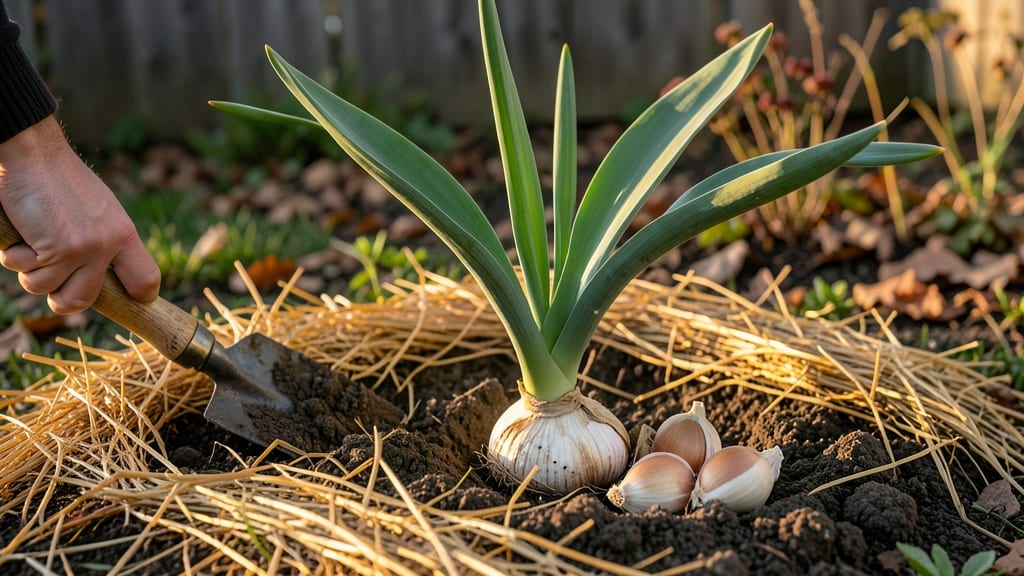
Planting garlic in Pennsylvania at the wrong time could leave you with weak bulbs—or worse, no harvest at all. The key to success lies in timing, especially for hardneck varieties that need cold winters to form properly.
If you’ve ever wondered why some gardens thrive while others struggle, it often comes down to those critical October-November planting windows.
With USDA zones 5b-7a across the state, Pennsylvania gardeners face unique challenges—from early frosts in the north to milder winters near Philadelphia. I’ll break down exactly when to plant your 🧄 cloves for maximum yield, whether you’re in Pittsburgh or rural farmland.
Miss the deadline, and you risk stunted growth or bulbs that never fully mature.
What you’ll discover here are the precise planting dates tailored to Pennsylvania’s climate, plus soil prep tips that make all the difference. Whether you’re a first-time grower or a seasoned gardener, these strategies will help you avoid common mistakes and set your garlic up for a July-August harvest.
Ready to transform your garden? Let’s dive into the exact steps to plant garlic at the perfect moment—so you can enjoy homegrown bulbs next summer.
Pennsylvania’s fall garlic planting deadlines by hardneck variety
Pennsylvania’s USDA zones 5b–7a create a 4–6 week window for fall garlic planting, with hardneck varieties like rocambole and purple stripe needing cold winters to form bulbs. Missing this window risks stunted growth or no harvest—so timing is everything.
In Pittsburgh (Zone 6b), aim to plant between October 15–November 1, while Philadelphia (Zone 7a) gardeners have until November 15. Rural areas in Zone 5b (like Erie) should plant by October 10 to avoid winter kill.
For late frosts or mild winters, adjust by 2–3 weeks earlier. Use your last frost date (typically mid-April) as a guide: plant 4–6 weeks before the ground freezes solid.
Hardneck garlic needs 12–16 weeks of cold (below 40°F) to form bulbs. In Pennsylvania’s climate, this means planting before November 15 in most regions.
For rocambole garlic, which needs longer cold exposure, plant by October 20 in most of PA. Purple stripe is slightly more forgiving but still benefits from early planting.
Use a soil thermometer to confirm 40–50°F soil temps before planting. If temps drop below 32°F too soon, cover with straw mulch (4–6 inches) to insulate cloves.
Avoid planting after November 15 in Zone 6b–7a—garlic planted too late may not mature before summer heat. Spring planting (March) is a backup but yields smaller bulbs.
Pro tip: Label your rows with planting dates to track which varieties mature fastest. Early October plantings often produce the largest bulbs in PA’s climate.
🌱
Pennsylvania’s fall garlic planting deadlines by hardneck variety
Pennsylvania’s USDA zones 5b-7a create distinct garlic planting windows, with hardneck varieties like rocambole and purple stripe performing best when planted in October-November. The exact deadline depends on your region—Philadelphia’s milder climate allows later planting than Pittsburgh’s colder winters.
Aim to plant 4-6 weeks before the ground freezes, typically between October 15th and November 15th for most of the state.
For northern PA (zones 5b-6a), like Erie or State College, the window narrows to October 1st–November 1st due to earlier frosts. Meanwhile, southern PA (zones 6b-7a), including Lancaster or Reading, can extend planting until November 15th–December 1st in exceptionally mild years.
Hardneck garlic needs at least 40 days of cold temperatures below 40°F to form bulbs properly.
Miss the fall window, and you’ll need to plant in early spring (March), though yields may be smaller. Spring-planted garlic skips the cold vernalization process, resulting in thinner necks and fewer cloves.
Always check your local last frost date—Pittsburgh’s is typically mid-April, while Philadelphia’s can be as late as early May.
| Region | USDA Zone | Ideal Planting Window | Last Chance |
|---|---|---|---|
| Northern PA (Erie, State College) | 5b-6a | October 1–15 | November 1 |
| Central PA (Harrisburg, Lebanon) | 6a-6b | October 15–30 | November 15 |
| Southern PA (Philadelphia, Lancaster) | 6b-7a | October 30–November 15 | December 1 |
Soil temperature is your best indicator—plant when it drops to 40–50°F consistently. Use a soil thermometer to monitor; colder soils slow root growth. For container growing, plant in well-draining pots with a mulch layer to insulate roots.
Hardneck varieties like German White or Silverskin are ideal for PA’s climate, while softneck types (like Artichoke) are better suited for milder coastal areas.
Pro tip: Store cloves in the fridge for 1–2 weeks before planting to mimic winter dormancy. This trick helps hardneck varieties establish stronger roots before the ground freezes. Always plant individual cloves, not whole bulbs, with the pointy end up and 2 inches deep in loose, well-amended soil.
Timing is everything—plant too early, and cloves may sprout before winter; plant too late, and bulbs won’t mature. With these deadlines, you’ll be harvesting plump, flavorful garlic by July-August next year. 🧄