
Plants
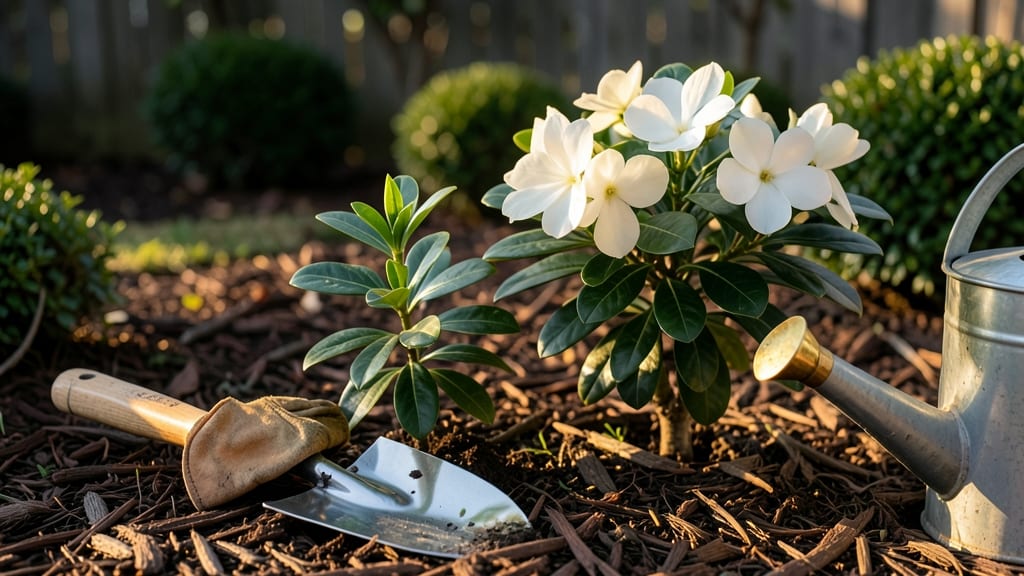
Timing your gardenia planting in Texas could mean the difference between fragrant 🌸 blooms all summer and struggling plants that barely survive. The key isn't just picking a season—it's choosing the exact window when your local climate gives your gardenia the best shot at thriving.
Texas gardeners know that planting too early risks frost damage, while waiting too long might leave your gardenia fighting heat stress. With zones ranging from 8a to 10b, the ideal months shift dramatically from North to South Texas.
I’ll break down the precise planting schedule so you can avoid common mistakes and give your gardenia the perfect start.
Whether you're in the Hill Country or along the Gulf Coast, the right timing ensures your gardenia establishes strong roots before summer heat arrives. You’ll learn how to prepare your soil, select the best season for your region, and protect your plant from Texas’s unpredictable weather patterns.
Let’s get your gardenia off to a flourishing start—no guesswork, just proven strategies for Texas gardeners. Ready to plant with confidence?
Texas gardenia planting months by hardiness Zone (avoid frost completely)
Texas’s varied climate means gardenias thrive in different zones, but timing is critical. In North Texas (Zone 7-8), wait until after April 15 to avoid late frosts that can kill tender roots.
Meanwhile, Central Texas (Zone 8-9) gardeners can plant as early as mid-March, while South Texas (Zone 9-10) enjoys year-round planting with minimal frost risk.
Gardenias need 240 frost-free days to establish strong roots. If you plant too early in colder zones, your shrubs may struggle to recover. For container gardenias, you can push the window slightly earlier, but soil temperatures must stay above 60°F for optimal growth.
🌱
For fall planting, aim for September–October across all zones. This gives roots time to establish before winter, and gardenias bloom best on mature wood. In South Texas, you can even plant in November, but avoid December to prevent heat stress from early spring.
🌿
If you’re in a transition zone like Austin or San Antonio, monitor your local Cooperative Extension Service frost alerts. These areas can experience unpredictable late frosts, so err on the side of planting 2–3 weeks later than the average date.
For container gardenias, you can push the window slightly earlier since pots warm up faster.
Pro tip: Mulch heavily after planting to protect roots. Use 3–4 inches of pine bark mulch, which also helps maintain the acidic soil pH gardenias crave. This is especially critical in alkaline Texas soils, where gardenias often struggle without amendments.
🪴
For North Texas gardeners, consider overwintering gardenias in containers and moving them outdoors after the last frost. This gives you two growing seasons in one plant! Just ensure your containers have drainage holes and use a lightweight potting mix to prevent root rot.
💧
Texas gardenia planting months by hardiness Zone (avoid frost completely)
Texas’s diverse climates mean your gardenia’s planting window depends entirely on your USDA zone. In North Texas (Zone 8a), frost can linger until mid-February, while South Texas (Zone 10b) enjoys frost-free conditions year-round.
The safest bet is to plant after your last frost date—typically late February to early March for most regions—but early fall (September–October) is ideal for root establishment before summer heat.
Gardenias thrive in warm soil temperatures (above 60°F), so avoid planting in cool spring months when roots grow slowly. In Central Texas (Zone 8b), aim for March 1–15, while East Texas (Zone 8a–9a) can plant as early as February 20 in sheltered microclimates.
Always check your local frost-free date to time it perfectly.
| Texas Region | USDA Zone | Best Planting Window | Last Frost Date | Soil Prep Time |
|---|---|---|---|---|
| North Texas (Dallas/Fort Worth) | 8a | March 1–15 | Feb 15–Mar 1 | Feb 1–Feb 15 |
| Central Texas (Austin/San Antonio) | 8b | Feb 28–Mar 15 | Feb 1–Feb 15 | Jan 15–Feb 1 |
| East Texas (Tyler/Beaumont) | 8a–9a | Feb 20–Mar 10 | Jan 31–Feb 15 | Jan 1–Jan 15 |
| South Texas (Houston/Corpus Christi) | 9a–10b | Sep 1–Oct 31 | None (frost-free) | Aug 15–Sep 1 |
| West Texas (El Paso/Midland) | 8a–7b | Apr 1–Apr 15 | Mar 1–Mar 15 | Feb 15–Mar 1 |
For container gardenias, you can plant 2–4 weeks earlier than in-ground, as pots warm up faster. However, avoid planting in summer heat—gardenias hate 90°F+ soil and may suffer from root burn.
If you’re in Zone 8a or colder, consider fall planting (September) to give roots time to establish before winter.
Microclimates matter! Hill Country gardens may need to wait until mid-April due to late frosts, while Gulf Coast gardeners can plant year-round. Always monitor soil temperature—use a soil thermometer to confirm it’s above 60°F before planting.
Pro tip: Mulch heavily after planting to retain moisture and protect roots from temperature swings.
Once planted, water deeply every 3–5 days to encourage root growth. In Zone 10b, gardenias can bloom year-round if planted in fall, while North Texas plants may need a light winter cover to survive occasional frosts.
With the right timing, your gardenia will reward you with fragrant blooms by late spring—or even earlier in warmer zones!
🌸