
Planting
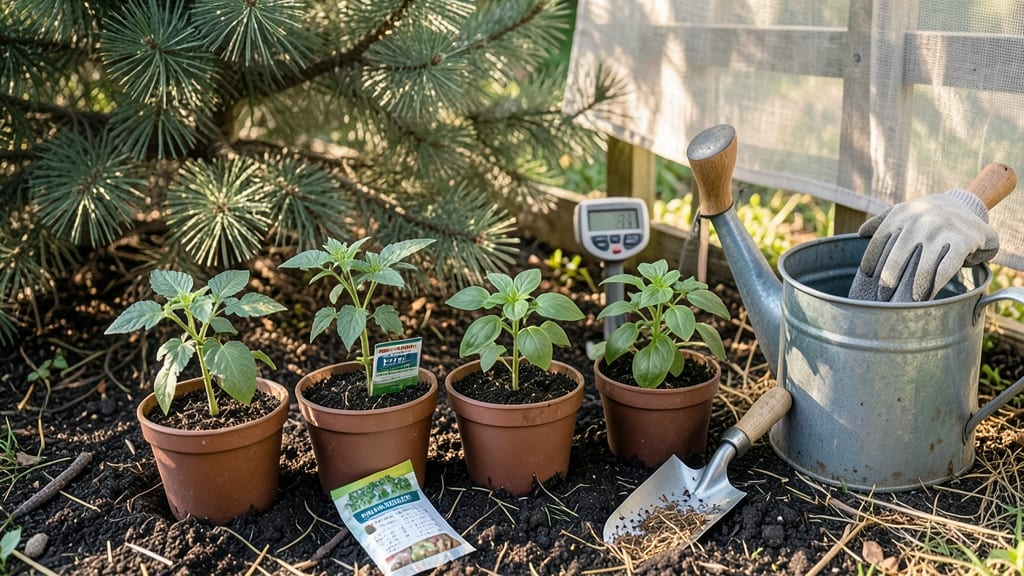
When to plant a garden in Oregon isn’t just about throwing seeds into the dirt and hoping for the best—it’s about mastering the delicate dance between frost dates and your local microclimate.
Whether you're in the lush Willamette Valley or the dry High Desert, planting General Garden Plants 🌱 at the wrong time can mean the difference between a thriving harvest and a sad, wilted disappointment.
Oregon’s diverse zones—from 7b to 9a—create wildly different growing seasons, and ignoring those nuances can leave you scrambling.
I’ve spent years tracking frost patterns and talking to local gardeners, and what I’ve learned is that the key to success lies in knowing exactly when to start seeds, transplant seedlings, and even push your season with row covers.
This isn’t just theory—it’s a roadmap to zero-frost failures in your garden. You’ll discover the exact weeks to plant cool-season crops like spinach and peas, when to hold off on heat-loving tomatoes, and how to work around Oregon’s unpredictable weather. Ready to turn your garden into a year-round success story?
Let’s break down the science behind Oregon’s planting zones so you can finally stop guessing and start growing with confidence.
Oregon planting zones explained: when to start seeds vs. transplanting vegetables
Oregon’s USDA Plant Hardiness Zones 6-9 create wildly different planting windows, from the Willamette Valley’s mild springs to the High Desert’s late frosts. Even neighboring cities like Portland (Zone 8) and Bend (Zone 7) play by different frost rules.
The key? Knowing your last average frost date and first average frost date—not just your zip code.
For example, coastal Oregon (Zones 8-9) often sees frost-free growing seasons of 200+ days, while eastern Oregon (Zones 6-7) might only have 120-150 frost-free days.
This means tomatoes in Eugene can go in the ground by mid-April, but Bend gardeners should wait until mid-May—or risk losing their plants to a late freeze.
📌 PRO TIP: Use the Oregon State University Extension’s frost date maps (updated annually) to pinpoint your exact window. Bookmark this resource—it’s your planting bible.
| Oregon Region | USDA Zone | Last Frost Date | First Frost Date | Start Seeds Indoors | Transplant Warm Crops |
|---|---|---|---|---|---|
| Willamette Valley (Portland, Salem) | 8a-8b | March 15 - April 1 | October 15 - November 1 | February 15 - March 1 | April 15 - May 1 |
| Coastal (Astoria, Newport) | 8b-9a | April 1 - April 15 | November 15 - December 1 | March 1 - March 15 | May 1 - May 15 |
| High Desert (Bend, La Pine) | 6b-7a | May 1 - May 15 | September 15 - October 1 | March 1 - April 1 | May 15 - June 1 |
| Columbia Gorge (Hood River, The Dalles) | 7a-7b | April 15 - May 1 | October 1 - October 15 | February 28 - March 15 | May 1 - May 15 |
Understanding these dates helps you time seed starting perfectly. For instance, cool-season crops like spinach and peas can handle light frosts, so you can sow them 4-6 weeks before your last frost date.
But warm-season crops like tomatoes and peppers need soil temps above 60°F—so wait until 2 weeks after your last frost to transplant them.
I always start tomatoes indoors in March for the Willamette Valley, then harden them off before transplanting in late April. This gives them a 3-month head start on the 120-day growing season most varieties need.
Skip this step, and you’ll be picking green tomatoes in October instead of juicy red ones.
For perennials like asparagus or rhubarb, timing matters too. Plant crowns in early spring (March-April) so roots establish before summer heat. And if you’re dividing perennials, do it in early fall (September-October) when the weather cools
Critical mistakes Oregon gardeners make with planting timing (and how to avoid them)
Even experienced Oregon gardeners fall victim to planting timing blunders that sabotage their harvests. The most common mistake? Planting frost-sensitive crops like tomatoes or peppers too early in the Willamette Valley.
A late-March frost can wipe out seedlings before they even sprout. I’ve seen this happen to neighbors who rush to plant in mid-February—just because the calendar says spring.
Another frequent error is ignoring microclimates within Oregon. Your urban Portland garden might hit 80°F while the suburbs stay in the 60s°F. Heat islands from pavement and buildings can push your planting window 2-3 weeks earlier than official frost dates suggest.
Always scout your specific spot for 3 consecutive days above 50°F before planting warm-season crops.
Here’s the visual breakdown of the most costly mistakes and how to avoid them:
⚠️ Top 3 Planting Timing Mistakes in Oregon
- Planting frost-tender crops before last frost (check Oregon State University’s frost maps)
- Ignoring microclimates—urban areas warm faster than rural zones
- Skipping soil prep—cold, compacted soil delays germination even with perfect timing
Pro Tip: Use floating row covers to extend your window by 2-4 weeks in spring/fall.
Let’s talk about last-frost date myths. Many gardeners assume April 15th works statewide, but coastal Oregon (like Astoria) often sees frost until May 1st, while Bend’s high desert can plant tomatoes by May 10th.
Always verify your USDA Zone 7b-9a specifics—Oregon’s 165 frost-free days vary wildly by elevation.
One overlooked trap is overcrowding seedlings when transplanting. I’ve seen gardeners rush to move 6-week-old seedlings into the ground too close together, stunting growth. The rule? Space seedlings 2-3x wider than their final mature size. For example, tomato plants need 18-24 inches apart—not the 12 inches many beginners use.
Finally, don’t assume fall planting follows the same rules as spring. Cool-season crops like kale and carrots thrive when days shorten, but broccoli planted after September 1st in the Willamette Valley often bolts before winter.
Aim for 6-8 weeks before first frost for fall harvests—typically late July to early August in most zones.
By avoiding these pitfalls, you’ll turn Oregon’s unpredictable climate into an advantage. The key? Local data + patience. Start with your county extension office’s frost records, then adjust based on your microclimate. Your future harvests will thank you! 🌱