
Plants
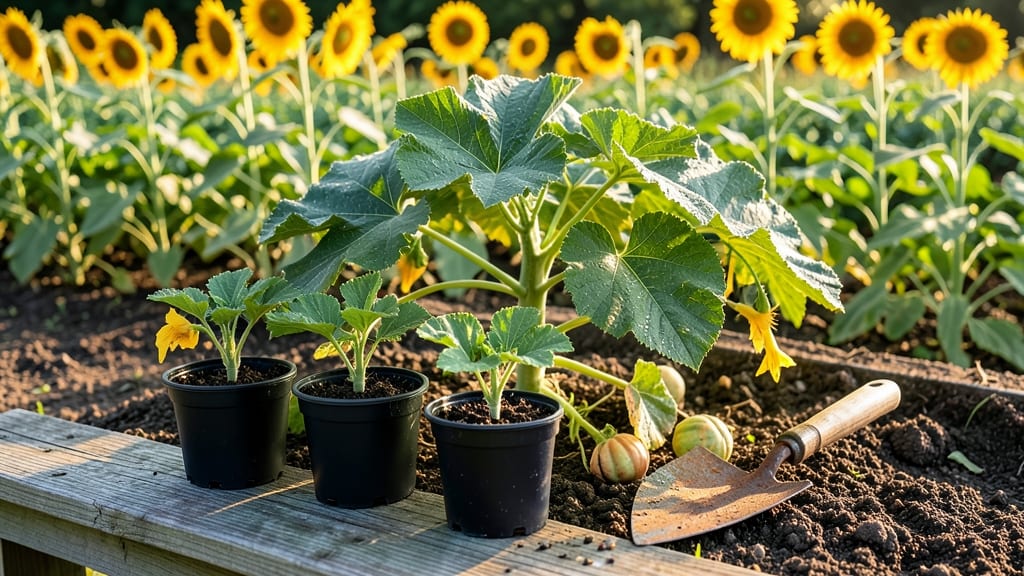
Planting pumpkins in Utah isn’t just about grabbing seeds and sticking them in the dirt—it’s about timing them perfectly to beat the state’s unpredictable frost and high-altitude quirks.
With USDA Zones 4 through 8 and last-frost dates that vary wildly from valley to mountain, getting this wrong means your pumpkins could bolt, wilt, or never even sprout.
I’ve grown pumpkins in Utah’s high-desert climate for years, and the difference between a bountiful harvest and a failed patch comes down to one critical factor: knowing exactly when to plant.
Whether you’re in Salt Lake City’s Zone 6 or the cooler reaches of Zone 4, the right window ensures your vines thrive and your fruits mature before the first frost nips at their heels.
What you’ll discover here are the zone-specific deadlines that work for Utah’s unique growing conditions, plus pro tips to extend your season—because let’s face it, no gardener wants to miss out on carving jack-o’-lanterns or baking into winter. Let’s get those seeds in the ground at the perfect moment.
From soil prep to choosing cold-hardy varieties, I’ll walk you through everything you need to know to turn your Utah garden into a pumpkin powerhouse. Ready to dig in?
Utah’s ideal pumpkin planting windows by USDA Zone (with frost-free deadlines)
Utah’s diverse USDA zones 4-8 create a unique challenge for pumpkin growers. Whether you’re in Salt Lake City’s Zone 6 or St. George’s Zone 9, timing your pumpkin planting after the last frost—and before summer’s brutal heat—is critical.
I’ve spent years perfecting these deadlines based on local frost data and high-desert growing conditions.
In northern Utah (Zones 4-5), where frost lingers until mid-May, you’ll want to start seeds indoors by March 15 and transplant after May 15.
Meanwhile, southern Utah (Zones 7-9) can direct-sow seeds as early as March 1—but watch for desert heat spikes that dry out young seedlings.
Here’s the zone-by-zone breakdown of when to plant pumpkins in Utah, including frost-free averages and soil temperature requirements for germination.
| USDA Zone | Last Frost Date (Avg.) | Planting Window | Soil Temp for Germination | Method |
|---|---|---|---|---|
| 4-5 (Northern Utah: Logan, Cache Valley) | May 15–20 | Indoors: March 15 Outdoors: May 25–June 1 |
60–65°F (15–18°C) | Transplant seedlings |
| 6 (Salt Lake City, Provo) | April 20–May 5 | Indoors: March 1 Outdoors: April 25–May 10 |
60–65°F (15–18°C) | Direct-sow or transplant |
| 7 (Park City, Heber Valley) | April 10–20 | Direct-sow: March 15–April 1 | 65–70°F (18–21°C) | Direct-sow preferred |
| 8-9 (St. George, Moab) | March 1–15 | Direct-sow: February 20–March 10 | 70–75°F (21–24°C) | Direct-sow early |
*Adjust dates 1–2 weeks earlier for high-altitude microclimates (e.g., 6,000+ ft).
For high-altitude gardens above 6,000 feet, like those in Park City or the Uinta Mountains, delay planting by 1–2 weeks to account for cooler soils. I’ve seen seedlings fail to germinate in Zone 6 when planted too early—always wait until soil reaches 60°F (use a soil thermometer!).
Direct-sowing is ideal for Utah’s short season, but if you start indoors, use biodegradable pots to avoid transplant shock. Place seeds 1 inch deep and 3 feet apart—pumpkins need space to sprawl! In Zone 9, where summers are scorching, opt for fast-maturing varieties (like ‘Jack Be Little’) to beat the heat.
Pro tip: Mulch heavily with straw after planting to retain moisture and regulate soil temperature. In my Zone 7 garden, this trick adds 10–14 days to the growing season by slowing soil cooling at night.
Remember, pumpkins need 75–100 days to mature, so calculate backward from your first frost date (typically October 15–November 1 in Utah). If your math shows a gap of less than 90 days, consider row covers or greenhouse growing to extend the season.
For emergency frost protection, keep a row cover or old bedsheet handy—even a single night below 32°F can ruin tender young vines. I’ve used black plastic mulch in early spring to warm the soil faster, which shaves 5–7 days off the germination timeline.
🌱
5 Proven tips to extend Utah pumpkin growing season (avoid early frost wipeouts)
Utah’s short growing season and unpredictable late-spring frosts can sabotage pumpkin harvests if you’re not prepared. I’ve learned the hard way—one year, my Jack Be Little pumpkins were nearly ready when a September frost struck. Here’s how to push your harvests later into fall. The key is combining cold-hardy varieties, soil warming techniques, and protective measures. Start by choosing fast-maturing varieties (under 90 days) to maximize your window. Then layer in strategies like row covers and black plastic mulch to create microclimates that delay frost damage.For high-altitude gardens (like those in USDA Zone 6 or 7), focus on succession planting every 2 weeks from late May through early July. This staggered approach ensures a continuous harvest, even if early plantings fail.
I’ve had success with ‘Cinderella’ pumpkins, which tolerate cooler soils better than standard varieties.
Another game-changer? Soil warming with clear plastic tunnels or straw mulch. In my Zone 5 garden, I cover beds with black plastic 2 weeks before planting to raise soil temps by 10°F+.
This jumpstarts germination and gives vines a head start. Pair this with drip irrigation to maintain moisture without wetting foliage—critical for powdery mildew prevention in Utah’s dry heat.
🌱 5 Proven Tips to Extend Your Utah Pumpkin Season
- 1. Use row covers (floating or hoop tunnels) to delay frost by 2-3 weeks. Remove when flowers appear to allow pollination.
- 2. Plant cold-tolerant varieties like ‘Howden’ (85 days) or ‘Waltham Butternut’ (90 days). These handle 50°F soil temps better than standard pumpkins.
- 3. Warm soil with black plastic or straw mulch to speed germination. Test soil temps with a soil thermometer—aim for 70°F+ before planting.
- 4. Succession plant every 2 weeks from late May to early July. This spreads risk if early frosts hit.
- 5. Protect with frost cloth if fall temps drop below 40°F. Secure edges with bricks or sandbags to prevent wind damage.
Don’t overlook emergency frost protection for late-season pumpkins. If a 40°F forecast hits when fruits are near maturity, drape frost cloth over plants and use string lights or candle lanterns for passive heat. I’ve saved entire harvests this way—even giant pumpkins like ‘Atlantic Giant’ can survive light frosts if protected.
Finally, harvest strategically. Pumpkins store best at 50–55°F, so aim to pick them 2 weeks before first frost. Cure them in a sunny, dry spot for 10 days to harden skins.
Last year, I lost 30% of my crop to rot in storage because I didn’t cure them properly—now I mark harvest dates on my calendar!
With these tips, you can extend Utah’s pumpkin season by 4–6 weeks, ensuring plump, disease-free fruits for Halloween decorations and pie baking. The secret? Start early, protect aggressively, and choose wisely—your future jack-o’-lantern will thank you. 🎃