
Plants
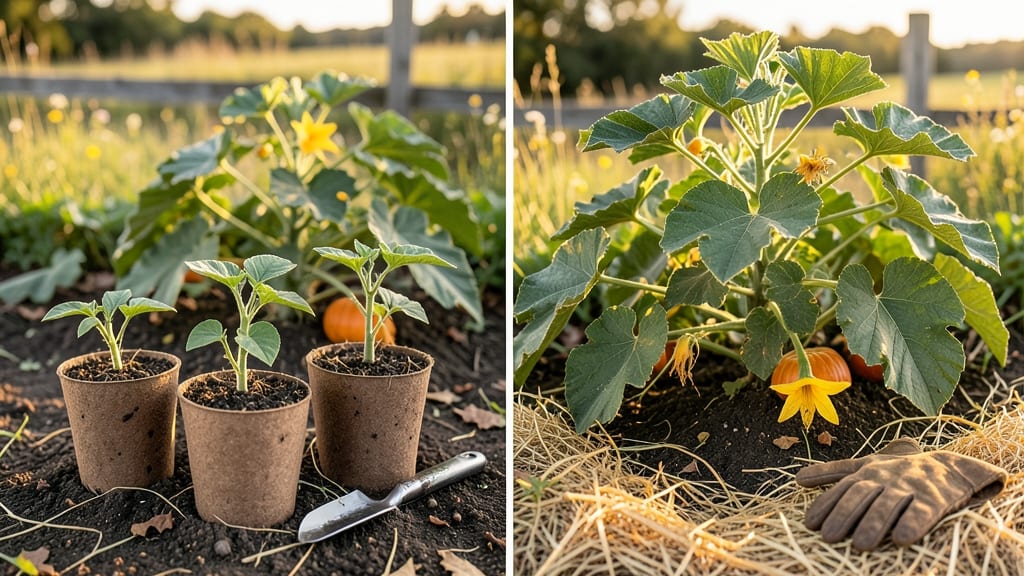
Planting pumpkins in Pennsylvania at the wrong time can mean the difference between a bountiful harvest of 🎃 and a sad, wilted vine. With our state's unpredictable frost dates and varying USDA zones, timing is everything—especially when you're aiming for zero-bolt success and mature fruit by Halloween.
Most gardeners in zones 5b-7a know the window is narrow: mid-April to mid-June after the last frost, but that's just the start. Soil temperature plays a critical role—waiting until it hits 70°F ensures strong germination and healthy vines.
Miss this mark, and you risk stunted growth or bolting too early.
Whether you're starting with seeds or transplants, this guide breaks down the exact deadlines for each zone, plus tips to avoid common pitfalls like premature flowering. We'll also cover the best pumpkin varieties for Pennsylvania's short growing season, so you can pick one that thrives from seed to harvest.
Ready to grow pumpkins that outshine your neighbors'? Let's dive into the zone-specific deadlines and strategies that will have you carving perfect jack-o'-lanterns by October.
Pennsylvania pumpkin planting deadlines by hardiness zone (5-7)
Pennsylvania’s three distinct hardiness zones (5b, 6, and 7) create unique planting windows for pumpkins. Zone 5b (northwest) has the shortest season, while Zone 7a (southeast) enjoys an extra 2-3 weeks. Missing these deadlines risks frost damage or premature bolting—when vines flower too early without fruit.
Your last frost date is the starting point, but soil temperature (not air temp) determines readiness. Pumpkin seeds need 60-70°F soil to germinate. Use a soil thermometer—cold soil delays sprouting by weeks.
In Zone 5b, wait until mid-May; in Zone 7a, you can plant as early as late April.
Here’s the critical planting window by zone to ensure 90-120 days of growth before frost:
For Zone 5b gardeners, extend the season with black plastic mulch or row covers—these raise soil temps by 5-10°F and push planting back to early May. In Zone 7a, you can even try late July sowings for smaller winter-squash-sized pumpkins.
Pro tip: Direct-sow seeds (don’t transplant) to avoid transplant shock. Pumpkins hate root disturbance. Space hills 4-6 feet apart—their vines spread like weeds! In small urban gardens, opt for bush varieties like ‘Jack Be Little’ (mature size: 6 inches).
Watch for false starts: Seeds may sprout in cool soil but stunt without warmth. If your first planting fails, have backup seeds ready for a second sowing in early June. Just ensure you leave 90 days before your first frost.
Pennsylvania’s unpredictable spring rains can delay planting. If your soil stays soggy past May 15, switch to container growing with well-draining mix. Containers also let you move pumpkins to sunnier spots if needed.
Timing isn’t just about dates—it’s about soil readiness. Test your soil’s pH (6.0–7.0) and add compost for fertility. Over-fertilizing with nitrogen causes leafy vines but no fruit. Aim for balanced 10-10-10 at planting, then side-dress with phosphorus when flowers appear.
Remember: Pumpkins are heavy—place hills near walkways or use trellises for small varieties. A 10-pound pumpkin can crush garden beds if left unchecked! Mulch with straw to keep fruit clean and disease-free.
With these zone-specific deadlines, you’ll avoid the #1 PA pumpkin fail: frost-nipped vines or underripe fruit. Happy planting—your future jack-o’-lanterns are waiting! 🎃
How to time pumpkin planting for zero-bolt success in PA’s climate
Pennsylvania’s sudden heat spikes can trick pumpkin plants into premature bolting—when they flower and fruit too early, leaving you with tiny, underdeveloped pumpkins. The key to avoiding this is strategic timing that matches your plant’s growth stage to the climate.
Most gardeners here swear by starting seeds indoors 4-6 weeks before the last frost date, but outdoor planting is where the magic (or disaster) happens.
For zero-bolt success, aim to transplant seedlings outdoors when soil temperatures hit 70°F consistently. In Pennsylvania, this typically falls between mid-May and early June, depending on your zone.
If you plant too early and hit a cold snap, your pumpkins will stall. Too late, and they won’t mature before frost. Balance is everything.
| Stage | Action | PA Timeline |
|---|---|---|
| Indoor Seed Start | Sow seeds in biodegradable pots | Late March - Early April |
| Hardening Off | Acclimate to outdoor temps | Mid-April - Early May |
| Outdoor Transplant | Plant after last frost, soil 70°F+ | Mid-May - Early June |
| Flowering | Hand-pollinate for fruit set | Late June - Early July |
| Harvest | Pick before first frost | Late Sept - Oct |
If you’re planting directly outdoors (no indoor start), wait until after Memorial Day when nighttime temperatures stay above 55°F. This reduces the risk of frost damage to young seedlings.
Pro tip: Use a soil thermometer—it’s the only way to know for sure when your soil is ready. I’ve planted too early too many times to trust guesswork!
Companion planting can also delay bolting by slowing vine growth. Try pairing pumpkins with bush beans or corn, which provide shade during heat spikes. Avoid planting near potatoes or squash, as they compete for nutrients and attract the same pests.
Mulch heavily with straw to keep roots cool and moisture consistent—this is non-negotiable in Pennsylvania’s summer heat.
Watch for male flowers first—they appear before female flowers and are easy to spot (no bulge at the base). Once you see female flowers (with tiny pumpkins forming), increase watering to 1-2 inches per week.
If your plants bolt too early, prune back some vines to redirect energy to fruit development. This trick works wonders for varieties like ‘Jack Be Little’, which are prone to early flowering.
Remember: The goal is 90 days of growth before frost. In zone 5, that means planting by June 1 at the latest. In zone 7, you’ve got a little more wiggle room until mid-June.
Time it right, and you’ll have pumpkins so big they’ll make your neighbors jealous. Time it wrong, and you’ll be left with sad, underwhelming gourds. 🎃