
Trees
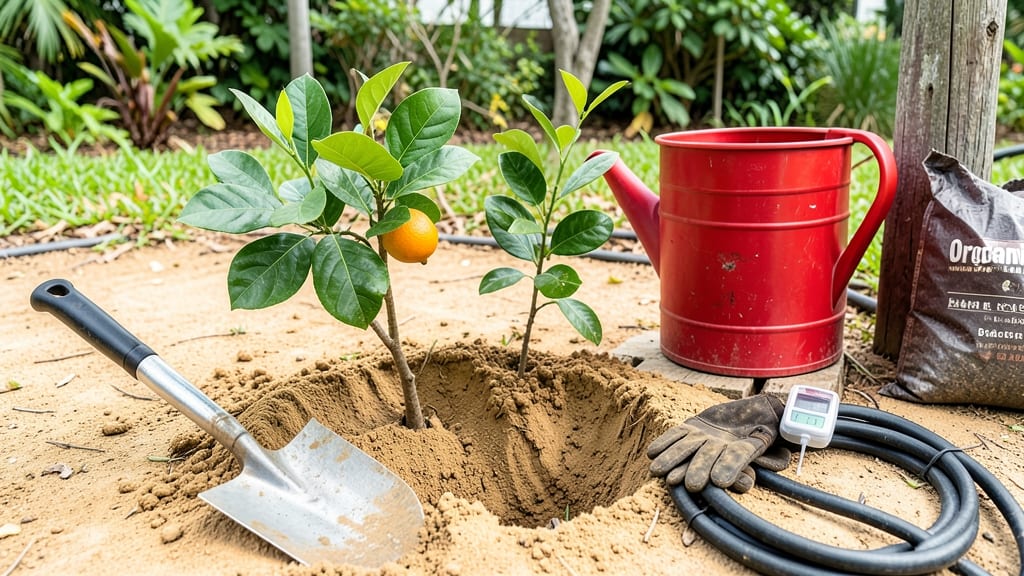
If you’ve ever wondered when to plant fruit trees in Florida, the answer isn’t as simple as “spring”—it depends on whether you’re growing citrus or tropical varieties like mangoes and avocados.
Florida’s humid subtropical climate means timing matters more than you think, especially if you want strong root growth and fewer struggles with heat stress or fungal diseases.
I’ve seen firsthand how planting too early can leave young trees vulnerable to sudden summer storms, while waiting too late might stunt their development before the rainy season kicks in.
The key is understanding your specific hardiness zone and soil conditions—because what works in the Panhandle won’t always suit South Florida’s coastal areas.
In this guide, I’ll break down the best months to plant based on your location, plus soil prep tips to give your fruit trees the perfect start.
Whether you’re a backyard gardener or a homestead owner, these insights will help you avoid common mistakes and set your trees up for years of bountiful harvests.
Ready to dig in? Let’s get your fruit trees off to the right start—without the guesswork.
Best Florida planting months by hardiness Zone (citrus vs tropical fruit trees)
Florida’s humid subtropical climate lets you plant fruit trees almost year-round, but timing matters for root growth and survival. Unlike northern climates, Florida’s USDA Zones 8b-11 mean citrus trees like oranges and grapefruits thrive year-round, while tropical trees like mangoes and avocados need specific windows to avoid stress.
Let’s break down the optimal planting months for each zone and tree type.
For citrus trees (oranges, lemons, limes), the best planting window is late winter to early spring—February through April. This gives roots time to establish before the summer heat peaks.
Tropical fruit trees, like avocados and mangoes, prefer early spring (March-April) or late summer (August-September) to avoid extreme heat or cold snaps in northern Florida.
Here’s how Florida’s hardiness zones influence planting:
| Zone | Citrus Trees (Oranges, Lemons) | Tropical Trees (Avocados, Mangoes) | Key Consideration |
|---|---|---|---|
| Zone 8b (North FL) | Feb-Apr (avoid late frost) | Mar-Apr or Aug-Sept | Cold snaps in winter |
| Zone 9a (Central FL) | Jan-Apr (year-round possible) | Mar-Apr or Aug-Sept | Humidity spikes in summer |
| Zone 10a-11 (South FL) | Year-round (best: Feb-Apr) | Mar-Apr or Sept-Oct | High heat and humidity |
In Zone 8b (northern Florida), citrus trees planted in February avoid late frost risks, while tropical trees like avocados thrive when planted in March-April or August-September. South Florida’s Zones 10a-11 allow year-round planting, but spring remains ideal for both types to align with natural rainfall patterns.
Avoid planting citrus trees in summer—the intense heat can stress young roots, while tropical trees planted in winter may struggle with cooler temperatures. For container-grown trees, adjust timing slightly: plant in early spring to give roots time to adapt before summer’s heat peaks.
Soil temperature is critical: aim for 60-70°F at 6 inches deep. Use a soil thermometer to check—cold soil slows root growth, while overly hot soil can scorch delicate roots. In sandy soils (common in Florida), water deeply after planting to encourage root spread.
Microclimates matter too! Coastal areas stay warmer longer, while inland zones may experience cooler nights. If you’re in Central Florida (Zone 9a), plant citrus in January to capitalize on mild winters, but tropical trees still prefer spring or late summer.
Pro tip: Bare-root trees (sold without soil) can be planted year-round in South Florida, but container-grown trees thrive best in spring. Always check the root flare—it should sit just above soil level to prevent rot.
For peach and fig trees (hardier options in northern Florida), plant in late winter (February) to avoid summer’s heat. These trees need well-draining soil and full sun, making them great alternatives if you’re in Zone 8b.
Best Florida planting months by hardiness Zone (citrus vs tropical fruit trees)
Florida’s hardiness zones (8A-11) create two distinct planting windows for fruit trees. Citrus trees like oranges and grapefruits thrive when planted in early spring (February-March) or late summer (August-September), avoiding extreme heat or cold snaps.
Meanwhile, tropical fruit trees such as mangoes and avocados prefer late spring (April-May) when soil temperatures stay consistently warm.
In North Florida (Zones 8A-9A), where cooler winters occur, citrus trees benefit from February planting to establish roots before summer’s intense heat. South Florida (Zones 10A-11), however, offers a longer window—planting citrus in August-September avoids hurricane season’s wind risks while still allowing root growth before winter.
Tropical fruit trees, like avocados and lychees, need soil temperatures above 65°F to thrive.
In Central Florida (Zone 9B), aim for April-May planting to align with the rainy season, which reduces watering demands. South Florida’s coastal areas (Zone 10B-11) can plant tropical trees year-round, but June-August is ideal to leverage summer humidity for faster root establishment.
| Tree Type | Best Planting Months | Soil Temp Requirement | Key Consideration |
|---|---|---|---|
| Citrus (Oranges, Grapefruit) | Feb-Mar or Aug-Sep | 55°F+ | Avoid frost risk in North FL |
| Tropical (Mango, Avocado) | Apr-May (Central) or Jun-Aug (South) | 65°F+ | Leverage rainy season for moisture |
| Peaches (North FL Only) | Jan-Feb | 50°F+ | Plant before bud break |
For container-grown fruit trees, timing shifts slightly—plant in spring (March-April) to give roots time to adapt before summer’s heat.
Containers dry out faster, so avoid July-August planting unless you’re in South Florida with consistent irrigation. Peach trees, limited to North Florida, must be planted in January-February to avoid late frosts that can damage blossoms.
Pro tip: Check your local frost dates (even in Florida!) and plant 4-6 weeks before the last expected frost for North Florida zones. Use a soil thermometer to confirm temperatures meet your tree’s needs—citrus roots struggle below 55°F, while tropical varieties need 65°F+ for optimal growth.
Remember, rainfall patterns matter too. Planting during Florida’s wet season (June-November) reduces initial watering needs, but avoid hurricane season (June-October) for outdoor planting. If you’re in a coastal area, prioritize August-September to miss storm risks while still benefiting from summer humidity.