
Trees
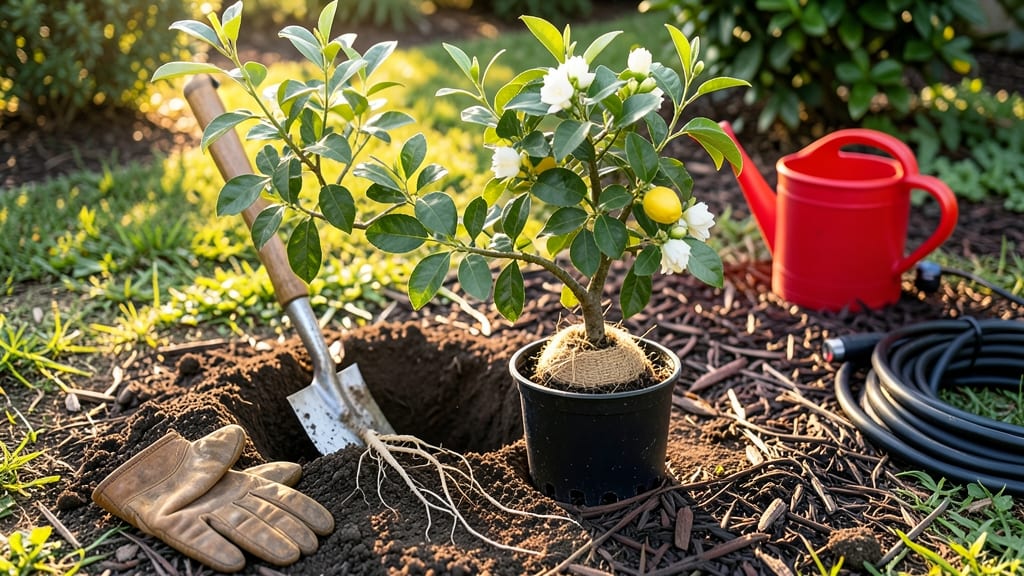
Planting your 🍊 citrus tree at the wrong time in Zone 9 could mean the difference between a thriving orchard and a struggling sapling that never reaches its full potential. Unlike other plants, citrus trees demand precise timing to establish strong roots before summer’s relentless sun kicks in.
Most gardeners in Zone 9 assume spring is the only option, but the best window actually starts earlier—late winter to early spring—when soil temperatures are warming but extreme heat hasn’t arrived yet.
This period gives your citrus tree the perfect head start, reducing stress and setting the stage for years of abundant fruit.
I’ve seen firsthand how planting too late can leave trees vulnerable to heat shock, while planting too early risks cold snaps—even in Zone 9, where frost is rare but not impossible in inland areas. The key is understanding your microclimate and avoiding these common pitfalls.
In this guide, I’ll break down the exact months to plant, how to prepare your soil for optimal growth, and why timing matters more than you might think. Let’s get your citrus tree off to the right start.
Best months to plant citrus trees in Zone 9 for maximum root growth
Citrus trees like lemon, orange, and lime varieties thrive in Zone 9's warm climate, but the right planting time ensures strong root development and long-term health. Unlike colder zones, Zone 9 rarely faces frost, but temperature fluctuations and soil moisture still dictate the best window.
In Zone 9, the ideal planting window spans from late winter to early spring, specifically February through April. This period balances soil warmth (above 60°F) and reduced heat stress compared to summer months. Coastal areas may extend planting slightly later due to milder microclimates.
Here’s why these months work best: March and April offer optimal root establishment before summer’s intense heat. Planting in February is possible in inland areas, but coastal gardeners should wait until March to avoid cool ocean breezes slowing growth.
| Planting Window | Soil Temp | Key Considerations | Best For |
|---|---|---|---|
| Late February | 55-60°F | Inland Zone 9 only; avoid coastal areas | Early root start |
| March | 60-65°F | Balanced warmth; ideal for all Zone 9 | Best overall timing |
| April | 65-70°F | Heat stress risk increases; water deeply | Late-season planting |
| May | 70°F+ | High heat; only for established trees | Transplanting only |
🌱 Pro Tip: Test soil temp with a thermometer—60°F+ ensures root growth.
For coastal Zone 9 (e.g., Los Angeles), I recommend waiting until mid-March to avoid chilly ocean winds that can shock young roots. Inland areas like Phoenix can plant as early as late February, but monitor nighttime temps—below 50°F can damage tender roots.
Citrus trees planted in summer (June-August) face heat stress and water competition, slowing root growth by up to 40%. If you must plant later, choose dwarf varieties like Calamondin or Meyer lemon, which tolerate heat better than standard types.
Another critical factor is soil moisture. Zone 9’s clay-heavy soils retain water, which can suffocate roots if not amended. Always plant in well-draining soil with a 2-3 inch mulch layer to retain moisture without waterlogging. Organic matter like compost improves drainage and nutrient availability.
If you’re planting bare-root citrus trees, do so in early spring (March) to allow roots to establish before summer. Container-grown trees can handle April planting, but avoid transplant shock by keeping them in pots until roots fill the container.
One common mistake is planting citrus trees in fall (September-November). While Zone 9 rarely freezes, cool, wet soil promotes root rot and fungal diseases. Save fall for soil prep—amend beds with compost and adjust pH to 6.0-7.0—but delay planting until spring.
For maximum fruit production, prioritize root health over quick growth. A tree planted in March with proper soil prep will bear fruit in 2-3 years, while a summer-planted tree may take 4+ years to fruit. Patience pays off—healthy roots mean stronger branches and heavier harvests!
Best months to plant citrus trees in Zone 9 for maximum root growth
In Zone 9, citrus trees like lemon, orange, and lime thrive year-round, but planting timing still matters for root establishment and long-term health. The ideal window is late winter through early spring—specifically February to April—when soil temperatures warm but extreme heat hasn’t arrived yet.
This balance gives roots time to spread without stress from summer drought or winter chills.
Coastal areas like Los Angeles and San Diego can plant slightly earlier (January-February) thanks to milder microclimates, while inland regions like Phoenix should wait until March to avoid sudden heat spikes.
Even in Zone 9, a late-season frost (28°F or below) can damage young citrus, though it’s rare. Planting too late (May or June) risks transplant shock during peak summer heat.
🌱
| Planting Window | Soil Temp | Key Benefit | Avoid |
|---|---|---|---|
| Late February - Early March | 55-65°F | Balanced root growth, minimal frost risk | Planting before soil warms |
| March - April | 60-75°F | Optimal root expansion, full sun adaptation | Heat stress in containers |
| May (coastal only) | 70-80°F | Avoids summer drought for established roots | Transplant shock in extreme heat |
For container-grown citrus, timing shifts slightly—plant in March to avoid overheating roots in pots. Containers dry out faster, so young trees need daily watering during Zone 9’s summer months.
If you’re transplanting an established citrus tree, do it in late winter (January-February) to minimize stress. Prune back 1/3 of the foliage before transplanting to reduce shock.
Zone 9’s Mediterranean climate means summer drought is a bigger threat than cold. Planting in spring ensures your citrus has 6-8 weeks of cooler weather to establish roots before the heat peaks.
Avoid planting in fall—while it’s common in cooler zones, Zone 9’s mild winters mean citrus can grow year-round, and fall planting often leads to root burn from summer heat.
Pro tip: Test your soil’s drainage before planting. Citrus hates soggy roots—amend heavy clay soils with compost or sand to prevent waterlogging. Mulch with wood chips after planting to retain moisture and regulate soil temperature. 🪴