
Trees
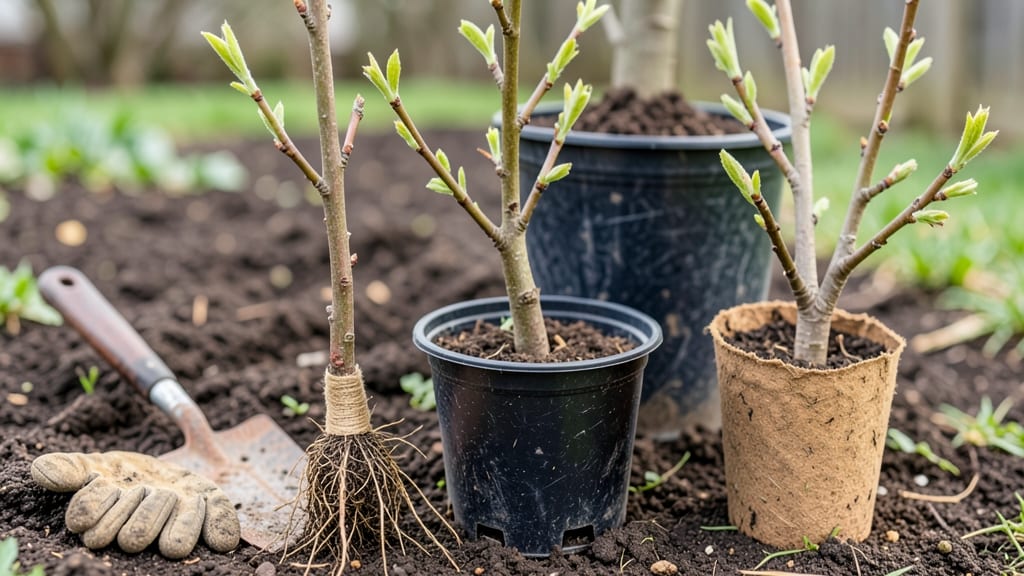
Timing your fruit tree planting in Zone 6 can make or break your harvest—especially when those chill hours are non-negotiable for reliable blooms. 🍎 Whether you're dreaming of crisp apples or juicy peaches, getting the window right means the difference between a thriving orchard and years of disappointment.
Most gardeners in Zone 6a-6b know the basics—spring or fall—but the devil’s in the details. Plant too early, and frost can shock delicate roots; too late, and your tree might struggle to establish before winter.
I’ll walk you through the exact planting windows for bare-root, dormant, and container-grown trees, so you can match varieties to your last frost date like a pro.
What if your spring arrives late or fall brings unexpected warmth? Don’t worry—I’ve got backup strategies for adjusting planting times, from soil temperature checks to mulching hacks that protect young roots.
You’ll also learn how to prep your soil, space your trees, and care for them post-planting to set up a bountiful harvest in just a few seasons.
Ready to turn your backyard into a fruit-filled paradise? Let’s dive into the science and practical steps that’ll have your fruit trees thriving—no guesswork required.
Zone 6 fruit tree planting timeline: chill-hour requirements by variety
In Zone 6, where winter chill hours determine whether fruit trees bloom and bear fruit, timing your planting correctly is critical. Most fruit trees need 500-1,000 chill hours (temperatures between 32-45°F) to trigger spring blooms. Planting at the wrong time can delay fruiting or even prevent it entirely.
For example, apple trees and cherries thrive in Zone 6 with 800-1,000 chill hours, while peaches and plums need 500-700 chill hours. Matching your tree’s chill-hour needs to your last frost date ensures timely blooms and fruit production.
Here’s a quick reference to align planting with chill-hour requirements and bloom timing:
If you’re planting bare-root trees in fall (September-October), they’ll establish roots before winter and bloom earlier the following spring. For container-grown trees, early spring (March-April) gives roots time to adapt before summer heat.
Pro tip: Use a soil thermometer to confirm soil temps are above 40°F before planting—cold soil can stunt root growth. In Zone 6, aim for spring planting after your last frost date (around April 15) or fall planting 6-8 weeks before first frost (mid-September).
For low-chill varieties like figs or kiwis, you can plant as late as May, but they’ll need winter protection. Always check the specific variety’s chill-hour range on the tag or nursery label.
Mulch newly planted trees with 3-4 inches of organic mulch (like wood chips) to retain moisture and regulate soil temperature. This helps roots establish faster, especially if you plant in late spring or summer.
Remember: Early spring planting (March-April) is ideal for most fruit trees in Zone 6, but fall planting works too—just avoid planting when soil is frozen or waterlogged. With the right timing, your tree will reward you with bountiful harvests for decades.
Best months to plant fruit trees in Zone 6: dormant vs. bare-root vs. container-grown
In Zone 6, timing your fruit tree planting isn't just about avoiding frost—it's about matching your tree's dormancy cycle with the soil's readiness. The best windows are early spring (March-April) and fall (September-October), but each method has unique advantages.
I've planted both bare-root and container-grown trees, and the difference in establishment success is night and day.
Bare-root trees are most successful when planted in early spring (March-April) before buds swell, giving roots 6-8 weeks to establish before summer heat. However, fall planting (September) works too, as long as the ground isn't frozen.
Container-grown trees offer more flexibility—they can go in spring, summer, or fall, but early fall (September-October) gives roots time to settle before winter.
Planting Method Comparison
| Method | Best Time | Pros | Cons |
|---|---|---|---|
| Bare-Root | Early Spring (March-April) | Cheaper, faster root growth | Limited planting window |
| Container-Grown | Spring-Fall (March-October) | Flexible timing, established roots | More expensive, slower establishment |
| Dormant (Potted) | Fall (September-October) | Winter protection, spring growth boost | Requires winter care |
For bare-root trees, I always soak the roots for 4-6 hours before planting to rehydrate them. Dig a hole twice as wide as the root ball but only as deep—planting too deep can suffocate the tree.
Amend the soil with compost and a balanced fertilizer (10-10-10) to give it a nutrient boost right away.
Container-grown trees are my go-to for summer planting (June-July), especially in Zone 6 where heat waves can stress new transplants. The key is to water deeply every 5-7 days and use mulch to retain moisture.
I’ve had great success with peach trees planted in late summer—they establish roots before the next frost and bloom beautifully the following spring.
If you’re planting in fall, focus on apples and cherries, which benefit from winter chilling. Avoid planting stone fruits like peaches late—they need time to harden off before cold snaps.
Always check your last frost date (typically April 15 in Zone 6) and plant at least 4-6 weeks before it to give roots time to knit.
Pro tip: If you miss the ideal window, container-grown trees can be planted in late spring (May) with extra care—just shade cloth and daily watering for the first month. I’ve rescued many a stressed tree this way! 🌱