
Plants
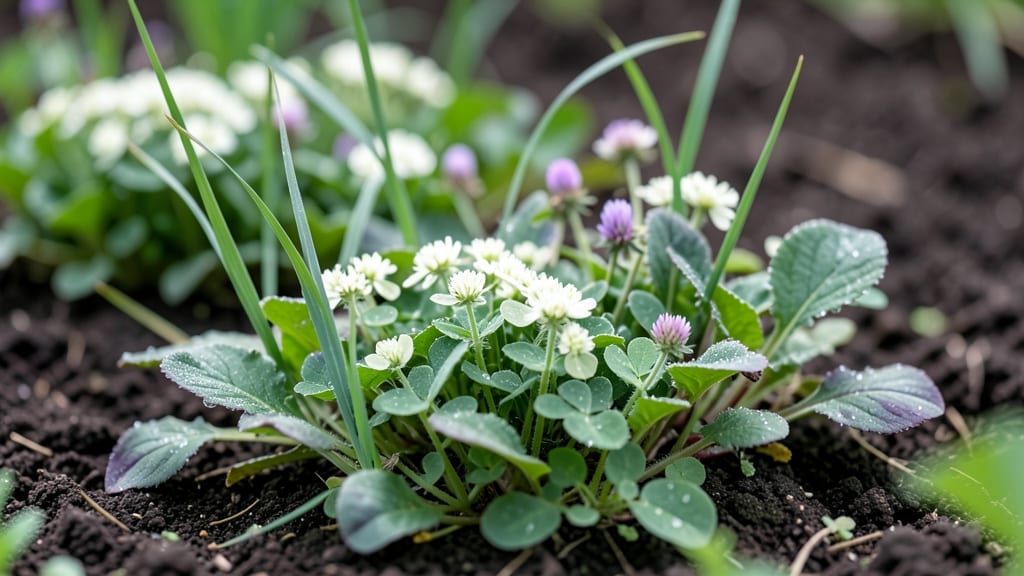
If you’ve ever wondered why some Louisiana hunters fill their freezers while others struggle to get deer near their food plots, the answer lies in when you plant them. 🦌 Timing isn’t just about throwing seeds in the ground—it’s about creating a winter buffet that deer can’t resist when natural forage runs thin.
The late summer to early fall window (August–September) is your golden ticket in Louisiana’s 8a-9b zones, but planting too early means overgrowth before hunting season, and too late risks frost nibbling your investment.
I’ll break down the exact schedule landowners here swear by to turn their properties into deer magnets—plus the crops that thrive in our heat and humidity.
You’ll discover how to sync your planting with deer behavior, avoid common mistakes that waste money, and even adjust for Louisiana’s unpredictable weather. Ready to transform your plot into a year-round deer destination? Let’s get started.
Whether you’re a first-time planter or a veteran looking to refine your strategy, these insights will help you maximize your food plot’s potential. No more guessing—just proven tactics for Louisiana’s unique climate.
Louisiana food plot planting calendar: best months for winter deer browsing
Timing your food plot planting in Louisiana means understanding the humid subtropical climate and deer browsing patterns. The two best windows are late summer (August-September) for warm-season crops and early fall (October-November) for cool-season staples.
These periods align with deer's natural food scarcity before winter, ensuring your plot becomes their winter buffet.
Louisiana’s USDA Zones 8a-9b mean frost-free growing seasons of 240-280 days. This long season lets you plant two distinct crops: warm-season mixes like sorghum-sudangrass (August-September) and cool-season favorites like clover and brassicas (October-November). The key is planting 6-8 weeks before deer browsing peaks in November-December.
🌱 Visual Guide: Louisiana Food Plot Planting Timeline
| Season | Planting Window | Best Crops | Deer Appeal |
|---|---|---|---|
| Late Summer | August - September | Sorghum-Sudangrass, Millet, Cowpeas | High (fast-growing, protein-rich) |
| Early Fall | October - November | Clover, Brassicas, Winter Rye | Very High (nutrient-dense, persistent) |
| Winter (Emergency) | December (if frost-free) | Austrian Winter Peas, Radishes | Moderate (fast regrowth) |
For warm-season crops like sorghum-sudangrass, plant in late August to establish roots before September heat. These crops grow 6-8 feet tall in 60 days, providing lush forage before deer need it most. In North Louisiana (Zone 8a), aim for September 1st planting to avoid early frosts.
Cool-season crops like crimson clover and brassicas thrive when planted October 15th-November 1st. These nitrogen-fixing plants improve soil while offering year-round grazing. In South Louisiana (Zone 9b), you can extend this window until November 15th due to milder winters.
Adjust for early freezes by monitoring National Weather Service alerts. If frost threatens before November 15th, opt for fast-maturing brassicas like turnips (ready in 45 days) or radishes (ready in 30 days). These cool-season staples survive light frosts and regrow quickly in spring.
Pro tip: Plant a mix of warm and cool-season crops to extend deer browsing from September through March. For example, August sorghum-sudangrass gives way to October clover, then November brassicas. This layered approach ensures deer always have fresh forage, even during Louisiana’s mild winters.
Soil temperature is critical—warm-season crops need 65°F+ soil, while cool-season crops thrive at 50-60°F. Use a soil thermometer to confirm readiness. In humid Louisiana, overwatering is a common mistake; aim for 1 inch of water per week once established.
Don’t forget plot rotation. Plant new areas each year to prevent soil depletion and disease buildup. Mark your planting calendar now: August for warm-season, October for cool-season, and December for emergency crops if frost-free. Your deer will thank you with daily visits during hunting season.
🦌 For maximum deer traffic, place plots near bedding areas or trails and avoid dense forest edges. Deer prefer open fields with 6+ hours of sun—just like your food plot!
Louisiana food plot planting calendar: best months for winter deer browsing
Louisiana’s humid summers and mild winters create two prime windows for planting food plots: late summer and early fall. The key is aligning your planting with deer behavior—bucks are most active during rutting season (October–November), so you want lush forage available then.
Planting too early (like June) risks overgrowth, while waiting until October leaves deer with little to eat before winter.
For warm-season crops (like sorghum-sudangrass), aim for August 1–15—this gives plants 60–90 days to mature before cooler weather sets in. Cool-season crops (clover, brassicas) should go in September 15–October 15, ensuring they establish before the first frost (December 1 in most of Louisiana).
Here’s how to adjust for your specific USDA Zone (8a–9b):
| Planting Window | Best Crops | Deer Appeal | Notes |
|---|---|---|---|
| August 1–15 | Sorghum-Sudangrass, Millet, Cowpeas | High protein, attracts bucks | Plant before 90°F+ heat waves |
| September 1–15 | Crimson Clover, Winter Rye, Turnips | Winter forage, deer love tender leaves | Avoid planting after Oct 15 (frost risk) |
| October 1–15 | Austrian Winter Peas, Triticale | Cold-hardy, extends browsing season | Use for late-season bucks |
If you’re in Zone 9b (southern Louisiana), you can push warm-season crops slightly later—even into early September. But in Zone 8a (northern parishes), stick to the earlier windows to avoid early frosts.
Pro tip: Check your local frost dates and plant cool-season crops 4–6 weeks before the first frost for maximum growth.
For year-round deer attraction, mix warm-season and cool-season crops. Plant sorghum-sudangrass in August for fall browsing, then follow up with clover or winter rye in September for winter forage. This creates a continuous buffet that keeps deer visiting year-round.
Timing isn’t just about the calendar—it’s about soil temperature and deer behavior. Warm-season crops need soil temps above 65°F, while cool-season crops thrive when temps drop below 80°F. Use a soil thermometer to confirm before planting.