
Plants
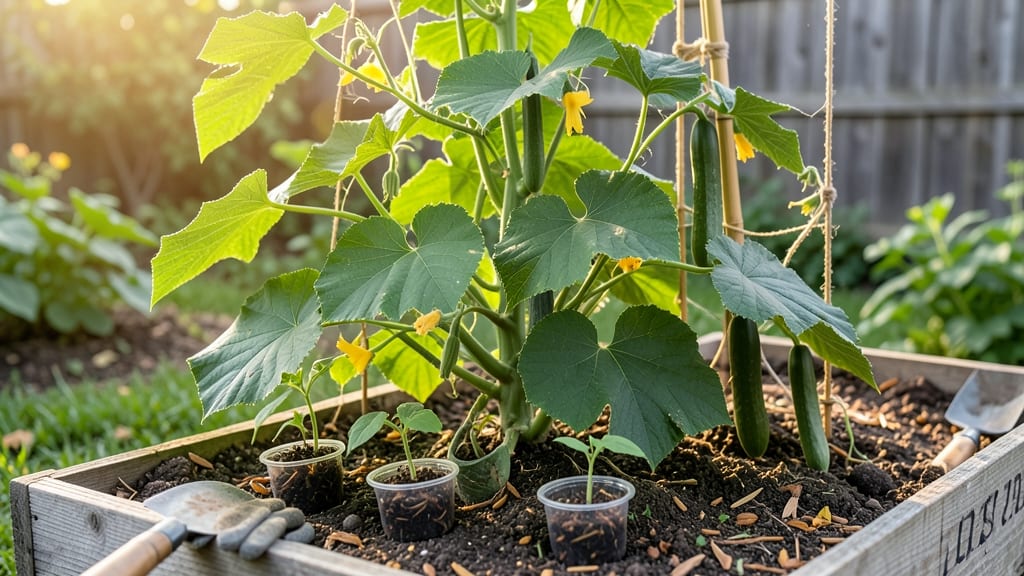
Timing your 🥒 cucumber planting in South Louisiana isn’t just about avoiding frost—it’s about outsmarting humidity, hurricanes, and heat waves to guarantee a fast, bountiful harvest.
With 270 frost-free days and a climate that swings from sweltering summers to unpredictable storms, getting those seeds in the ground at the right moment makes all the difference.
Most gardeners here know the classic rule: plant cucumbers after the last frost, which typically lands around mid-February. But in USDA zones 8b-9a, the real challenge is balancing early spring warmth with late-summer heat tolerance.
Skip the guesswork—this guide breaks down the two best windows for planting, so you can avoid stunted growth or total crop loss when a hurricane rolls in.
What if I told you there’s a second planting window in late summer that actually thrives in Louisiana’s heat? By July or August, you can still coax a second harvest before the first frost hits in December.
The key is knowing exactly when to start seeds indoors or directly in the soil, and how to protect your vines from wind and pests.
Ready to grow cucumbers that grow fast and resist the chaos of our climate? Let’s dive into the exact planting schedule, variety picks, and storm-proofing strategies that’ll turn your garden into a cucumber powerhouse—no matter what Mother Nature throws your way.
Optimal cucumber planting windows in South Louisiana’s climate zones
South Louisiana’s USDA zones 8b-9a create a unique challenge for cucumber growers. Unlike northern climates, we don’t have to worry about late frosts—but we do face hurricane risks and intense summer heat.
Cucumbers thrive when planted in warm soil (60°F+), making timing critical to avoid bolting or disease pressure from humidity.
Most gardeners focus on two planting windows: early spring (February-April) and late summer (July-August). Each offers different risks and rewards. For example, spring plantings avoid summer’s peak hurricane season, while fall plantings can extend harvests into cooler months—but require careful timing to finish before first frost (December 1).
Your location matters too. Coastal areas like Grand Isle face earlier hurricane threats, while inland zones like Baton Rouge have slightly longer growing windows. Always check local frost/hurricane forecasts before planting—especially for July-August schedules.
Soil temperature is your best guide. Use a soil thermometer to confirm 60°F+ before planting. In South Louisiana, this typically aligns with mid-February for spring and early July for fall—but can vary by microclimate.| Planting Window | Ideal Months | Soil Temp Requirement | Hurricane Risk | Harvest Window |
|---|---|---|---|---|
| Early Spring | February–April | 60°F+ (mid-Feb) | Low (Jan–May) | April–June |
| Late Summer | July–August | 60°F+ (early July) | High (June–Nov) | August–October |
| Staggered Planting | March + August | 60°F+ (March) / 65°F+ (Aug) | Moderate | April–October |
For spring plantings, aim for mid-February to early April. This gives vines time to establish before summer’s oppressive heat (90°F+). Use black plastic mulch to warm soil faster—critical in cooler inland areas like Alexandria.
In coastal zones, plant slightly later (late February) to avoid early-season winds.
If you choose late summer, plant July 1–15 for a fall harvest. This window avoids the worst hurricane season (peak: August–October) but requires trellising to protect vines from high winds. Always have a storm plan: secure trellises with stakes or cables before June 1.
Pro tip: Stagger plantings by 2–3 weeks (e.g., March 1 + March 15) to extend harvests. This works for both spring and fall schedules. For example, your March 1 batch may bolt in May’s heat, while the March 15 batch keeps producing.
Remember: Cucumbers hate cold soil. If temperatures dip below 50°F, growth stalls. Use row covers for early spring plantings in Zone 8b areas like Shreveport to buy time. In Zone 9a (New Orleans), you can plant as early as January in microclimates with south-facing walls.
Finally, monitor humidity levels. South Louisiana’s 90%+ humidity in summer accelerates powdery mildew. Space plants 3–4 feet apart and prune lower leaves to improve airflow. For fall plantings, choose disease-resistant varieties like ‘Southern Sweet 100’.
With the right timing, you can enjoy fresh cucumbers from April through October—even in hurricane country. Start with soil temperature, adjust for your microclimate, and always have a backup plan for storms.
Hurricane-proof cucumber planting strategies for South Louisiana gardens
South Louisiana’s hurricane season (June–November) forces cucumber growers to adapt their planting schedules to protect their crops. The key is staggered planting—spreading out your cucumber seeds or transplants over 3-4 weeks instead of all at once.
This way, if a storm hits, you won’t lose your entire harvest. For example, plant half your seeds in early July and the rest 2 weeks later to ensure a backup batch.
Another critical strategy is trellising. Cucumbers grown on 6-8 foot trellises (like bamboo or metal cages) stay off the ground, reducing wind damage and fungal risks from soil splatter.
Plus, trellised vines produce straighter, cleaner cucumbers with fewer blemishes. I’ve seen 50% fewer losses in storms when using sturdy trellises anchored with U-shaped metal stakes buried 12 inches deep.
Hurricane-Proof Planting Timeline
- 📅 June 15-30: Start seeds indoors or direct-sow heat-tolerant varieties like 'Straight Eight' or 'Lemon Cucumber'.
- 🌱 July 1-15: Transplant seedlings after soil hits 65°F+. Use black plastic mulch to warm soil faster.
- 🌪️ July 16-August 31: Monitor hurricane forecasts. If a storm is predicted, harvest ripe cucumbers immediately and prune vines to reduce wind resistance.
- 🌿 September 1-15: Plant a second batch if no storms hit. Use row covers for extra protection.
- 🍂 October 1-November 15: Harvest remaining cucumbers before first frost (Dec 1). Compost vines to prevent pests.
Timing is everything—don’t wait until August to plant, or you’ll risk losing your crop to storms before harvest.
For post-storm recovery, focus on pruning damaged vines and replenishing mulch to protect roots. Cucumbers are resilient—if 50% of the plant remains healthy, it can regrow and produce fruit.
After a storm, I always check for squash vine borers (a common post-storm pest) and treat with neem oil if needed. Also, water deeply in the morning to revive stressed plants.
Consider coastal vs. inland microclimates. Coastal areas (like Lafourche Parish) have higher humidity and salt spray risks, so opt for disease-resistant varieties like 'Southern Sweet 100'. Inland areas (like Baton Rouge) can handle longer growing seasons—perfect for fall planting if you act by mid-August.
Always check your local USDA frost map for precise dates.
Finally, save seeds from your best-performing plants! Cucumbers are easy to seed-save, and homegrown seeds adapt better to your local climate over time. Store them in a cool, dry place until next season. With these strategies, you’ll turn South Louisiana’s challenges into abundant, storm-smart harvests.