
Plants
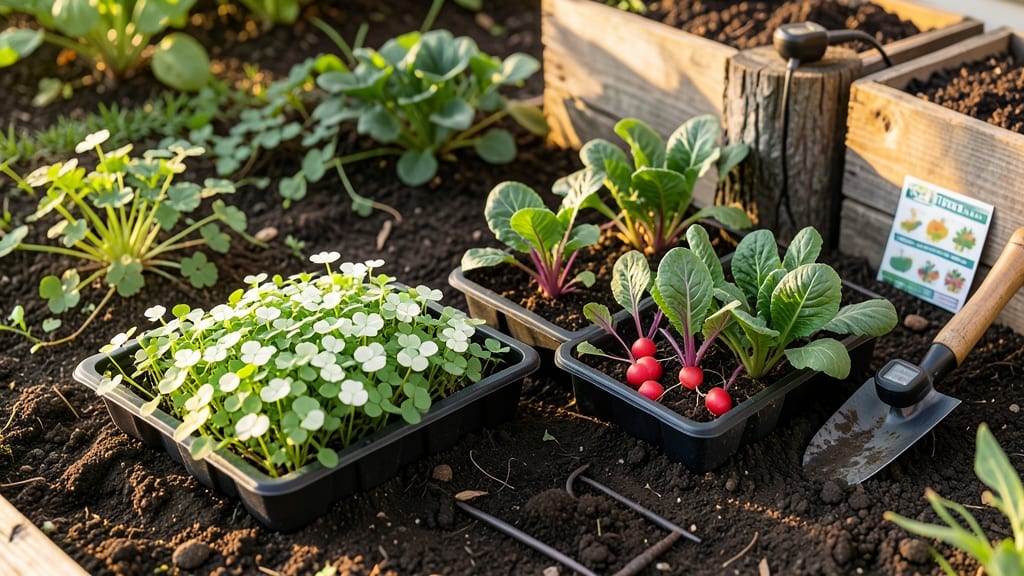
When to plant food plots in Texas isn’t just about throwing seeds in the ground—it’s about working with the state’s unpredictable climate to create a deer magnet. Whether you’re in the cooler North Texas zones or the balmy South, planting at the wrong time can leave your plots struggling before they even take off.
I’ve seen firsthand how a 3-week difference in planting can mean the difference between a lush, thriving food source and a patch of dirt. The key is understanding your specific region’s frost dates, soil temperatures, and even microclimates that can shift 50 miles apart.
Let me break down the exact windows you need to hit for peak deer activity year-round.
From cool-season clovers that love North Texas’s crisp spring air to warm-season brassicas thriving in the South’s long summers, each crop has its perfect moment. We’ll cover soil prep hacks to beat Texas’s droughts and pests, plus how to rotate crops so your plots stay productive from spring through fall.
Ready to turn your property into a deer destination? Let’s dive into the zone-specific calendar that’ll have bucks visiting your stand like it’s an all-you-can-eat buffet.
Texas food plot planting calendar by climate Zone (North vs. South)
Texas’s diverse climate zones create wildly different planting windows for food plots—what works in North Texas may fail in South Texas. The state spans from USDA Zone 6b in the Panhandle to Zone 9a near the Gulf Coast, meaning frost dates and soil temperatures vary dramatically.
For deer hunters, this means cool-season crops like clover thrive in North Texas winters while South Texas landowners focus on warm-season grasses like sorghum.
Your last frost date is the #1 factor. In North Texas, average last frosts range from March 15 (Zone 7) to April 1 (Zone 8), while South Texas sees frost-free conditions by February 1 in coastal areas.
Planting too early risks frost damage, while waiting too long reduces growing season for deer forage before hunting season.
Here’s how to align your planting with Texas’s three key regions for maximum deer activity:
🌱 Texas Food Plot Planting Calendar by Zone
| Zone & Location | Cool-Season Crops (Clover, Rye, Brassicas) |
Warm-Season Crops (Sorghum, Millet, Sunflowers) |
Key Deadlines |
|---|---|---|---|
| North Texas (Zone 7-8) Example: Dallas, Wichita Falls |
Planting: Sept 15–Oct 15 Peak Forage: Nov–Mar |
Planting: April 15–May 15 Peak Forage: June–Oct |
Last Frost: March 15 First Frost: Nov 15 |
| Central Texas (Zone 8-9) Example: Austin, San Antonio |
Planting: Oct 1–Nov 15 Peak Forage: Dec–Feb |
Planting: March 15–April 30 Peak Forage: May–Sept |
Last Frost: Feb 15 First Frost: Dec 1 |
| South Texas (Zone 9-10) Example: Corpus Christi, Brownsville |
Planting: Sept 1–Oct 15 Peak Forage: Oct–Jan |
Planting: Feb 15–March 30 Peak Forage: Apr–Nov |
Last Frost: Jan 1 First Frost: Rare (Dec in mountains) |
💡 Pro Tip: Use a soil thermometer—warm-season crops need 65°F+ soil temps, while cool-season crops thrive at 50–60°F.
For North Texas, prioritize September planting of clover and rye to establish roots before winter.
In Central Texas, shift to October to avoid early frosts, while South Texas landowners can plant cool-season crops in September and still enjoy forage through January. Warm-season crops like sorghum-sudangrass should always go in after the last frost, with April–May being ideal in North Texas and March in South Texas.
Soil preparation is non-negotiable. Texas soils often lack organic matter and phosphorus, critical for food plot success.
Conduct a soil test (costs ~$20 via local extensions) and amend with compost or phosphorus-rich fertilizer (10-20-10 ratio) 4–6 weeks before planting. Disk or till to a depth of 6–8 inches to break compacted layers common in Texas’s clay-heavy soils.
Water management separates good food plots from great ones. In North Texas, establish irrigation for cool-season crops if rainfall drops below 1 inch/week during establishment. South Texas plots may need drip irrigation during summer to prevent drought stress in warm-season grasses.
Mulch with straw after planting to retain moisture and suppress weeds—critical in Texas’s 100°F+ summers.
Don’t overlook companion planting to extend deer forage windows. Pair clover (cool-season) with sunflowers (warm-season) for a spring-to-fall food source. In South Texas, mix teff grass with indian blanket flowers to attract deer year-round.
Rotate crops annually to prevent soil depletion and pest buildup, which are major issues in Texas’s high-heat, high-humidity conditions.
Track your local first frost dates using the Texas A&M AgriLife Extension’s frost map. For example, Lubbock (Zone 7) averages its first frost on November 15, while Houston (Zone
Texas food plot planting calendar by climate Zone (North vs. South)
Texas’s vast geography creates three distinct planting zones—North, Central, and South—each with unique frost-free dates and optimal planting windows.
In the North Texas zone (Panhandle to Dallas), cool-season crops like clover thrive when planted late August to early October for fall growth, while warm-season crops like sorghum should go in April to May.
Central Texas (Austin to San Antonio) offers a 60-day longer growing season, letting you plant cool-season crops as late as November.
Southern Texas (Houston to the Rio Grande Valley) has no frost risk, allowing year-round planting for warm-season crops. However, even here, cool-season crops like ryegrass perform best when planted September to November for winter forage.
Always check your local USDA zone—North Texas is Zone 7-8, while South Texas is Zone 9-10—to fine-tune your schedule.
Soil temperature is your best guide: Warm-season crops need soil at 60°F+, while cool-season crops thrive below 70°F. Use a soil thermometer to avoid planting too early or late. For example, in East Texas, warm-season plots planted in March may struggle if soil stays cool, while South Texas can plant as early as February.
| Zone | Cool-Season Planting | Warm-Season Planting | Key Notes |
|---|---|---|---|
| North Texas (7-8) | Late Aug–Early Oct | April–May | First frost: Nov 15–Dec 15 |
| Central Texas (8) | Mid-Sept–Nov | March–April | First frost: Nov 1–Dec 1 |
| South Texas (9-10) | Sept–Nov | Feb–March | No frost risk |
For maximum deer activity, align your planting with hunting seasons. Fall food plots (cool-season crops) should be established 6–8 weeks before archery season (October–November) to ensure lush growth.
In South Texas, where deer browse year-round, consider overlapping plantings—warm-season crops in spring and cool-season crops in fall—to maintain forage availability.
Don’t overlook soil preparation—Texas’s clay-heavy soils need adequate drainage. Test your soil’s pH (6.0–7.0 ideal) and amend with lime or sulfur as needed. In drought-prone areas, prioritize deep-rooted crops like chicory or brassicas, which tolerate dry spells better than shallow-rooted clovers.
Pro tip: Use cover crops like winter rye or annual ryegrass to suppress weeds and improve soil health between main plantings. These can be aerial-seeded in late summer and provide early-season forage for deer before your primary plots mature.