
Flowers
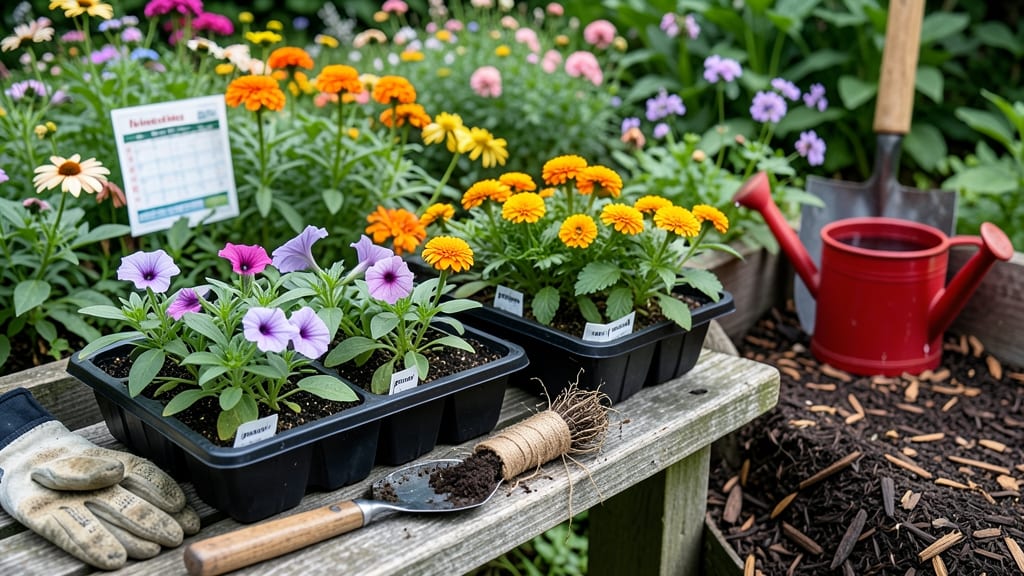
Planting flowers in St. Louis at the wrong time can mean the difference between a garden bursting with color and a sad, frost-bitten disappointment.
The city’s unique climate—with its last frost typically around April 15 and first frost creeping in by November 1—demands precision timing to give your blooms the best shot at thriving.
I’ve spent years watching my own gardens transform when I nail the planting schedule, and the key is understanding how seasonal cues like soil temperature and humidity shape success.
Whether you’re dreaming of fragrant spring bulbs or hardy fall perennials, knowing the perfect window for each variety ensures your flowers take root strong and bloom vibrantly.
Let’s break down the ideal months for planting annuals, perennials, and bulbs—plus how to adjust for container gardens or heatwaves that can throw off even the best-laid plans.
You’ll discover which flowers thrive when planted early, which wait for warmer soil, and how to stretch your blooming season from spring all the way to frost.
By the end, you’ll have a clear, St. Louis-specific roadmap to planting 🌱 flowers that not only survive but shine year after year. Ready to turn your garden into a showstopper?
St. louis frost dates and best planting months by flower type
St. Louis sits in USDA Hardiness Zone 6a, where frost dates dictate your planting schedule. The average last frost hits around April 15, while the first frost typically arrives November 1. These dates create a 225-day growing season—perfect for planning your flower beds with precision.
Your planting strategy depends on whether you’re growing annuals, perennials, or bulbs. Annuals like petunias and marigolds need to wait until after the last frost, while hardy perennials like coneflowers can go in as early as March.
Bulbs, however, have their own unique timing—spring-blooming tulips should be planted in fall, not spring!
For heat-sensitive varieties like impatiens, wait until May 15 to avoid wilting in St. Louis’ 90°F+ summer heat. Meanwhile, cold-hardy flowers such as pansies and snapdragons can handle early spring plantings as soon as the soil warms to 50°F.
🌱 Pro Tip: Use the Missouri Botanical Garden’s frost calendar as your guide—it accounts for St. Louis’ unpredictable humidity swings and late spring frosts.
🌱 St. Louis Flower Planting Timeline by Type
| Flower Type | Best Planting Month | Key Consideration | St. Louis-Specific Tip |
|---|---|---|---|
| Spring-Blooming Bulbs (Tulips, Daffodils) | October–November | Plant before ground freezes | Use mulch to protect from winter heaving. |
| Perennials (Coneflowers, Black-Eyed Susans) | March–April | Early spring for root establishment | Avoid planting if soil temps are below 55°F. |
| Annuals (Petunias, Marigolds) | May–June | After last frost date | Use row covers for late frosts (up to May 10). |
| Fall-Blooming Bulbs (Crocus, Hyacinths) | September–October | 6–8 weeks before first frost | Plant in well-draining soil to prevent rot. |
| Heat-Loving Annuals (Lantana, Zinnias) | June–July | After soil warms to 65°F+ | Mulch to retain moisture during summer droughts. |
St. Louis’ humidity levels (often 70–80% in summer) can stress flowers, so container gardening is a smart option for heat-sensitive varieties. Containers warm up faster in spring, giving you a 2–3 week head start on in-ground planting.
For container flowers like geraniums or begonias, start seeds indoors by March 1 and transplant after May 15. This avoids the late spring chill that can stunt growth.
🌿 Missouri Botanical Garden Insight: Their trials show deadheading spent blooms on coneflowers in August extends the season by 4–6 weeks—a hack worth trying!
If you’re unsure about your microclimate, observe your neighbors’ gardens. Urban areas (like Downtown) can be 5–10°F warmer than rural zones, delaying frost by 1–2 weeks. Adjust your planting dates accordingly!
💧 Watering Note: After planting, keep soil consistently moist (not soggy) for the first 2 weeks to encourage root growth—critical in St. Louis’ dry spring winds.
Top 5 flowers to plant in St. louis for year-round color
St. Louis gardeners love flowers that thrive in USDA Zone 6a-6b and bring color from spring through fall. These top 5 varieties are proven winners in Missouri’s climate, offering low-maintenance beauty with minimal fuss.
I’ve planted all of them in my own garden, and they consistently deliver bold blooms even during St. Louis’ hot summers and humid springs.
Each flower has a specific planting window to maximize growth before extreme heat or frost arrives. For example, petunias need to go in after the last frost, while daylilies can handle early spring planting. Let’s dive into the best choices for your garden beds and containers.
-
1. Black-Eyed Susan (Rudbeckia hirta)
🌡️ Planting Months: March–May | Sun Needs: Full sun | Color: Golden-yellow -
2. Coneflower (Echinacea purpurea)
🌡️ Planting Months: April–June | Sun Needs: Partial sun | Color: Purple-pink -
3. Petunia (Petunia × hybrida)
🌡️ Planting Months: May–June (after frost) | Sun Needs: Full sun | Color: Multi-color -
4. Daylily (Hemerocallis)
🌡️ Planting Months: March–April | Sun Needs: Full sun–partial shade | Color: Orange, yellow, red -
5. Salvia (Salvia nemorosa)
🌡️ Planting Months: April–May | Sun Needs: Full sun | Color: Blue-purple
These flowers aren’t just pretty—they’re drought-tolerant once established, perfect for St. Louis’ summer heat waves. For example, coneflowers thrive with minimal watering after their first year, while petunias need consistent moisture to prevent wilting. I always mulch around their bases to retain soil moisture and suppress weeds.
If you’re planting in containers, opt for petunias or salvia—they handle limited root space beautifully. Just ensure your pots have drainage holes to avoid root rot during St. Louis’ humid summers. For in-ground planting, Black-Eyed Susans and daylilies spread easily, creating long-lasting borders.
For fall color, don’t overlook mums (Chrysanthemums)—plant them in late summer (August) for autumn blooms before the first frost. They’re a St. Louis favorite and pair well with goldenrod for a warm-season palette.
I’ve seen gardens in the Missouri Botanical Garden use them to extend color until November!
Remember, soil preparation is key. Amend your beds with compost before planting to improve drainage and nutrient retention. St. Louis’ clay-heavy soil can be tricky, so a little extra organic matter goes a long way. Happy planting!