
Flowers
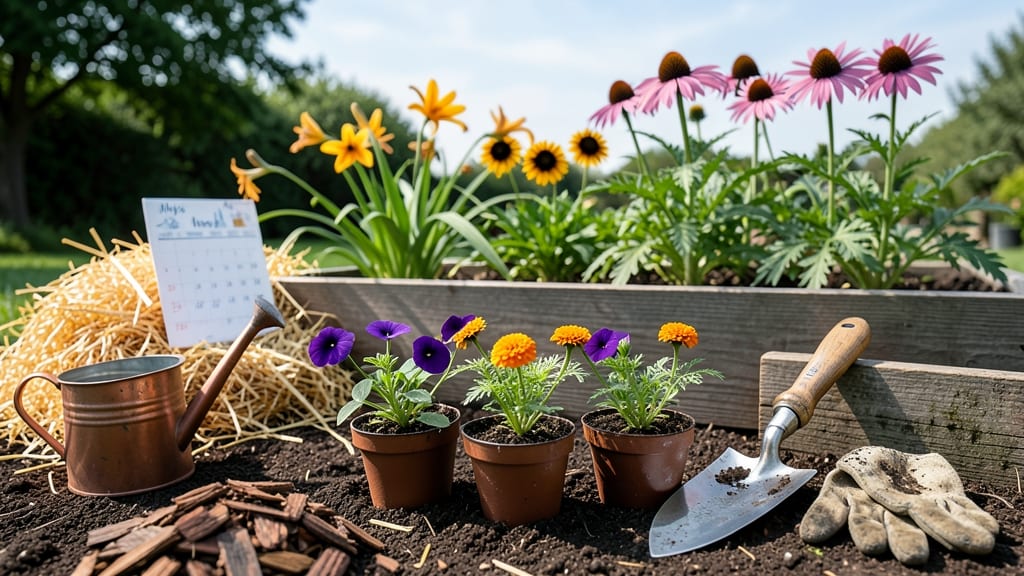
Timing your flowers in CT planting can mean the difference between a showstopping garden and a sad, frost-nipped disappointment. Connecticut’s 5b-7a zones bring unpredictable frost dates that catch even experienced gardeners off guard—especially when you’re eager to see those 🌸 blooms pop up.
You’ve probably heard the general rule: plant in spring. But here’s the catch—spring in Connecticut isn’t one-size-fits-all. Whether you’re dreaming of vibrant annuals, hardy perennials, or spring-blooming bulbs, knowing the exact frost-free windows for your region (like Hartford vs. coastal areas) is the key to success.
Skip the guesswork and learn how to align your planting schedule with Connecticut’s climate quirks.
In this guide, I’ll break down the perfect planting windows for every type of flower, from frost-tolerant perennials to heat-loving annuals. You’ll discover when to start seeds indoors, when to pop bulbs into the ground, and how to stretch your blooming season without risking frost damage.
Let’s get those gardens thriving!
Ready to transform your outdoor space into a year-round floral paradise? The secret starts with a smart planting timeline—one that works with Connecticut’s unpredictable weather. Let’s dive in.
CT frost dates by region: when to plant flowers by last spring frost
Connecticut’s frost dates vary dramatically by region, with coastal areas like New Haven warming weeks earlier than inland cities like Hartford. Understanding these differences is critical for timing your flower plantings—especially for tender annuals that won’t survive even light freezes.
The average last frost across CT ranges from April 15 in coastal zones to May 1 in inland valleys, but late freezes can occur as late as May 10.
For hardy perennials like coneflowers or black-eyed Susans, you can plant as early as late March in protected microclimates, but annuals like marigolds or petunias need to wait until two weeks after your region’s last frost.
Coastal CT gardeners gain 2-3 weeks of planting time compared to inland areas, which is a game-changer for season-long blooms.
Here’s how three key CT regions compare for flower planting windows, including adjustments for microclimates like urban heat islands or sheltered valleys:
| Region | Avg. Last Frost | Safe Planting Window | Risk Zone Notes |
|---|---|---|---|
| Coastal (New Haven, Stamford) | April 1–10 | April 15–May 1 (annuals) March 15–April 1 (perennials/bulbs) |
Warmer microclimates; late freezes rare but possible near water. |
| Inland (Hartford, Middletown) | April 15–May 1 | May 1–15 (annuals) April 1–15 (perennials) |
Higher frost risk in valleys; urban areas warm faster. |
| Northern (Waterbury, Torrington) | May 1–10 | May 15–30 (annuals) April 15–May 1 (perennials) |
Latest frosts in CT; protect tender plants with row covers. |
If you’re planting spring-blooming bulbs like tulips or daffodils, the window is even narrower—late September to early November for fall planting. These bulbs need 6–8 weeks of cold to flower, so timing is critical.
For summer annuals like zinnias or sunflowers, wait until after Memorial Day (May 30) to ensure no frost damage.
Pro tip: Use CT’s USDA Zone 6a–6b as a baseline, but local weather apps like Old Farmer’s Almanac or Weather Underground for real-time updates. I’ve lost entire trays of seedlings to a May 5th frost in Hartford—don’t make my mistake!
For native CT flowers like bee balm or columbine, you can push planting to early spring (March) because they’re cold-hardy. But for tropical annuals like impatiens, wait until after June 1 to avoid frost damage, even in coastal areas.
Microclimates matter: A south-facing wall can add 1–2 weeks to your planting window, while low-lying areas may need row covers until June 1. I’ve seen petunias bloom in July when planted near a brick wall, but frozen in May just 10 feet away.
Track your local frost dates by setting up a free weather station or checking local garden clubs—they often share real-time frost alerts.
In my Zone 6b garden, I mark May 15 as the official start for annuals, but I’ve had to cover plants until June 1 in some years.
Remember: Perennials are forgiving—they’ll bounce back from light frosts—but annuals and bulbs are one-and-done. When in doubt, wait 2 weeks after the average last frost for your region.
Best flower planting schedule in CT: perennials vs. annuals vs. bulbs
Timing your flower plantings in Connecticut isn’t just about the calendar—it’s about understanding how perennials, annuals, and bulbs respond to CT’s Zone 5b-6b climate.
Perennials like coneflowers and black-eyed Susans thrive when planted in early spring (April), while tender annuals like marigolds and petunias need to wait until after the last frost (mid-May).
Bulbs, such as tulips and daffodils, should go in the ground in late fall (October) or early spring (March) for reliable blooms.
Connecticut’s short growing season means every week counts. For spring-blooming bulbs, plant them in March for early-season color, while fall-planted bulbs like crocuses and alliums should be in the ground by October 15 to establish roots before winter.
Annuals, which are the showstoppers of summer, should be sown 2-4 weeks after your last frost date—typically late May in most of CT. Perennials, on the other hand, can be planted in early spring (April) or early fall (September) to avoid summer stress.
| Flower Type | Best Planting Time in CT | Notes |
|---|---|---|
| Spring-Blooming Bulbs (Tulips, Daffodils) | Late Fall (October) or March | Plant bulbs 6-8" deep; mulch after planting. |
| Perennials (Coneflowers, Black-Eyed Susans) | April or September | Hardy perennials tolerate CT’s cooler springs. |
| Annuals (Marigolds, Petunias, Zinnias) | Late May (after last frost) | Start seeds indoors 6-8 weeks before last frost. |
| Fall-Planted Bulbs (Crocuses, Alliums) | October | Early bloomers for spring; naturalize over time. |
If you’re aiming for a long-blooming garden, strategically layer your plantings. Start with early spring bulbs like crocuses (plant in October) to pop up in March, followed by perennials in April, and then annuals in late May.
For a fall display, plant mums and aster in early August—they’ll reward you with color just as summer winds down. Native CT flowers like bee balm and purple coneflower are also excellent choices, as they’re adapted to our climate and require minimal fuss.
Don’t forget about succession planting! For annuals like zinnias or cosmos, sow a second batch in early July to enjoy blooms well into October. This technique extends your garden’s life and ensures you’re never without color.
Just be mindful of CT’s first frost date (mid-October)
For container gardening, annuals like geraniums and begonias can be planted as early as late April in pots, giving them a head start before moving them outdoors after the last frost. This method is perfect for renters or those with limited garden space. Just ensure your containers have drainage holes and use a lightweight potting mix to prevent waterlogging. Finally, keep an eye on your local microclimate. Coastal areas like New Haven tend to have later frost dates (May 10), while inland regions like Hartford may see frost as late as May 20. Adjust your planting schedule accordingly, and always have row covers on hand for those unpredictable late frosts that CT is famous for. With the right timing, your CT garden can burst into color from spring through fall! 🌸