
Plants
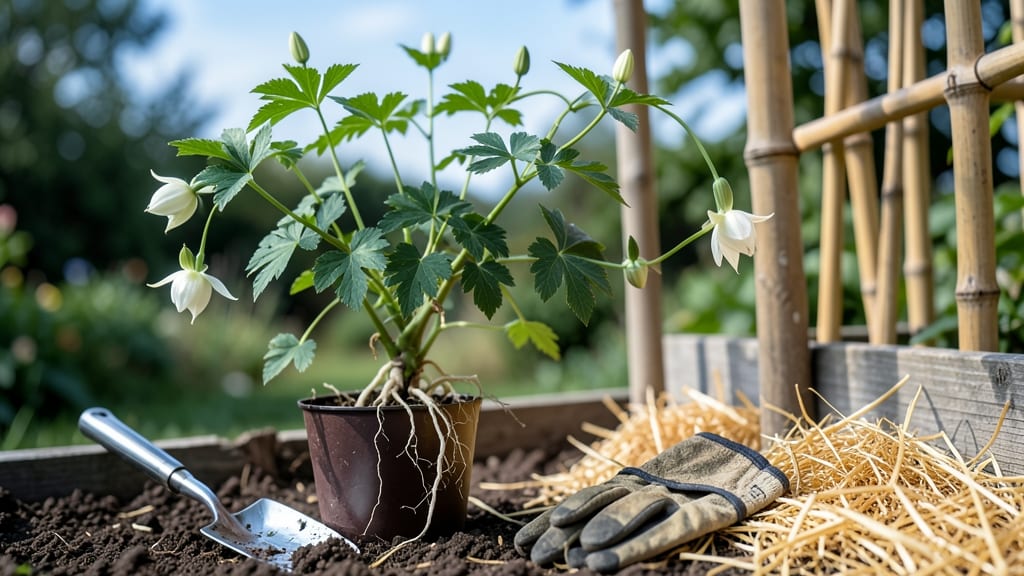
Timing your clematis planting in Ohio could mean the difference between a vibrant, thriving vine and one that struggles to survive the first frost.
The perfect window isn't just about months—it's about understanding your zone, variety, and even soil temperature to give your 🌸 clematis the best shot at rooting deep before winter.
Ohio's Zone 6a climate throws a curveball with unpredictable frost dates, especially in early spring. Plant too soon, and a late freeze could damage tender roots; too late, and your vine might not establish strong enough to handle winter.
The key? Knowing exactly when to plant—whether you're working with bare-root starts or container-grown clematis—and how to protect them once they're in the ground.
I’ll break down the exact months for planting clematis in Ohio, tailored to your specific variety and location. From early spring to fall, we’ll cover soil prep, spacing, and post-planting care to ensure your clematis takes hold—no matter where you are in the state.
Let’s get those roots growing the right way.
Whether you're a seasoned gardener or just starting with clematis, these insights will help you avoid common mistakes and set your vine up for years of stunning blooms. Ready to dig in?
Ohio’s best planting months for clematis by hardiness zone (5-7)
Ohio’s USDA hardiness zones 5a–7b create a tricky balance for clematis planting—too early, and late frosts zap tender roots; too late, and your vines won’t establish before winter. The sweet spot is when soil temps hit 45–50°F (7–10°C), signaling roots can grow safely.
In northern Ohio (zones 5a–5b), aim for late April to mid-May, while southern Ohio (zones 6a–7b) can plant as early as early April.
Fall planting is equally critical—September to early October gives roots time to anchor before frost. Container-grown clematis offers flexibility: plant these 2–3 weeks later than bare-root varieties, as their roots are less vulnerable to cold.
Urban areas may face microclimate delays (e.g., pavement heat), so monitor local frost forecasts via Ohio State Extension’s frost maps.
Here’s how to align your planting with Ohio’s frost-free window (avg. April 15–October 15) for maximum success:
| Zone | Spring Planting Window | Fall Planting Window | Soil Temp Threshold | Key Adjustment |
|---|---|---|---|---|
| 5a–5b (Northern OH) | Late April–Mid-May | Early Sept–Early Oct | 50°F (10°C) | Wait for last frost + 2 weeks |
| 6a (Central OH) | Early–Mid-April | Mid-Sept–Late Oct | 45°F (7°C) | Urban areas: plant 1 week later |
| 7a–7b (Southern OH) | Late March–Early April | Late Sept–Early Nov | 40°F (4°C) | Container plants: extend window by 3 weeks |
🌱 Pro Tip: Use a soil thermometer to confirm temps before planting—cold soil stalls root growth.
Bare-root clematis needs immediate moisture after planting, so water deeply at installation and mulch 3 inches thick with shredded bark to insulate roots. For container-grown plants, remove 1/3 of the root ball before planting to encourage outward growth—this prevents root circling, a common issue in Ohio’s clay-heavy soils.
Ohio’s second frost risk (late April–May) is the #1 enemy of early spring plantings. To mitigate, choose hardier varieties like ‘Jackmanii’ or ‘Niobe’ for zones 5a–5b, or opt for container planting to delay outdoor exposure.
If you miss spring, fall is your second chance—just ensure roots have 6–8 weeks to establish before winter.
Urban gardeners should account for heat islands—sidewalks and buildings can delay frost by 1–2 weeks. Test your microclimate by planting marigolds as indicators: if they survive overnight temps of 30°F (-1°C), your clematis is safer to plant.
After planting, stake your clematis immediately—Ohio’s winds can topple young vines. Use 3–4 stakes per plant and tie with soft fabric (never wire), leaving room for 12–18 inches of growth before securing. This prevents stem breakage during spring storms, a common issue in Ohio’s transition seasons.
For reblooming varieties (e.g., ‘Multiblue’), prioritize early spring planting to maximize their second flush of blooms in late summer. These need strong root systems to support two bloom cycles, so avoid fall planting unless you’re in zone 7b.
Finally, mark your planting date on a garden calendar—Ohio’s 165 frost-free days are your growing window. If you plant after June 1, your clematis may not flower until the following year. Plan accordingly to avoid disappointment!
Clematis variety planting guide: early vs. late bloomers in Ohio’s climate
Ohio’s clematis varieties thrive on precise timing, especially when distinguishing between early bloomers and late bloomers. Early bloomers like ‘Jackmanii’ and ‘Nelly Moser’ need to establish roots before Ohio’s April frost, while late bloomers such as ‘Vyvyan Pennell’ and ‘Multiblue’ can handle slightly later starts.
The difference? Early bloomers rely on last year’s growth to flower, while late bloomers produce blooms on new growth—giving you more flexibility.
For early blooming clematis, aim to plant in early spring (March to early April), once soil temperatures reach 45°F (7°C). This ensures roots have time to establish before the first flush of flowers appears.
Late bloomers, however, can tolerate planting through May, as their blooms develop later in the season. The key is avoiding Ohio’s infamous second frost risk, which can damage tender new growth.
If you’re growing reblooming varieties, timing matters even more. These clematis need strong root systems to support both early and late-season blooms. Plant them in early spring (March) for maximum vigor.
For single-bloom varieties, you have a bit more leeway—planting in fall (September-October) can also work, provided the roots have time to harden off before winter.
| Variety Type | Best Planting Window | Why It Matters |
|---|---|---|
| Early Bloomers (e.g., 'Jackmanii', 'Nelly Moser') | March–Early April | Flowers on old wood; needs established roots before bloom. |
| Late Bloomers (e.g., 'Vyvyan Pennell', 'Multiblue') | March–May | Flowers on new wood; more frost-resistant growth. |
| Rebloomers (e.g., 'Comtesse de Bouchaud') | Early March (spring) or September (fall) | Needs strong roots for two bloom cycles; avoid late starts. |
Ohio’s northern zones (5a-5b) benefit from earlier planting (late March) to avoid late frosts, while southern Ohio (6a-7b) can extend planting to early May. Always check your local last frost date—Columbus averages April 15, but Toledo and Cincinnati can vary by 1-2 weeks.
For container-grown clematis, you can push planting slightly later (up to late May), but ensure they’re hardened off before summer heat arrives.
Pro tip: If you miss the spring window, fall planting (September) is your next best option. Choose hardy varieties like ‘Perle d’Azur’ and plant 6-8 weeks before frost to allow roots to establish.
Mulch heavily to insulate roots during winter. Avoid planting in late fall (October-November), as roots won’t have time to harden before freezing.
Remember, clematis are heavy feeders—planting at the right time ensures they have the energy to grow strong. Pair your planting with a balanced fertilizer (5-10-10) and well-draining soil to set your vines up for success.
With the right timing, your clematis will reward you with years of dramatic blooms, no matter where you garden in Ohio.