
Flowers
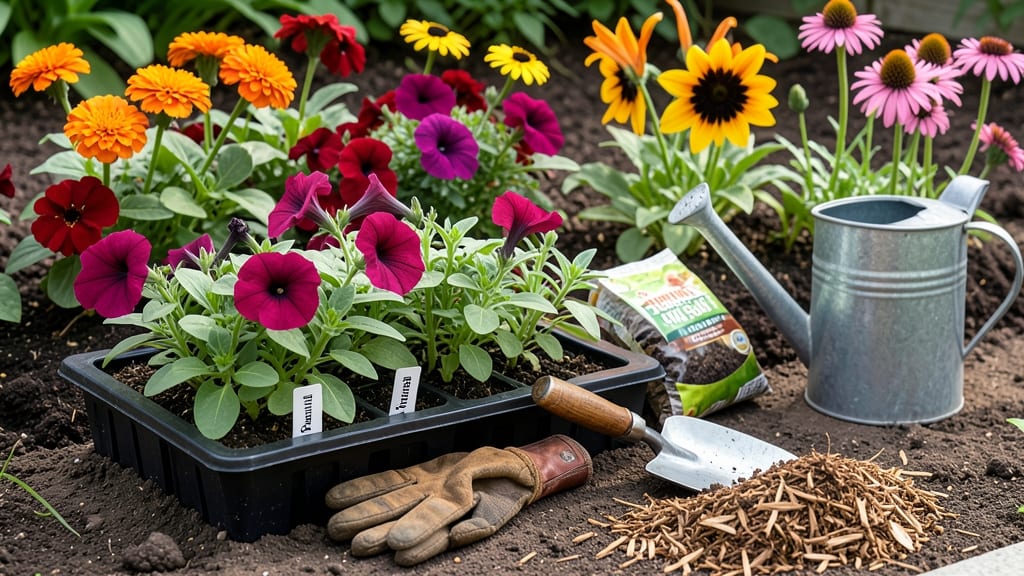
Timing your flower planting in Philadelphia isn’t just about following a calendar—it’s about beating the last frost and giving your 🌸 blooms the best shot at thriving. With Zone 7a’s unpredictable spring weather, planting too early can mean lost blooms, while waiting too long might shorten your season.
The key is knowing when soil warms and frost risk drops, so you can enjoy vibrant gardens from spring through fall.
Most Philadelphia gardeners swear by early spring (March–April) or early fall (September–October) as the sweet spots for planting. But here’s the secret: bulbs need to go in 6–8 weeks before the last frost, while annuals like petunias and zinnias wait until soil hits 60°F.
I’ll break down the exact deadlines so you never miss a beat.
Why does this matter? Because the difference between a thriving garden and a sad, frost-nipped disappointment often comes down to those few weeks. Whether you’re a first-time gardener or a seasoned pro, these tips will help you time your plantings perfectly for Philadelphia’s climate.
Ready to transform your yard? Let’s dive into the best flowers to plant by month, frost-free strategies, and how to stretch your blooming season—no guesswork required.
Philadelphia Zone 7b frost dates: exact timing for safe flower planting
Philadelphia’s Zone 7b climate means your last frost date typically falls between April 15–May 15, while the first frost arrives around October 15–November 15. These dates create a 180-day growing season—the perfect window to plant flowers that thrive in your region.
But don’t rely on averages! Microclimates in Philly (like urban heat islands or higher elevations) can shift these dates by 1–2 weeks.
To pinpoint your exact planting window, check the National Weather Service’s Philadelphia frost data or use a frost calculator like the Old Farmer’s Almanac. For example, Rittenhouse Square often warms up faster than Wissahickon Valley, so adjust your schedule accordingly.
Always wait until soil temperatures reach 60°F for warm-season annuals like petunias or zinnias to avoid stunted growth.
Here’s the critical rule for Philly gardeners: Plant cool-season flowers (pansies, snapdragons) 4–6 weeks before your last frost, while warm-season blooms (marigolds, sunflowers) should wait until two weeks after.
This timing ensures your flowers establish roots before extreme heat or cold sets in. For perennials like coneflowers or black-eyed Susans, early spring or late summer planting works best.
🌱
📅 Critical Planting Deadlines for Philadelphia Flowers
| Plant Type | Planting Window | Key Notes |
|---|---|---|
| Cool-Season Annuals | March 15–April 15 | Pansies, Snapdragons, Calendula |
| Warm-Season Annuals | May 1–June 1 | Petunias, Zinnias, Marigolds |
| Perennials (Spring) | March 1–April 15 | Coneflowers, Black-Eyed Susans |
| Perennials (Fall) | August 15–September 15 | Daylilies, Lavender |
| Bulbs (Spring) | September–October (for spring blooms) | Tulips, Daffodils, Hyacinths |
💡 Pro Tip: Use row covers to plant 2 weeks earlier for cool-season flowers if frost threatens.
For container gardening in Philly’s urban areas, you can push your planting window 1–2 weeks earlier because pots warm up faster than in-ground soil. However, tender annuals like geraniums or impatiens still need to wait until Memorial Day weekend to avoid frost damage.
Always monitor your local weather forecasts—a late frost in April can wipe out unprotected plants overnight.
If you’re planting bulbs for spring blooms, aim for September–October to give them time to establish roots before winter. For fall-planted bulbs like crocuses or snowdrops, wait until October 1–November 1 to avoid rotting in soggy soil. Mulch heavily after planting to insulate bulbs from temperature swings.
Don’t forget about succession planting! In Philly’s short season, stagger your plantings every 2–3 weeks to enjoy continuous blooms. For example, sow bachelor’s buttons in early May, then again in early June for a 6-week extension of color.
This strategy works especially well for fast-growing annuals like zinnias or cosmos.
🌿
To test if your soil is ready for planting, perform the finger test: Push your finger 1–2 inches into the soil. If it crumbles easily, it’s ready for warm-season plants. If it feels cold or clumps together, wait another week.
For cool-season flowers, soil should be 40–50°F—use a soil thermometer if you’re unsure. In Philly’s clay-heavy soil, amending with compost or peat moss improves drainage and warms up faster.
Finally, keep a planting journal to track your success. Note which flowers thrive in your microclimate and adjust future plantings accordingly. For instance, Russian sage often blooms later in Philly than expected, so starting seeds indoors in March gives it a head start.
With these precise timing tips, your Philadelphia flower garden will burst with color—from early spring pansies to late-fall mums!
Best flowers to plant by month in Philadelphia’s climate
Philadelphia’s Zone 7b climate offers two prime planting windows: early spring (March–April) and early fall (September–October). Each season brings its own star flowers that thrive with the right timing. Let’s break down the best blooms for each month to keep your garden vibrant year-round.
For cool-season flowers, start in February–March with hardy varieties like pansies and snapdragons. These beauties tolerate light frosts and bloom early, adding color to chilly days. Calendula and stock flowers also excel in spring, while dahlias and canterbury bells wait until soil warms in April–May.
Warm-season flowers like petunias, zinnias, and marigolds need to wait until after the last frost (typically May 15 in Philly). Planting them too early risks frost damage or stunted growth. For a fall garden, opt for cosmos, black-eyed susans, and mums in August–September.
🌸 Top 3 Flowers by Season in Philadelphia
- 🌱 Spring (March–May): Pansies – Bloom Time: March–June, Hardiness: Zone 7–10, Care: Full sun to partial shade 🌿
- ☀️ Summer (June–August): Zinnias – Bloom Time: July–Frost, Hardiness: Annual, Care: Full sun, drought-tolerant 💧
- 🍂 Fall (September–November): Chrysanthemums – Bloom Time: September–Frost, Hardiness: Zone 5–9, Care: Full sun, well-draining soil ✂️
To maximize your garden’s potential, pair companion plants strategically. For example, marigolds repel pests and pair well with tomatoes, while basil (yes, it counts as a companion!) enhances petunia blooms. Always amend soil with compost before planting to ensure healthy roots and vibrant blooms.
For urban gardeners, containers are a great option. Choose compact varieties like dwarf petunias or bachelor’s buttons for balconies and patios. Just ensure pots have drainage holes and use lightweight potting mix to prevent root rot.
Remember, succession planting is key for a continuous display. After harvesting early blooms like calendula, replace them with cosmos or sunflowers for a seamless transition. With these tips, your Philadelphia garden will burst with color from spring to frost!