
Plants
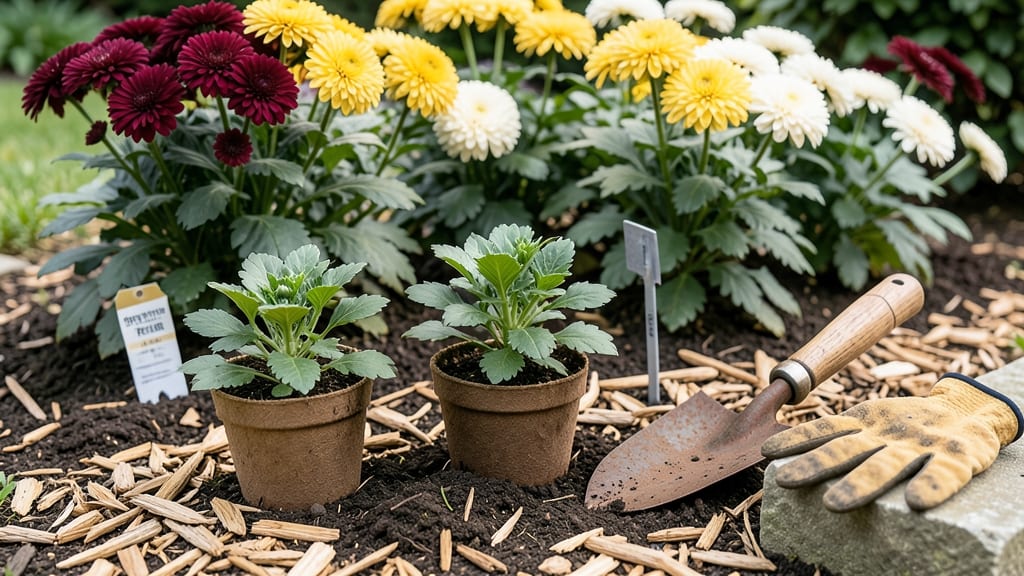
Timing is everything when it comes to planting Fall Mums in the ground 🌼—get it wrong, and you’ll end up with sad, wilted blooms instead of the vibrant autumn centerpieces you’re dreaming of.
The key to success lies in understanding your local climate and planting these hardy beauties at just the right moment.
If you’re in USDA Zone 6 (like many gardeners in the Midwest), your window is narrow but critical: aim to plant 4 to 6 weeks before your first frost, typically between early September and mid-October.
This timing gives roots time to establish before winter sets in, ensuring those showstopping blooms last all season.
But what if you’re in a warmer zone or cooler region? The rules shift slightly—planting too early can lead to leggy, weak stems, while waiting too long risks frost damage.
I’ll break down the exact deadlines for your zone, plus soil prep secrets and care tips to keep your Fall Mums thriving until the first snowflakes fall.
Ready to transform your garden into a fall masterpiece? Let’s dive into the science (and shortcuts) that’ll guarantee your Fall Mums bloom bigger, brighter, and longer than ever before.
Fall mum planting deadlines by US hardiness Zones: exact timing for success
Timing is everything when planting fall mums—get it wrong, and you’ll miss out on those show-stopping blooms. The key is planting 4-6 weeks before your first frost, giving roots time to establish before winter.
But since frost dates vary wildly across the U.S., I’ll break down zone-specific deadlines so you can plant with confidence.
In USDA Zones 3-5, where winters arrive early, aim to plant by mid-August. These northern regions often see frost as early as October 1st, so rushing your mums could leave them struggling.
Meanwhile, gardeners in Zones 6-8 have more flexibility, with ideal planting windows stretching into early October—just don’t wait past mid-October or risk frost damage.
For Zones 9-10, where frost is a late visitor (or nonexistent), you can plant as late as November 1st. But here’s the catch: heatwaves in late summer can stress mums, so I recommend planting by early September to avoid wilting before blooms appear.
Always check your local frost dates—they’re your best guide!
🌼
| USDA Zone | First Frost Date | Ideal Planting Window | Last-Minute Deadline | Risk if Planted Late |
|---|---|---|---|---|
| Zones 3-5 | Early October | Mid-August to early September | September 15th | Frost damage before blooming |
| Zones 6-8 | Mid-October | Late August to early October | October 15th | Stunted growth, weak blooms |
| Zones 9-10 | Late November or none | Early September to early October | November 1st | Heat stress, poor rooting |
Note: Adjust for early/late frosts in your microclimate.
Pro tip: If you’re in a microclimate (like a valley or urban heat island), frost can arrive 1-2 weeks earlier than official dates. To account for this, I recommend planting 2 weeks early if your area tends to cool faster.
For example, if your first frost is usually October 20th, plant by September 15th instead of waiting.
Another critical factor is soil temperature. Mums thrive when soil is between 60°F and 70°F. If your soil is still warm (above 75°F) when you plant, roots may struggle to establish.
Test your soil with a soil thermometer—if it’s too hot, wait a week or two before planting.
Don’t overlook container-grown mums either! These can handle slightly later planting than bare-root varieties. If you’re buying potted mums, you can often plant them up to 2 weeks after the deadlines above, as their roots are already established. Just be sure to water them deeply after transplanting to reduce shock.
Finally, if you’re in a coastal area, where ocean breezes delay frost, you might push your planting window 1-3 weeks later than inland zones. But always monitor nighttime temperatures50°F, your mums could suffer.
✂️
Fall mum planting deadlines by US hardiness Zones: exact timing for success
Planting Fall Mums at the wrong time can mean the difference between a showstopping autumn display and a disappointing flop. The golden rule? Plant 4 to 6 weeks before your first frost—this gives roots time to establish before winter sets in.
But your exact deadline depends on your USDA hardiness zone, local climate quirks, and even heatwave timing.
For example, gardeners in Zone 5 (think Midwest) should plant by mid-September, while those in Zone 9 (Southern California) can wait until late October. The goal is always the same: root establishment before frost.
Let’s break down the exact windows for your zone, plus how to adjust for early or late frosts.
Here’s a quick guide to help you pinpoint your ideal planting window based on your zone:
| USDA Zone | Ideal Planting Window | Key Adjustments | Frost Risk |
|---|---|---|---|
| Zones 3-4 | Late August to early September | Plant early—frost comes sooner | High (first frost: Oct 1-15) |
| Zones 5-6 | Early to mid-September | Standard window—most reliable | Moderate (first frost: Oct 15-31) |
| Zones 7-8 | Mid-September to early October | Wait for heatwaves to pass | Low (first frost: Nov 1-15) |
| Zones 9-10 | Late September to late October | Plant later—frost is rare | Very Low (first frost: Dec 1+) |
Pro tip: Check your local frost-free date using the USDA Plant Hardiness Zone Map or a weather forecast app. For example, if your first frost is October 20th, plant by September 10th to give roots 6 weeks to settle in.
In warmer zones, you can push it closer to October 15th if temperatures stay mild.
One common mistake? Planting too early in hot climates. If you’re in Zone 9 or 10 and plant in August, your mums may bolt (send up flower stalks) too quickly, leading to smaller, weaker blooms. Wait until September to avoid this.
For northern gardeners in Zones 3-4, the opposite is true: planting too late risks frost damage before roots establish. If you’re near the upper limit of your zone, consider starting with potted mums and transplanting them later in the season for extra insurance.
Finally, don’t forget to acclimate your mums if you’re buying them from a nursery. Harden them off by placing them outside in partial shade for 3-5 days before planting—this helps them adjust to sun and temperature shifts without shock.
With the right timing, your Fall Mums will reward you with weeks of vibrant color—right up until the first snow! 🌼