
Flowers
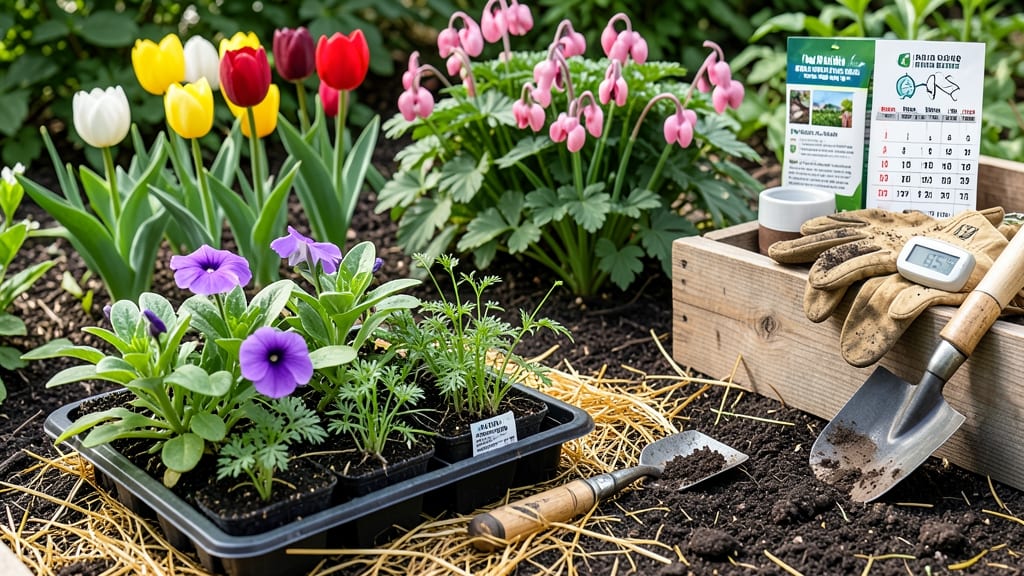
Timing your flowers planting in Ohio isn’t just about avoiding frost—it’s about unlocking the full potential of your garden in Zones 5-6. With Ohio’s unpredictable spring weather, planting too early can mean frost-kissed petals, while waiting too long might stunt growth.
The key lies in understanding the perfect window—typically after the last frost, which usually lands between mid-April and early May.
But here’s the catch: not all flowers thrive on the same schedule. Cool-season blooms like tulips 🌸 and pansies can handle early planting, while warm-season favorites like marigolds and zinnias need to wait until the soil warms to at least 60°F.
Ohio State University Extension’s frost calendar is your best friend here, but even that can vary by microclimate—whether you’re in urban Columbus or rural Appalachia.
In this guide, I’ll break down the exact deadlines for annuals, perennials, and bulbs, so you never miss a bloom. You’ll also discover how to adjust for late frosts, protect tender plants, and even extend your planting season with simple hacks.
Let’s make sure your Ohio garden bursts with color—on time, every time.
Ready to transform your garden from good to exceptional? The secret starts with planting at the right moment. Let’s dive into the details and turn your flower dreams into reality.
Ohio flower planting deadlines by type: annuals vs. perennials vs. bulbs
Ohio’s last frost date typically falls between April 15 (northern Zone 5) and May 1 (southern Zone 6), but this can shift by 2-3 weeks depending on microclimates.
For annual flowers, timing directly impacts their ability to establish roots before summer heat sets in. Cool-season annuals like pansies and snapdragons can handle light frosts, while warm-season favorites (marigolds, zinnias) need soil temperatures above 60°F to thrive.
Perennials are more forgiving but still benefit from early spring planting (March-April) to establish strong root systems before summer. Bulbs, however, have their own deadlines—spring-blooming tulips and daffodils should be planted in fall (October-November), while summer-blooming dahlias go in after last frost.
Misjudging these timelines can mean missed blooms or stunted growth.
Here’s a quick reference for Ohio’s flower planting deadlines by type, tailored to Zones 5-6:
For annual flowers, the last frost date is your golden rule. Plant cool-season annuals 4–6 weeks before the last frost to give them time to establish, while warm-season varieties should wait until the soil is consistently above 60°F.
In Ohio, this often means late April to early May for most regions, but urban areas (like Columbus) may experience frost 2 weeks later than rural zones.
Perennials are the most flexible but still benefit from early spring planting. I’ve found that dividing perennials in early spring (March) gives them a head start, while new plantings can go in until May 1.
The key is to avoid planting when the soil is still cold or soggy—wait for it to warm to at least 50°F.
Bulbs are a special case. Spring-blooming bulbs like tulips and daffodils need cold stratification, which is why they’re planted in fall. Summer-blooming bulbs, however, like dahlias, need to wait until the soil is warm (usually May 15 in Ohio). Skipping this step can lead to rotten bulbs or no blooms.
Pro tip: Use Ohio State University Extension’s frost calendar (available online) for real-time updates. It accounts for localized frost risks and can save you from frost damage or wasted seed packets. For example, Toledo (Zone 5b) often has later frosts than Cincinnati (Zone 6a), so adjust accordingly.
If you’re unsure about your exact last frost date, err on the side of caution. Container gardening is a great way to extend your season—just move tender plants indoors or under frost cloth if a late frost threatens.
This flexibility is especially helpful for warm-season annuals like tomatoes or peppers (which are technically flowers!).
🌱
How to adjust planting times for Ohio’s microclimates and frost risks
Ohio’s microclimates can shift planting windows by weeks—especially when comparing urban Columbus to rural Appalachia. In cities, heat islands create warmer soil earlier, while valleys hold frost longer.
Always check your local last frost date (typically April 15 for Zone 5, May 1 for Zone 6), but adjust if you’re in a frost-prone pocket.
For late starters, container gardening is a lifesaver. Pots warm up faster than ground soil, letting you plant warm-season flowers like zinnias 2-3 weeks after the official deadline. Just ensure pots have drainage holes to prevent root rot from Ohio’s occasional heavy spring rains.
🌱
- 🌡️ Use a soil thermometer: Wait until soil hits 60°F for warm-season flowers (like marigolds).
- 📱 Set NOAA frost alerts: Ohio’s National Weather Service provides hyperlocal frost predictions.
- 🪴 Start seeds indoors: Begin tender annuals (e.g., petunias) 6-8 weeks before last frost.
- 🧤 Use frost cloth: Protect late bloomers (e.g., cosmos) with lightweight covers after dark.
- 🌿 Mulch heavily: Insulate soil with 3–4 inches of straw to delay frost damage in fall.
Urban gardeners often face earlier soil warming due to pavement and buildings. Test your spot with a soil thermometer—if it’s 55°F+ by early April, you can plant cool-season flowers like pansies or snapdragons. Rural areas? Wait until May 10 to be safe, as valleys can stay frosty until then.
Ohio’s unpredictable late frosts (even in May!) demand preparation. Harden off seedlings gradually by exposing them to outdoor conditions for 1–2 hours daily for 10 days before transplanting. For bulbs like tulips, plant in fall (October–November) to ensure roots establish before winter.
If a late frost threatens, cover plants with frost cloth or old bedsheets secured with bricks. Remove covers by 10 AM to avoid overheating. For container flowers, move pots closer to your home’s south side overnight—they’ll benefit from radiant heat.
Pro tip: Ohio’s Zone 6 southern regions (e.g., Cincinnati) can support fall planting of cool-season annuals like calendulas in early September. Use a planting calendar from Ohio State University Extension to sync with your microclimate’s unique rhythm.