
Flowers
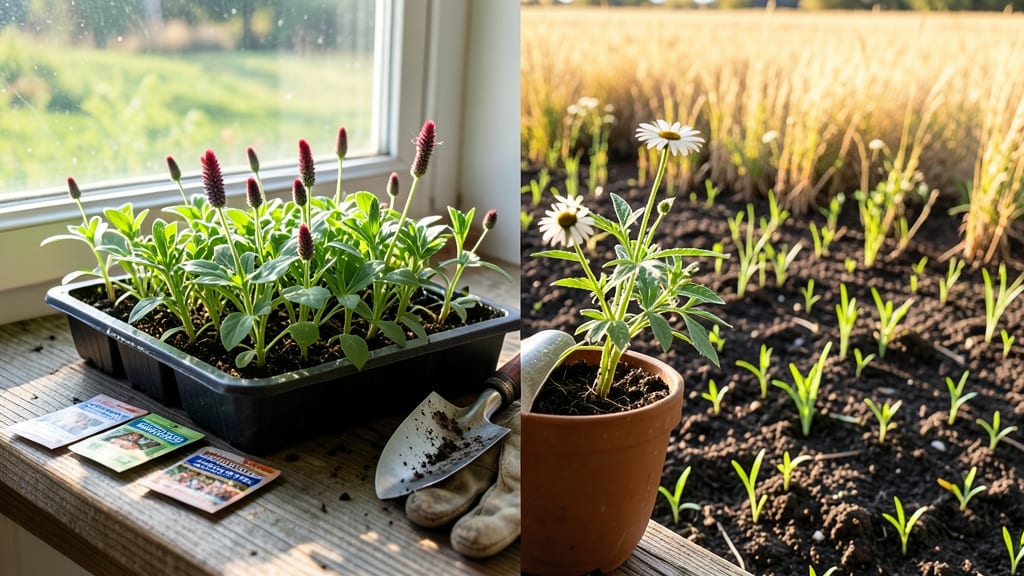
Knowing when to plant flower seeds in Texas can mean the difference between a vibrant garden and a sad, bolted disappointment. Texas gardeners face unique challenges—from scorching summers to unpredictable frost—so timing your 🌸 seeds just right is the key to success.
The secret lies in understanding your specific zone, whether you're in North Texas (8a) or the balmy South (10a-11). Cool-season flowers like pansies thrive when planted in fall, while heat-lovers such as zinnias need to wait until soil warms in spring.
Get this wrong, and you might end up with leggy, sad plants instead of the blooms you crave.
In this guide, I’ll break down the exact months to plant by region, share pro tips to avoid bolting, and recommend the best flowers for your Texas climate. Whether you're a beginner or a seasoned gardener, these strategies will help you grow a garden that stays beautiful all year.
Ready to transform your outdoor space? Let’s dive into the perfect planting schedule for your Texas zone and keep those blooms coming strong—no matter the season.
Texas planting zones explained: when to start flower seeds by region
Texas spans USDA Zones 7A to 11, meaning frost dates and planting windows vary dramatically from the Panhandle to the Rio Grande Valley. In North Texas (Zone 7A-8A), last frosts hit around March 15, while South Texas (Zone 10A-11) rarely sees frost at all.
This variation means your cool-season flowers like pansies or snapdragons need early starts in the north, but can be sown year-round in the south.
Understanding your zone helps avoid bolting—when flowers rush to seed due to heat stress. For example, marigolds can bolt in Zone 9A+ if planted too early, while zinnias thrive in the same zones when sown after April 1.
Let’s break down the exact windows for your region to maximize blooms.
🌱
In North Texas, start cool-season flowers indoors by January 15 to transplant outdoors after the last frost. Use row covers if sowing directly in February to protect from late frosts. For warm-season flowers, wait until soil temperatures hit 60°F—typically mid-April—to avoid stunted growth.
Central Texas gardeners have a 2-week advantage over the north, with February 1 being ideal for indoor starts.
Here, March 1 is your cue to sow warm-season seeds directly, as the risk of frost drops to nearly zero. Heat-sensitive varieties like cosmos still need afternoon shade until May to prevent bolting.
South Texas’s frost-free climate lets you plant almost year-round, but timing still matters. February 1 is perfect for direct-sowing warm-season flowers, while shade cloth extends the season for cool-season blooms like sweet peas into summer. Avoid planting bolting-prone varieties like lettuce after March unless you use shade.
Pro tip: Use a soil thermometer to confirm 60°F+ soil before sowing warm-season seeds. Cold soil delays germination, and rushing can trigger damping off in seedlings. Pair this with mulch to stabilize soil temps and retain moisture during Texas’s unpredictable spring rains.
For container gardening, adjust timing by 2-3 weeks earlier—pots heat up faster and dry out quicker. Place containers in partial shade during 100°F+ days to protect heat-sensitive flowers like impatiens from wilting.
🌿
Best flower seeds to plant by month in Texas: a month-by-month guide
Texas gardeners can plant flower seeds year-round, but the key is matching each variety to its ideal month. Cool-season flowers like pansies and snapdragons thrive in winter and early spring, while warm-season favorites such as zinnias and marigolds need warmer soil to germinate.
Let’s break it down month by month to maximize your blooms.
For January and February, focus on cool-hardy annuals that can handle Texas’ mild winters. These months are perfect for sowing pansies, snapdragons, and calendulas directly in the garden. If you’re in North Texas (Zone 8a), wait until late January to avoid early frost damage.
🌱
🌸 Texas Flower Planting Calendar
| Month | Best Flowers to Plant | Notes |
|---|---|---|
| January | Pansies, Snapdragons, Calendulas, Sweet Alyssum | Cool-season blooms; North Texas wait until late Jan. |
| February | Violas, Stock, Sweet Peas, Lettuce (edging) | Add shade cloth if temps spike above 70°F. |
| March | Zinnias, Marigolds, Sunflowers, Petunias | Wait until soil reaches 60°F; start indoors in Feb. |
| April | Cosmos, Lantana, Geraniums, Basil (edging) | Succession plant every 2 weeks for continuous blooms. |
| May-July | Portulaca, Vinca, Blanket Flower, Native Wildflowers | Drought-tolerant picks; mulch to retain moisture. |
| August-September | Cosmos, Zinnias, Marigolds, Aster | Plant for fall color; use shade cloth in South Texas. |
| October-November | Pansies, Sweet Alyssum, Stock, Calendulas | Extend season with row covers in North Texas. |
March and April are prime months for warm-season flowers. Once the soil warms to 60°F, sow zinnias, marigolds, and sunflowers directly in the garden. For a head start, begin petunias and geraniums indoors in late February. If you’re in South Texas (Zone 10a-11), you can plant these as early as February.
From May through July, focus on heat-loving, drought-resistant flowers like portulaca, vinca, and blanket flower. These thrive in Texas’ intense summer heat and require minimal water once established. Native wildflowers like bluebonnets and Indian paintbrush are excellent choices for pollinators and low-maintenance gardens.
Don’t overlook August and September—these months are perfect for fall-blooming flowers. Plant cosmos, zinnias, and asters for vibrant color leading into winter.
In North Texas, use row covers to protect seedlings from early frosts. For South Texas, consider shade cloth to prevent bolting in sensitive varieties.
Finally, October and November bring back cool-season favorites. Replant pansies, sweet alyssum, and calendulas for a late-season burst of color. In North Texas, use row covers to extend the season until December. With this month-by-month guide, your Texas garden can bloom beautifully year-round!
🌻