
Flowers
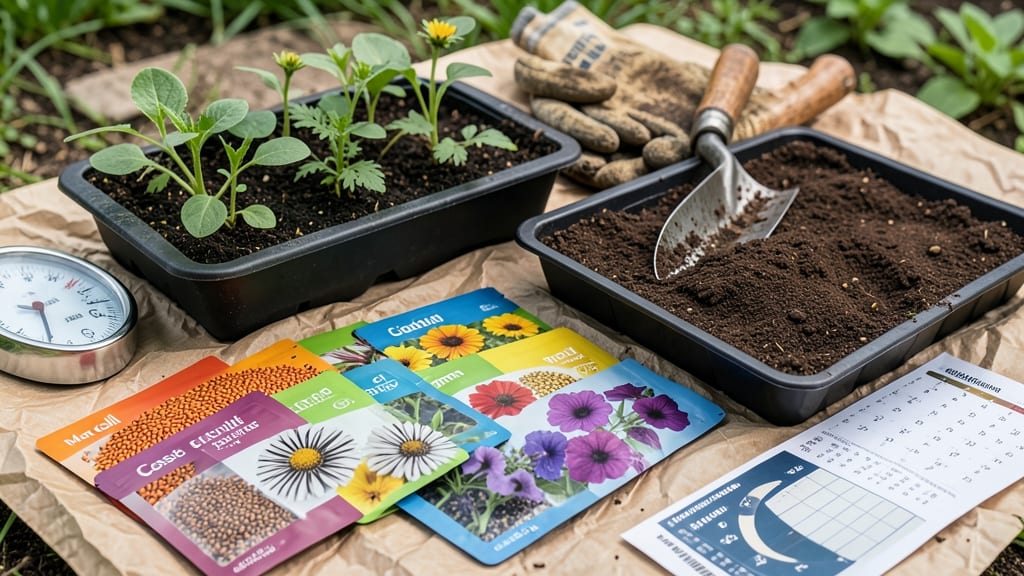
Timing your flower seeds planting in Michigan isn't just about luck—it's about beating frost dates with precision. With USDA Zones 5b-6b, you've got a short window to transform your backyard into a vibrant canvas of blooms, but one wrong move can leave you staring at a frozen garden.
I've spent years perfecting the art of Michigan flower gardening, and the key is knowing exactly when to plant. Whether you're dreaming of cosmos or marigolds, getting the timing right means the difference between a garden that thrives and one that barely survives.
Let me show you the exact windows that work best for your zone.
Spring planting kicks off after your last frost—typically between late April and mid-May—while fall offers a second chance from early September to mid-October.
But here's the catch: Michigan's weather is unpredictable, so we'll cover how to prepare your soil, choose the right seeds, and protect your plants from late frosts.
Ready to turn your garden into a year-round showstopper? I'll walk you through everything from seed selection to post-planting care, so you can enjoy blooms from June through September—and maybe even sneak in a few hardy perennials that return year after year.
Michigan’s flower seed planting calendar by hardiness Zone (5 & 6)
Michigan spans USDA Zones 5b and 6b, meaning frost dates vary dramatically—from Mid-April to Early May for last spring frost and Mid-October to Late October for first fall frost. To avoid frozen seedlings, align your planting with these zone-specific windows.
Northern Michigan (Zone 5b) has a shorter season, while southern regions (Zone 6b) enjoy 10-14 extra frost-free days.
Most annual flowers thrive when sown 6-8 weeks before last frost, while perennials often tolerate cooler soil. Fall planting for biennials (like foxglove) should begin 6-8 weeks before first frost to establish roots before winter. Use these zone-specific deadlines to maximize blooms without risking frost damage.
🌱
📅 Michigan Flower Seed Planting Timeline by Zone
| Zone | Last Spring Frost | First Fall Frost | Spring Planting Window | Fall Planting Window |
|---|---|---|---|---|
| 5b (Northern MI) | Mid-April to Early May | Mid-October | Late April - Early May | Early September - Mid-September |
| 6b (Southern MI) | Early May | Late October | Mid-May | Mid-September - Early October |
For Zone 5b gardeners, start cool-season flowers like pansies or sweet peas indoors in March to transplant after last frost. In Zone 6b, you can push the envelope with late-summer sowings (like zinnias) as late as June for fall blooms.
Always check soil temperatures—50°F+ is ideal for most seeds.
Direct-sowing heat-loving annuals (e.g., marigolds, cosmos) after Memorial Day (late May) gives them time to mature before frost. Biennials like hollyhocks need fall planting to overwinter and bloom the following year. Test soil warmth with a soil thermometer—60°F+ speeds germination for most flowers.
🌿
Michigan’s short growing season demands efficiency. Group seeds by days to maturity: plant fast growers (30-45 days) first (e.g., nasturtiums), then medium (45-60 days) (e.g., sunflowers), and save long-season (60+ days) (e.g., delphiniums) for early spring starts.
Succession plant every 2-3 weeks to extend blooms from June through October.
Use row covers or cold frames to extend spring planting by 2-3 weeks in both zones. For fall, aim to sow 6-8 weeks before first frost—this gives seedlings time to root before winter. Hardy perennials (like coneflowers) can handle cooler soils, but tender annuals need warmth.
🌡️
Track your local frost dates annually—they shift with climate patterns. For example, 2023’s late spring frost in Traverse City (Zone 5b) delayed planting by 3 weeks.
Adjust your schedule by 1-2 weeks earlier if you notice trends. Always have row covers ready to protect young seedlings from unexpected late frosts.
Remember: Michigan’s flower gardens reward precision. By following these zone-specific deadlines and soil temperature cues, you’ll avoid the heartbreak of frost-killed seedlings and enjoy continuous blooms from June to October.
Best flowers to plant as seeds in Michigan (by season)
Michigan’s short growing season means choosing the right flower seeds for your planting window is key. Some varieties thrive when direct-sown in spring, while others need fall planting for early blooms. Let’s break down the best options for each season.
For spring planting, focus on cold-hardy annuals like cosmos and marigolds. These seeds germinate quickly in 50°F+ soil and tolerate light frosts. Snapdragons and calendulas also work well, especially in USDA Zone 6 areas where frost lingers longer.
🌱 Seasonal Flower Seed Guide
- Spring (April–May): Cosmos, Marigolds, Snapdragons, Calendulas, Zinnias
- Fall (September–October): Pansies, Sweet Alyssum, Larkspur, Stock, Bachelor’s Buttons
- Indoor Starts (March): Petunias, Geraniums, Begonias (transplant after frost)
Fall-planted flowers like pansies and sweet alyssum bloom early, adding color to late winter and spring. These biennials and cool-season annuals handle Michigan’s early frosts better than heat-loving varieties. For perennials, sow black-eyed Susans or coneflowers in late summer for established roots before winter.
If you’re starting seeds indoors, begin 6–8 weeks before last frost (typically mid-March) for petunias or geraniums. These need a head start to mature before Michigan’s short summer. Use grow lights if natural light is limited—14–16 hours daily mimics spring conditions.
For direct sowing in summer, try cosmos or zinnias in June for fall blooms. These fast-growing annuals tolerate heat and still produce flowers before frost. Avoid delicate seedlings like impatiens in summer—they struggle with Michigan’s humidity and pests.
Pro tip: Succession plant every 2–3 weeks in spring/fall to extend blooms. For example, sow marigolds in April, May, and June for continuous color. This fills gaps left by early-blooming flowers fading.
Always check seed packets for days to maturity—choose varieties that bloom within 60–90 days for Michigan’s 150–180 frost-free days. Slow growers like hollyhocks may not finish before frost.