
Flowers
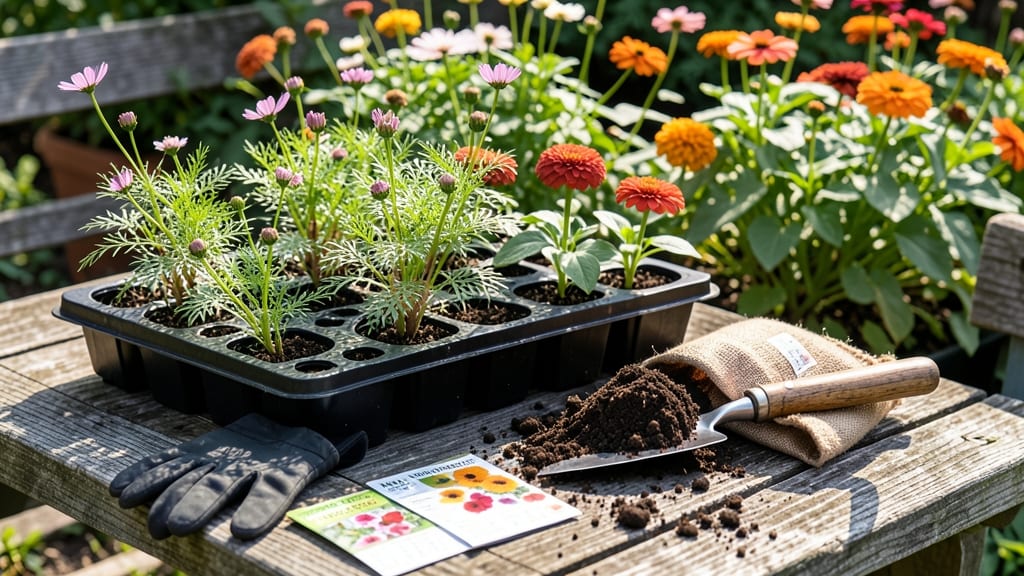
Timing your flower seeds 🌸 planting in Massachusetts can mean the difference between a vibrant garden and a sad, frost-nipped disappointment. The 5b-6b zone may sound technical, but it boils down to knowing when the last frost typically hits—usually between mid-April and early May.
If you plant too early, your delicate petunias or snapdragons might bolt before they even bloom. Too late, and frost steals your summer flowers. The key is understanding your specific microclimate, whether you're in coastal areas with later frosts or inland valleys where cold snaps happen sooner.
I’ll walk you through the exact planting windows for both spring and fall, plus how to adjust for Massachusetts’ unique climate quirks. You’ll learn which flowers thrive with early starts and which ones need to wait until the soil warms up.
By the end, you’ll have a clear schedule to avoid common mistakes and maximize your blooms—no guesswork required. Let’s get those flower seeds in the ground at the perfect time!
Massachusetts flower seed planting deadlines by hardiness zone (5-7)
Massachusetts spans USDA zones 5b-7a, meaning your last frost date shifts dramatically from western hills to coastal areas. In zone 5 (western MA), frost lingers until May 15, while zone 7 (southeast MA) often sees frost-free soil by April 15.
These differences dictate whether you’ll start annuals indoors in February or wait until March for direct sowing.
For cool-season flowers like pansies and sweet peas, you can begin sowing indoors in late February (8-10 weeks before last frost) or direct-sow in early March when soil temps hit 40°F. Warm-season beauties like zinnias and marigolds, however, need to wait until after May 10 in most zones—planting too early risks frost damage or bolt risk.
Here’s your zone-specific planting timeline to avoid common mistakes like overcrowding seeds or ignoring soil warmth. Use this as your guide to maximize blooms without wasting seeds.
| Zone & Location | Last Frost Date | Indoor Start (Annuals) | Direct Sow Window | Soil Temp Threshold |
|---|---|---|---|---|
| Zone 5 (Western MA: Berkshires, Pioneer Valley) | Mid-April to May 15 | Late February - Early March | Early April - Late May | 40°F (cool-season) / 60°F (warm-season) |
| Zone 6 (Central MA: Worcester, Boston) | Early April - May 10 | Mid-February - Late March | Late March - Early June | 40°F (cool-season) / 60°F (warm-season) |
| Zone 7 (Southeast MA: Cape Cod, Providence) | Mid-March - April 15 | Early February - Mid-March | Early March - Mid-May | 45°F (cool-season) / 65°F (warm-season) |
For perennials and biennials, like hollyhocks or foxgloves, you can direct-sow in fall (September) for early spring blooms. These hardy plants tolerate cooler soil temps and often establish better roots when sown 6-8 weeks before frost.
Just avoid planting warm-season annuals like cosmos or sunflowers before May 15—they’ll stunt in cold soil.
If you’re growing heat-sensitive flowers (e.g., geraniums, impatiens), prioritize late May planting to align with summer’s peak heat. In contrast, cold-hardy varieties like pansies or snapdragons can handle March sowing as long as you use row covers for late frosts.
I recommend marking your calendar with these zone-specific deadlines and setting reminders for soil prep (add compost in fall) and seedling hardening (acclimate for 1-2 weeks before transplanting). This two-step process cuts transplant shock by 50% and ensures stronger blooms.
For coastal gardeners, delay warm-season planting by 1-2 weeks—cooler ocean breezes keep soil 5-10°F cooler than inland areas. Use black plastic mulch to warm soil faster if you’re eager to plant early.
Remember: Slow and steady wins with flowers. Rushing seedlings or ignoring frost dates leads to wasted seeds and disappointing blooms. Stick to these zone-specific windows, and you’ll enjoy continuous color from spring pansies to fall mums.
How to adjust planting for Massachusetts’ microclimates (coast vs. inland)
Massachusetts’ coastal regions and inland valleys create wildly different planting conditions. Coastal areas like Cape Cod and Provincetown often enjoy later last frosts (sometimes as late as May 15), while inland spots like the Pioneer Valley can see frost as early as April 15.
These microclimates mean your planting schedule should shift based on location.
For coastal gardens, focus on heat-tolerant annuals like marigolds and zinnias, which thrive in warmer coastal summers. Inland areas benefit from bolt-resistant perennials such as larkspur or hollyhocks, which handle cooler nights better. Even a 5-mile difference can mean 1-2 weeks of planting flexibility.
🌿
| Microclimate | Last Frost Date | Best Flowers for Zone | Key Adjustment |
|---|---|---|---|
| Coastal (Zone 7) | Mid-May | Marigolds, Zinnias, Petunias | Wait until May 10 for warm-season flowers |
| Central (Zone 6) | Early May | Cosmos, Snapdragons, Sweet Peas | Start cool-season seeds by March 15 |
| Inland (Zone 5) | Late April | Larkspur, Hollyhocks, Pansies | Use row covers for early sowing |
If you’re in a coastal microclimate, extend your planting window by 2-3 weeks for heat-loving flowers. For inland areas, prioritize cold-hardy varieties and consider season extenders like cloches or cold frames. Even elevated garden beds warm up faster in spring, giving you an extra week of planting time.
For fall planting, coastal areas can sow seeds until mid-October, while inland gardens should wrap up by September 15. Always check your local USDA zone map—Massachusetts spans zones 5b-7a, so a 10-minute drive can change your planting timeline significantly.
Pro tip: Use a soil thermometer to confirm 60°F+ soil temps before planting warm-season flowers like geraniums or begonias. Coastal soils warm slower due to ocean breezes, so don’t rush—wait for the right conditions to avoid bolted seedlings.
✂️