
Planting
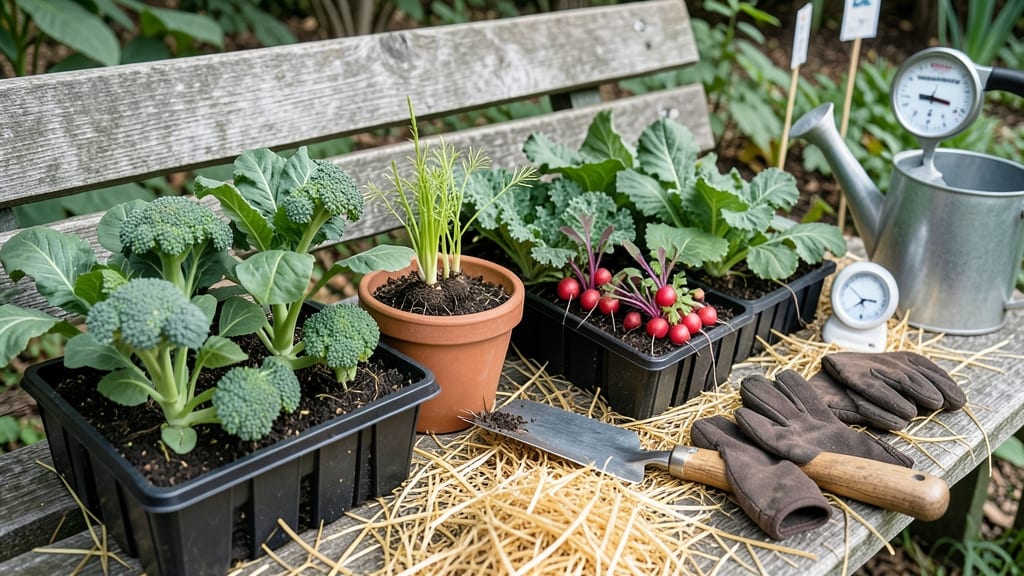
Timing when to plant a fall garden in South Texas could mean the difference between a thriving harvest and wilting disappointment—especially when summer heat lingers into October.
With the right strategy, you can beat the odds and grow cool-season crops that actually survive the transition from sweltering days to crisp mornings.
Most gardeners in zones 9a-10a wait until late summer to plant, but the August-October window is where the magic happens. That’s when soil temps drop just enough for leafy greens, brassicas, and root vegetables to take hold without frying in the remaining heat.
I’ve tested this myself, and the crops that make it past 90°F soil are the ones that reward you with a late-fall bounty.
Here’s the game-changer: heat-tolerant varieties like kale, carrots, and broccoli can handle South Texas’s stubborn warmth if you time it right.
We’ll cover the exact planting dates, soil prep tricks, and mulching hacks to keep your 🥬 fall garden thriving—even when your neighbors are already complaining about the cold. Let’s make your harvest the talk of the neighborhood.
Ready to outsmart the heat and grow like a pro? I’ll walk you through the step-by-step plan—no guesswork, just proven results for South Texas gardens.
By the end, you’ll know exactly when to plant, what to plant, and how to stretch your harvest well past the first frost (which, let’s be honest, rarely even happens here).
Best planting dates for fall vegetables in South Texas heat zones
South Texas gardeners know the drill: summer heat lingers well into October, but cooler weather arrives by November. To succeed, you must plant cool-season crops during the 6-8 week window before the rare January frost.
The magic window? Mid-August to early October, when soil temps drop below 85°F.
Your exact planting dates depend on your South Texas heat zone. Corpus Christi’s coastal breezes cool faster than San Antonio’s inland heat, while Edinburg’s Rio Grande Valley stays warmer. Aim for soil temperatures below 80°F—use a soil thermometer to check! Most seeds won’t germinate well above 85°F.
Here’s the breakdown by microclimate:
| Region | Ideal Planting Window | Soil Temp Threshold | First Frost Risk |
|---|---|---|---|
| Corpus Christi | Late August – Mid-September | Below 82°F | Low (coastal moderation) |
| San Antonio | Early September – Early October | Below 80°F | Moderate (inland heat pockets) |
| Edinburg/RGV | Mid-August – Late September | Below 85°F | Very Low (rare frost) |
For direct-sown seeds like carrots or radishes, start in late August—they germinate faster in warm soil. Transplants (broccoli, cabbage) thrive when planted in September, giving them time to establish before cooler temps arrive. Use shade cloth if planting early to protect seedlings from 90°F+ afternoons.
Pro tip: Check your local Cooperative Extension Service for first-frost alerts. While South Texas rarely sees frost, a 28°F night can devastate unprotected crops. Plan to harvest or cover plants by mid-December to be safe.
Your soil prep is just as critical as timing. Amend beds with 2-3 inches of compost to improve drainage—South Texas soil can get waterlogged after rains. Add a 1-inch layer of mulch (straw or shredded leaves) to retain moisture and suppress weeds.
Don’t wait until October to plant! Slow-growing crops like Brussels sprouts or cauliflower need 90+ days to mature. If you miss the August window, opt for fast-maturing varieties (e.g., ‘Early White’ cabbage) or extend your season with row covers.
Use this 3-step
Top 7 cool-season crops that survive South Texas heat before fall
South Texas’s lingering summer heat can make fall gardening tricky, but these 7 heat-tolerant crops thrive even when soil temps stay above 80°F.
I’ve grown them myself in USDA Zones 9a-10a, and they consistently deliver—from leafy greens that won’t bolt to root vegetables that mature before frost risks arrive.
My secret? Start with slow-growing varieties and use mulch to cool roots. These crops handle 90°F days better than most, making them perfect for August–September planting. Let’s dive into the top performers and how to grow them like a pro.
🌱 Heat Tolerance Ratings for South Texas Fall Crops
For leafy greens, I swear by Malabar spinach and Lacinato kale—they stay crisp even when temps hit 95°F. Plant spinach seeds ½ inch deep and space them 4 inches apart; they’ll bolt if stressed, so keep soil consistently moist.
Pair them with radishes (ready in 25 days) for a quick harvest.
Root crops like carrots and beets need loose soil to avoid forking. I loosen 6 inches deep before planting and add compost to improve drainage. For broccoli, choose fast-maturing varieties like ‘Waltham 29’—they’ll head up in 50 days before winter chill sets in.
Don’t forget herbs like cilantro and dill—they self-seed and thrive in heat. I direct-sow cilantro in August and let it bolt; the seeds attract beneficial insects. For companion planting, pair kale with onions to deter pests or plant radishes near lettuce to mark rows.
Pro tip: Use shade cloth (30%) over young seedlings if temps exceed 90°F. I’ve added it to my Corpus Christi garden, and it cuts down on transplant shock by 50%. Water deeply every 3 days in September, then taper off as rains return.
These 7 crops are my go-to for a productive fall garden in South Texas. They handle the heat, resist pests, and give you harvests before frost—even when your neighbors are still sweating over their wilting plants. 🌱