
Planting
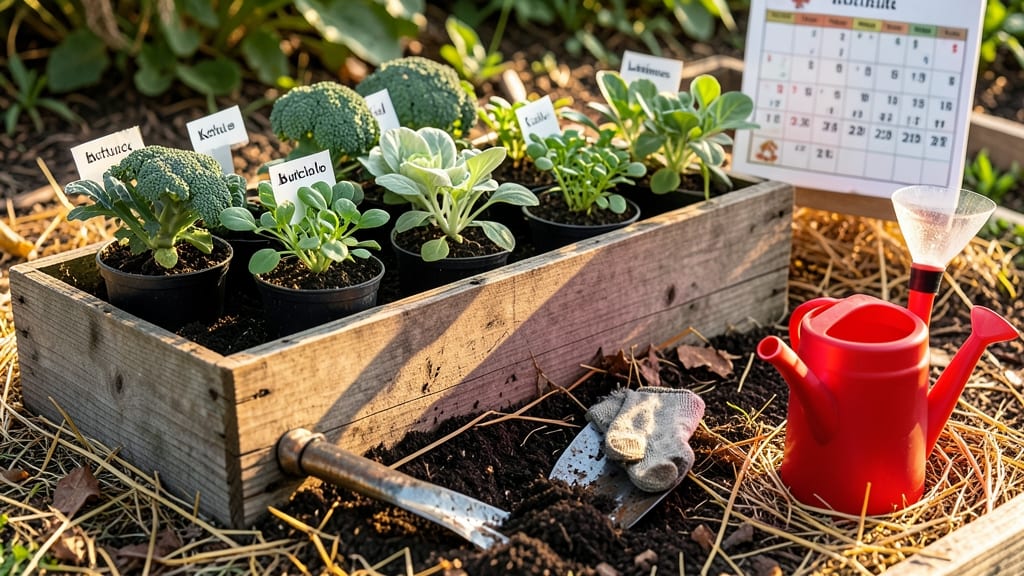
If you’ve ever wondered when do you plant a fall garden in Texas to avoid wilting veggies 🍅🥬🍠 or missed harvests due to heat or frost, you’re not alone.
The difference between a thriving fall garden and a disappointing one often comes down to one critical question: when exactly should you plant in your specific Texas zone?
Texas’s diverse growing zones—from 8a’s cooler North to 10b’s balmy South—mean deadlines vary wildly. Plant too early, and your greens turn bitter from the heat; too late, and frost steals your harvest before you’ve even broken ground.
I’ve tested these timelines myself, and the secrets to success lie in understanding heat tolerance deadlines and local microclimates.
Whether you’re a first-time gardener or a seasoned green thumb, this guide cuts through the guesswork. You’ll learn the exact mid-August to early October window that works for your zone, plus heat-tolerant crops like kale that can handle later starts. Let’s get your Texas fall garden growing the right way.
Ready to skip the trial-and-error? I’ll walk you through zone-specific deadlines, soil prep tricks, and even how to push your harvest into December—no matter where you garden in the Lone Star State.
Texas fall planting deadlines by growing zone (8a-10a)
Texas spans USDA zones 8a through 10a, and each zone has its own heat tolerance deadlines for fall planting. The key is timing your crops to avoid 90°F+ soil temperatures that trigger bolting in sensitive plants like lettuce and spinach.
For example, in zone 8a (North Texas), your window closes earlier than in zone 10a (South Texas).
Most Texas gardeners aim to plant 6-8 weeks before the first frost, but heat-sensitive crops need cooler soil. Start by checking your last frost date (typically December 1 in North Texas and November 15 in South Texas) and work backward.
For heat-tolerant crops like kale, you can push planting until early October in most zones.
Here’s how to align your planting with Texas’s zone-specific heat deadlines:
| Zone | Last Safe Planting for Heat-Sensitive Crops | Heat-Tolerant Crops Deadline | First Frost Date |
|---|---|---|---|
| 8a (North Texas) | Mid-August (soil temps drop below 85°F) | Early October | December 1 |
| 9a (Central Texas) | Late August | Mid-October | November 15 |
| 10a (South Texas) | Early September | Late October | November 1 |
For zone 8a gardeners, focus on direct-sowing heat-sensitive crops like lettuce and broccoli by mid-August. If you miss this window, opt for transplanting seedlings or choose heat-tolerant varieties like Swiss chard or collards, which can handle later starts.
In zone 10a, you’ve got more flexibility—plant radishes and turnips as late as early October.
Pro tip: Use a soil thermometer to monitor temperatures. Aim for below 85°F for most fall crops. If your soil is still too hot, try shade cloth or wait a few weeks.
For fast-growing crops like radishes or bush beans, you can even plant successionally every 2 weeks until mid-September.
Another critical factor is day length. As days shorten in late summer, plants like kale and spinach actually sweeten and improve in flavor. This is why many Texas gardeners prioritize these cool-season staples for fall. Just be sure to mulch heavily to keep roots cool and moisture retained.
If you’re in North Texas (zone 8a), don’t wait until September to plant cabbage or Brussels sprouts. These need 80-90 days to mature, so start seeds indoors by mid-July or buy transplants ready by early August.
For South Texas (zone 10a), you can push your tomato and pepper harvests into fall by planting late-summer varieties like ‘Celebrity’ tomatoes in early September.
Remember: Texas’s heat lingers longer than most gardeners realize. Even in October, afternoon temps can still hit 90°F in North Texas. To beat the heat, plant in the early morning or late afternoon, water deeply before sunset, and use row covers to shield seedlings from scorching winds.
With these strategies, you’ll maximize your fall harvest window before frost arrives.
Finally, keep an eye on local weather forecasts. A sudden cold snap can arrive earlier than expected, especially in North Texas. If frost is predicted, rush to harvest sensitive crops like basil or cucumbers or cover them with frost blankets to buy a few extra days.
Heat-tolerant vs. heat-sensitive fall vegetables: what to plant when
Texas’s summer heat lingers well into fall, so not all vegetables thrive in the same conditions. Heat-sensitive crops like lettuce and spinach bolt quickly when soil temps stay above 85°F, while heat-tolerant varieties like Swiss chard and turnips handle the heat better.
Knowing which plants to prioritize based on your zone saves time and frustration.
In North Texas (Zones 8a-8b), where summer heat fades faster, you can start heat-sensitive greens like kale and collards as early as mid-August. Meanwhile, South Texas (Zones 9a-10a) gardeners should wait until late August to early September to avoid wilting.
The key is matching your planting window to the crop’s heat tolerance range.
For heat-sensitive crops, focus on late-summer starts (August) or succession planting in September. These include lettuce, spinach, broccoli, and cauliflower. They thrive in cooler soil temps (below 75°F), so aim to plant them 6-8 weeks before frost.
In Zone 8a, that’s typically by September 1st.
For heat-tolerant crops, you’ve got more flexibility. Swiss chard, radishes, turnips, and bush beans can handle warmer soil (up to 90°F), making them ideal for late-summer or early-fall planting. These crops can even be direct-sown in September in most Texas zones without bolting.
Here’s a quick guide to help you decide: Heat-sensitive crops need cooler soil and shorter days, while heat-tolerant crops can handle lingering summer heat. Use shade cloth or mulch to protect sensitive plants if you’re pushing the timeline.
Heat-Tolerant vs. Heat-Sensitive Fall Vegetables
Heat-Tolerant
- 🌱 Swiss Chard
- 🥕 Turnips
- 🌿 Radishes
- 🌱 Bush Beans
- 🥬 Kale
Plant August-September; handles 85-90°F soil.
Heat-Sensitive
- 🥬 Lettuce
- 🌱 Spinach
- 🥦 Broccoli
- 🥬 Cauliflower
- 🥕 Carrots
Plant September-October; needs below 75°F soil.
If you’re unsure about your zone’s heat tolerance, use a soil thermometer to check temps before planting. Morning soil temps above 80°F signal it’s time to shift to heat-tolerant crops or use shade cloth for sensitive ones.
Succession planting—sowing small batches every 2 weeks—ensures a steady harvest even as temps fluctuate.
Pro tip: Collards and mustard greens are Texas fall garden superstars because they sweeten in the cold and tolerate heat better than most greens. Start them in late August for a winter harvest that keeps giving until frost.