
Plants
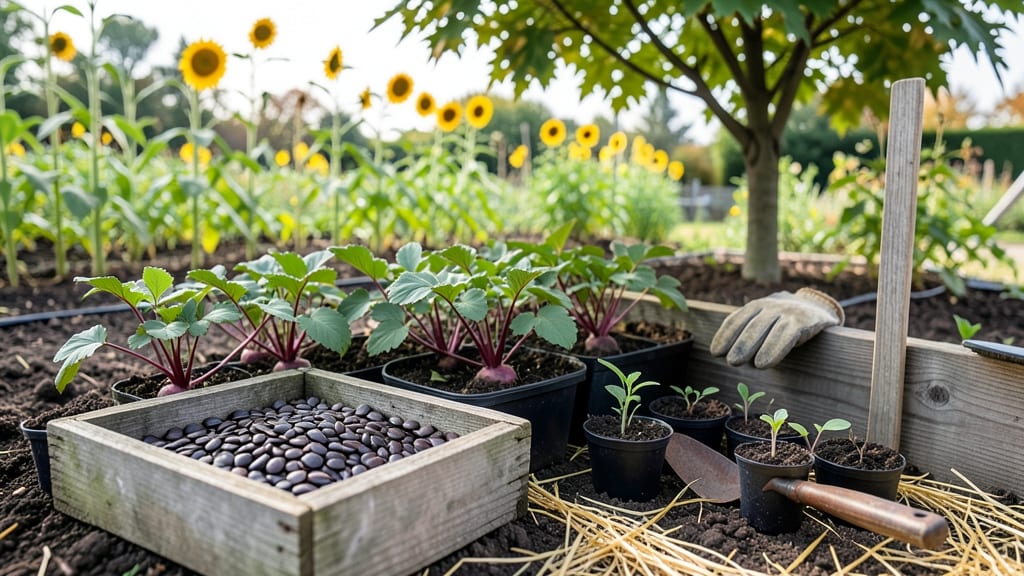
Timing your fall beet planting in Zone 7 (General) can make or break your harvest—get it wrong, and you’ll end up with tough, woody 🍠 instead of sweet, tender roots.
The key? Planting at just the right moment before the first frost hits, typically between mid-August and early October for Zone 7a-7b.
Most gardeners overlook how soil temperature and local microclimates (like coastal vs. inland areas) affect beet growth. In Zone 7, beets thrive when planted 8-10 weeks before the first frost, giving them enough time to mature before winter sets in.
But if you miss this window, you risk stunted growth or early bolting.
Don’t stress—this guide breaks down the exact weeks before frost to plant, plus soil prep tips and variety choices for maximum success. Whether you’re a seasoned gardener or a beginner, you’ll learn how to time your planting for a bountiful fall harvest.
Ready to grow beets that taste sweeter than store-bought? Let’s dive into the science-backed schedule that’ll keep your garden productive well into winter.
Optimal planting windows for fall beets in Zone 7 (with exact weeks before frost)
Getting your fall beet planting timed right in Zone 7 ensures sweet, tender roots instead of tough, woody vegetables. The key is planting at the right weeks before first frost, which varies based on your microclimate and variety.
In most of Zone 7, the first frost typically arrives between October 15 (7a) and November 1 (7b), so plan accordingly.
For a primary harvest, aim to plant beets 8-10 weeks before your first frost. This gives them enough time to mature before cold temperatures set in. For example, if your frost date is October 20, plant around mid-August.
This window works best for short-day varieties like Detroit Dark Red or Golden, which thrive in cooler fall temperatures.
📅 Fall Beet Planting Schedule for Zone 7
| Planting Window | Weeks Before First Frost | Recommended Varieties | Expected Harvest Timeframe | Frost Hardiness Notes |
|---|---|---|---|---|
| Mid-August to Early September | 8-10 weeks | Detroit Dark Red, Golden, Chioggia | Late September to October | Tolerates light frost; harvest before hard freeze |
| Late September to Early October | 4-6 weeks | Babybeat, Ruby Queen, Bull's Blood | October to November | Smaller varieties; harvest before ground freezes |
| Early October (for storage) | 2-4 weeks | Detroit Dark Red, Egyptian Flat | November (store in cool, dark place) | Hardier; store roots in sand or sawdust |
A secondary planting window exists for those who want a late fall harvest. Plant 4-6 weeks before frost (around late September in Zone 7) for smaller varieties like Babybeat or Ruby Queen.
These quick-maturing beets can be harvested before hard frosts hit, even if they don’t fully mature. This strategy works well for succession planting or extending your harvest into November.
If you’re growing beets for winter storage, plant in early October (2-4 weeks before frost). Varieties like Detroit Dark Red or Egyptian Flat store well when harvested before hard freezes.
Cure the roots for a few days in a cool, dry place before storing in sand or sawdust to prevent spoilage. This method lets you enjoy beets well into winter!
Zone 7’s microclimates can shift frost dates by 1-2 weeks. Coastal areas (like Zone 7b) may have later frosts, while inland regions (like Zone 7a) might freeze earlier. Check your local frost date averages and adjust planting by 1 week earlier if you’re in a colder microclimate.
Use a frost calendar or ask your local cooperative extension office for precise data.
For soil temperature, beets prefer 50-85°F. If your soil is still warm in late summer, wait until temperatures drop below 80°F to plant. Use a soil thermometer to monitor—beets struggle in heatwaves and may bolt or develop tough roots.
If your soil cools quickly, consider using black plastic mulch to retain warmth for a few extra weeks of growth.
Pro tip: Direct sow beets instead of transplanting. Beet seedlings hate root disturbance, and transplanted beets often grow woody or misshapen. Sow seeds ½ inch deep and 1 inch apart, thinning to 3-4 inches as they grow. This method ensures strong, healthy roots ready for fall harvests.
Timing your fall beet harvest is all about balance—plant too early, and you’ll deal with bolting or pest pressure; plant too late, and roots won’t mature before frost. Stick to the 8-10 week rule for primary harvests, and you’ll enjoy sweet, tender beets all fall long. 🍠
Optimal planting windows for fall beets in Zone 7 (with exact weeks before frost)
In Zone 7, the first frost typically arrives between mid-October (7a) and early November (7b), but exact dates vary by microclimate. For sweet, tender beets, aim to plant 8-10 weeks before frost—this means late July to early September for most of Zone 7.
However, late-summer heat can stress seedlings, so I recommend starting with transplants or direct sowing in August for a more reliable harvest.
If you miss the primary window, don’t panic! A secondary planting works 4-6 weeks before frost (early to mid-September). These late-season beets mature faster and tolerate cooler temps, though they may produce smaller roots.
For winter storage varieties, plant 6-8 weeks before frost to ensure roots develop enough insulation against freezing.
Here’s the science-backed breakdown of your planting windows in Zone 7, including variety recommendations and frost-hardiness tips to maximize success.
| Planting Window | Weeks Before First Frost | Recommended Varieties | Expected Harvest Timeframe | Frost Hardiness Notes |
|---|---|---|---|---|
| Late July - Early September | 8-10 weeks | Detroit Dark Red, Golden, Chioggia | October - November | Tolerates light frost; harvest before hard freeze |
| Early - Mid-September | 4-6 weeks | Babybeat, Early Wonder | Late October - Early November | Smaller roots; prioritize quick harvest |
| Mid-August (for storage) | 6-8 weeks | Boltardy, Ruby Queen | November - December (stored) | Cold-hardy; store in sand or root cellar |
Microclimates matter! Coastal areas in Zone 7 (like North Carolina’s Outer Banks) may have later frosts (November), while inland regions (like Tennessee) could see frost as early as mid-October. Check your local frost date averages and adjust planting by 1-2 weeks if needed. For example, if your frost date is October 20, plant late August for a primary crop or early September for a secondary harvest.
Pro tip: Soil temperature should be at least 50°F (10°C) for germination. Use a soil thermometer to confirm—cool soil delays sprouting and leads to uneven growth. If your soil runs cold, warm it with black plastic mulch for 1-2 weeks before planting.
Timing isn’t just about frost—it’s also about avoiding bolting (flowering too early). Long-day varieties (like Detroit Dark Red) bolt faster in late summer heat, so shade cloth or succession planting (staggered sowings every 2 weeks) keeps a steady supply of tender beets through fall.