
Plants
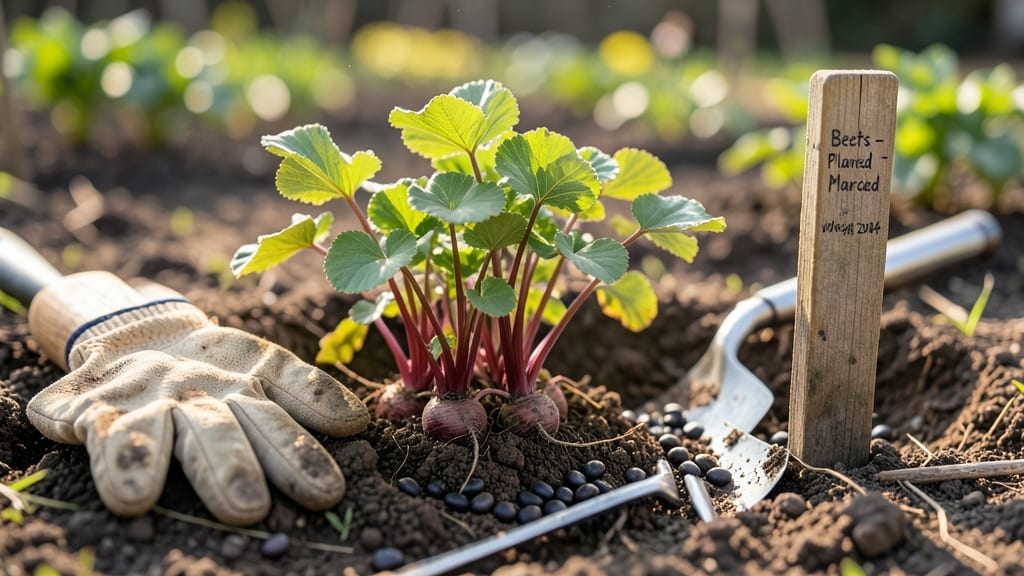
Timing your beet 🍠 planting in Nebraska isn’t just about throwing seeds in the dirt—it’s the difference between a bumper crop of sweet, tender roots and a bitter disappointment.
With frost dates that shift unpredictably and soil that warms slower than most gardeners expect, getting the schedule right is the key to avoiding bolting and stunted growth.
Most gardeners in USDA zones 5a-6b reach for their beet seeds in early spring, but Nebraska’s March-April window demands precision. Plant too early, and frost will nip your seedlings; too late, and your beets might bolt before you even taste that first harvest.
The secret? Understanding your local microclimate and soil temperature cues.
In this guide, I’ll break down the exact planting windows—from early spring to late summer—that work for Nebraska’s varied regions. You’ll learn how to adjust for Omaha’s urban heat islands, Lincoln’s cooler plains, and even rural areas where frost lingers longer.
No more guessing games—just science-backed timing to ensure your beets thrive from June through November.
Ready to ditch the trial-and-error? Let’s dive into the most efficient way to plant beets so you can enjoy a harvest that’s both abundant and delicious—without the stress.
Best planting windows for beets in Nebraska: frost dates & soil temperature rules
Nebraska’s USDA zones 5a-7a create unique challenges for beet growers. Unlike heat-loving crops, beets thrive in cool soil temperatures (45-85°F), but Nebraska’s late frosts and temperature swings can ruin your harvest if you plant too early or late.
The key is timing your plantings to align with soil warmth and frost-free periods—not just air temperature.
Most Nebraska gardeners succeed with two planting windows: early spring (March-April) and late summer (July-August). Spring plantings give you harvests by summer, while summer plantings extend your season into fall.
But here’s the catch: planting too early risks frost damage, while planting too late triggers bolting (flowering) before you harvest.
For spring plantings, aim to sow seeds 4-6 weeks before your last frost date. In Nebraska, this typically means mid-March to early April in the eastern half (Omaha, Lincoln) and late March to mid-April in western regions (Kearney, Scottsbluff).
Use a soil thermometer to confirm temperatures are above 45°F—beets won’t germinate in cold soil.
For summer/fall plantings, wait until July 15-August 15 to avoid bolting from Nebraska’s hot summer days. This second window lets you harvest beets in October-November, just before the first frost. Succession planting every 2-3 weeks ensures a continuous supply.
Nebraska’s microclimates complicate timing. For example, Omaha’s urban heat island can delay frost by 1-2 weeks compared to rural areas. Check your local frost dates via the Nebraska State Climate Office or UNL Extension for precise guidance.
Their data shows eastern Nebraska’s last frost averages April 15, while western areas may see frost until May 1.
To test soil readiness, press your finger 1 inch deep—if the soil feels cool but workable, it’s safe to plant. Avoid planting when soil is waterlogged or frozen, as beets won’t germinate.
If early spring soil stays too cold, try seedling transplants (start indoors in February) for a head start.
For fall harvests, prioritize heat-tolerant varieties like ‘Cylindra’ or ‘Chioggia’. These handle Nebraska’s 90°F+ days better than traditional types. Mulch with straw or black plastic to stabilize soil temps and retain moisture during summer’s dry spells.
Remember: bolting (premature flowering) is your biggest enemy in Nebraska’s climate. Beets bolt when days get too long or hot. By following these soil temp and frost rules, you’ll avoid bitter, stringy beets and enjoy sweet, tender harvests all season.
How to adjust planting for Nebraska’s microclimates: urban vs. rural timing differences
Nebraska’s geography creates microclimates that can shift your beet planting window by weeks—especially between urban heat islands like Omaha and the cooler western plains. These differences mean your neighbor’s perfect timing might not work for your garden.
Understanding these variations helps you avoid bolting in warm pockets or frost damage in colder zones.
For example, Omaha’s urban heat island effect can delay the last spring frost by 7–10 days compared to rural areas. Meanwhile, western Nebraska—like Kearney or Scottsbluff—often sees frost 2 weeks earlier due to colder nights.
Even within cities, south-facing gardens warm up faster than north-facing beds, creating micro-zones where beets thrive at different times.
🌱
| Region | Last Frost Date | First Frost Date | Best Planting Window | Key Adjustment |
|---|---|---|---|---|
| Omaha (Urban) | April 22 | October 22 | March 15–April 15 | Plant 1 week later than rural areas; use shade cloth in May heat waves. |
| Lincoln (Suburban) | April 18 | October 18 | March 1–April 10 | Monitor soil temps—wait until 50°F consistently. |
| Western NE (Kearney/Scottsbluff) | April 5 | October 5 | March 1–March 25 | Start indoors in February or use row covers for early spring. |
| Eastern NE (Norfolk) | April 10 | October 10 | March 15–April 5 | Prioritize well-drained soil—sandy soils warm faster. |
If you’re in a rural area, consider starting seeds indoors 4–6 weeks before your average last frost date. For Omaha gardeners, focus on late March to early April plantings, but be ready to protect seedlings with frost cloth if nights dip below 40°F.
In western Nebraska, where frost lingers later, opt for cold-hardy varieties like ‘Boltardy’ or ‘Pablo’ to extend your window.
For urban gardeners, leverage microclimates to your advantage. South-facing walls or raised beds absorb heat, letting you plant 2 weeks earlier than north-facing spots. Use a soil thermometer to confirm 50°F+ soil temps—this is your green light to sow seeds.
In Lincoln or Bellevue, where temperatures fluctuate wildly, stagger plantings every 10–14 days for a continuous harvest.
Pro tip: Check the Nebraska State Climate Office or UNL Extension for your local frost date averages—these can vary by 5–10 days even within the same city. Adjust your succession planting schedule accordingly to avoid gaps in your harvest.
☀️