
Trees
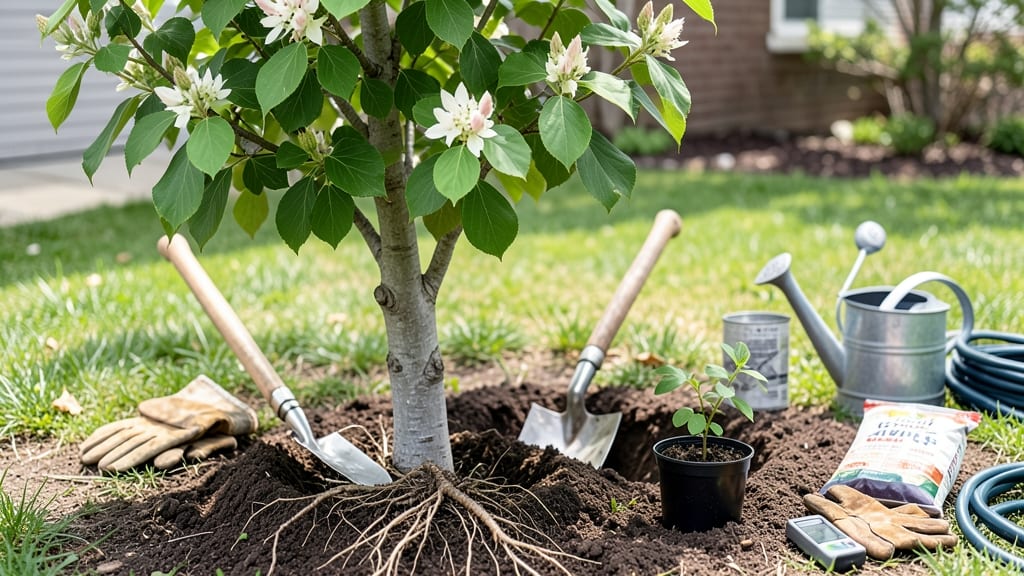
Timing your dogwood tree planting in North Carolina can make or break that showstopping spring bloom you're dreaming of. The perfect window—late fall to early spring—aligns with the tree's natural dormancy, giving roots time to establish before the heat arrives.
Here's the catch: NC's 6a-8b zones create microclimates where coastal areas have milder winters than the Piedmont. Planting too early risks frost damage, while waiting too long may stress young roots.
I'll break down exactly when to dig in your specific region, plus how to prep soil and choose the right variety for flourishing growth.
Whether you're transplanting bare-root saplings or container-grown specimens, understanding your local frost dates is non-negotiable. We'll cover everything from soil moisture needs to avoiding common pitfalls that turn hopeful plantings into sad statistics.
Ready to give your dogwood the best start? Let's get into the step-by-step schedule that'll have your tree thriving for decades—because once those white blooms appear, you'll know you did everything right.
North Carolina chill-hour Zones for dogwood trees: what you must know
North Carolina spans USDA Hardiness Zones 7a through 8b, creating distinct chill-hour requirements for dogwood trees. These chill hours (32°F to 45°F) are critical for triggering spring blooms. Most dogwoods need 400-800 chill hours, with Cornus florida (flowering dogwood) thriving in Zones 5-9.
If you're in Zone 8a or warmer, choose varieties like Pacific dogwood, which need fewer chill hours.
To find your exact zone, use the USDA Plant Hardiness Zone Map or check local extension office data. For example, Asheville (Zone 7a) gets ~700 chill hours, while Wilmington (Zone 8a) averages ~400.
Planting outside these ranges risks poor flowering or dieback. Always match your dogwood variety to your local chill-hour total for best results.
Chill hours aren’t just about survival—they determine bloom quality. Trees in Zone 7b (e.g., Raleigh) may produce fewer flowers if they don’t get enough cold exposure. Conversely, Zone 8b (e.g., Charlotte) can struggle with traditional flowering dogwoods unless you select low-chill varieties like ‘Cherokee Brave’ or ‘Cherokee Princess’.
🌱
| NC Region | USDA Zone | Avg. Chill Hours | Best Dogwood Varieties |
|---|---|---|---|
| Mountains (e.g., Asheville) | 7a-7b | 600-800 | Cornus florida ‘Cherokee Chief’, ‘Cloud 9’ |
| Piedmont (e.g., Raleigh) | 7b-8a | 400-600 | Cornus florida ‘Cherokee Brave’, ‘Rubra’ |
| Coastal (e.g., Wilmington) | 8a-8b | 300-400 | Pacific dogwood, Cornus kousa ‘Miss Satomi’ |
🌿 Pro Tip: Use a chill-hour calculator (e.g., from your local Cooperative Extension) for precise local data.
If you’re unsure about your chill hours, observe nearby dogwoods. Trees with minimal blooms likely lack sufficient cold exposure. For Zone 8b gardeners, consider Kousa dogwood (Cornus kousa), which blooms reliably with 300-400 chill hours. This variety also handles heat better than traditional flowering dogwoods.
Timing your planting to align with chill-hour accumulation is key. Plant in late fall (November) or early spring (March) to give roots time to establish before the next dormant season. Avoid planting in summer or early fall, as young roots may not harden off before frost.
Soil temperature also plays a role. Dogwood roots prefer soil temps between 40°F and 60°F for optimal root growth. Use a soil thermometer to monitor conditions, especially if planting in March. Warmer soils speed up growth but can stress roots if too hot.
🌡️
For container-grown dogwoods, chill-hour requirements are slightly less critical, but you’ll still need to acclimate trees gradually if moving from a nursery in a warmer zone.
Harden off containers by placing them outdoors during the day for 1-2 weeks before permanent planting. This mimics natural chill exposure and reduces transplant shock.
Remember: Chill hours + frost-free dates determine your planting window. In Zone 7a, aim for November 1–December 15; in Zone 8b, stretch to January–March.
Always check local frost dates (e.g., Asheville’s last frost is March 15, while Wilmington’s is February 15) to avoid early-season freezes.
📅
Optimal planting windows by NC region: frost-free deadlines & soil prep
North Carolina’s three distinct regions—Coastal, Piedmont, and Mountains—each have unique frost-free deadlines that dictate the best time to plant your dogwood tree. Miss these windows, and you risk frost damage or heat stress on young roots.
Let’s break down the exact planting schedules for each region, so you can align your efforts with nature’s rhythm.
In the Coastal Plain (Zones 7b-8a), where winters are mild, your planting window stretches from November through March. The last frost typically occurs around mid-March, giving you plenty of time to get your dogwood in the ground before summer heat arrives.
This region’s longer frost-free season means you can even plant as late as early April without major risks.
For the Piedmont (Zones 7a-7b), where winters are cooler, aim to plant between late November and early March. Frost can linger until mid-April, so avoid planting after that.
The Mountains (Zones 6a-7a) have the shortest window—late October to early February—due to earlier frosts and colder temperatures. Planting too late here risks exposing your sapling to harsh winter winds.
🌳 NC Region Planting Guide
- 🌊 Coastal Plain (Zones 7b-8a): Plant November-March; last frost mid-March. Ideal for Pacific dogwoods that thrive in warmth.
- 🏞️ Piedmont (Zones 7a-7b): Plant late November-early March; last frost mid-April. Perfect for Flowering dogwoods with moderate chill needs.
- ⛰️ Mountains (Zones 6a-7a): Plant late October-early February; last frost late April. Best for Cornelian dogwoods that handle colder climates.
Soil preparation is just as critical as timing. Dogwoods prefer well-draining, slightly acidic soil (pH 4.5-6.0). Before planting, amend your soil with compost or peat moss to improve drainage and fertility. If your soil is heavy clay, mix in sand or pine bark fines to prevent root rot.
A mulch layer (2-3 inches) of pine straw or shredded bark will help retain moisture and regulate soil temperature.
One common mistake is planting too early in colder regions. If you plant in early fall (September-October), young roots may not establish before winter, leaving your tree vulnerable to frost heave.
Conversely, planting too late—after March in the Piedmont or April in the Mountains—can stress the tree as summer heat arrives. Stick to the dormant season for the best results.
Pro tip: If you’re planting a bare-root dogwood, do it as soon as possible after purchase—roots dry out quickly. For container-grown trees, the soil ball helps retain moisture, giving you a slightly longer window (up to early April in Coastal NC).
Always water deeply after planting to eliminate air pockets and encourage root contact with soil.
With the right timing and soil prep, your dogwood will establish strong roots and reward you with vibrant spring blooms for decades. Now that you know the ideal windows, it’s time to pick the perfect variety for your NC zone—let’s dive into that next!